Newsroom
Robinhood Chain Surpasses Ethereum in Daily DEX Volume
14 July, 2026 / News / AI / 998 reads / Tags: robinhood, ethereum, chain, arbitrum, uniswap
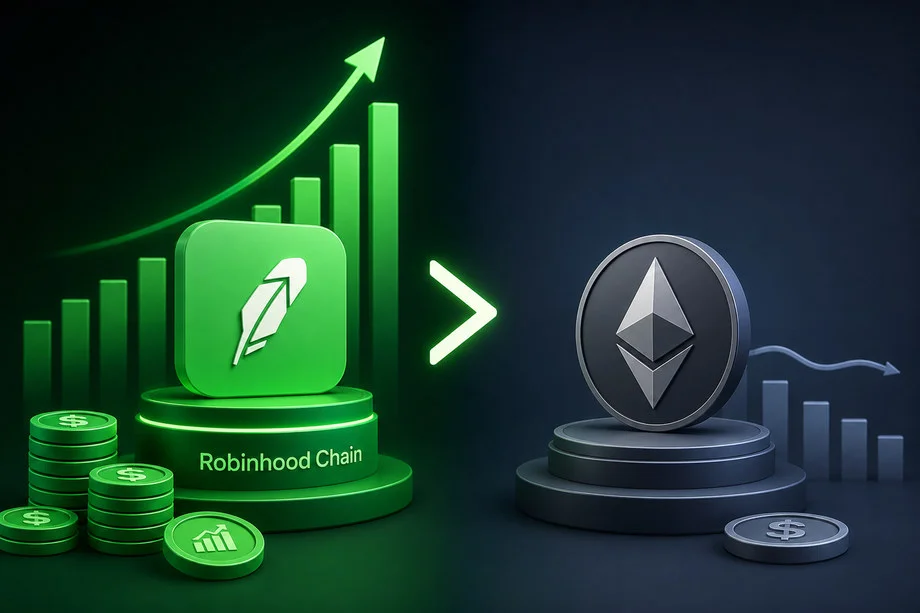
Robinhood Chain has recorded higher daily decentralized exchange trading volume than Ethereum shortly after launch, drawing attention to its rapid user activity and fee generation patterns
Rapid Growth in Trading Activity
Robinhood Chain launched its mainnet on July 1 as an Ethereum Layer 2 solution built on Arbitrum technology. Within days, on-chain data showed the network processing around $877 million in 24-hour DEX volume, exceeding Ethereum's approximately $776 million during the same period.
This performance placed Robinhood Chain among the leading networks by DEX activity, ranking third behind Solana and BNB Smart Chain according to available metrics. The surge stemmed largely from active trading on connected platforms like Uniswap, which saw its own daily volume reach record levels exceeding $2 billion.
- Over 7.6 million transactions processed in a single day
- More than $3.1 billion in total DEX volume across the first week
- Bridged Ether reaching $70 million and beyond
- Total value locked climbing to $100 million shortly after launch
User Fees and Revenue Distribution
Data indicated that users on Robinhood Chain paid roughly $843,000 in fees over a recent period. Of this amount, only about $1,600 flowed to the Ethereum mainnet for data availability and settlement services.
Analyst Lorenzo Valente noted an earlier snapshot with $816,000 in revenue, where Robinhood retained the majority share, Arbitrum received around 10 percent, and Ethereum captured approximately 0.15 percent. Valente described the figures as a clear example of Layer 2 economics.
| Entity | Approximate Fees ($) | Share (%) |
|---|---|---|
| Robinhood Chain | 843,000 | 89 |
| Arbitrum | 94,000 | 10 |
| Ethereum | 1,600 | 0.15 |
Robinhood Chain covers gas fees for users in some cases, contributing to high transaction counts and swap activity. Arbitrum technology handles transaction posting to Ethereum, with protocol revenue allocation supporting the Arbitrum DAO treasury and developer programs.
Meme Coins Drive Initial Momentum
While designed for tokenized assets and DeFi, the network saw substantial early activity from meme coins. CASHCAT emerged as a leading token with hundreds of millions in trading volume, connected to community narratives around the platform's branding.
This pattern aligned with broader trends where new chains attract retail traders through community-driven tokens before other applications mature. Uniswap volumes benefited directly from the increased liquidity and swaps on Robinhood Chain.
Quotes from Notable Figures
Broader Adoption and Tokenized Assets
Robinhood Chain supports tokenized stock trading through its wallet in over 120 countries, enabling 24/7 access and integration with DeFi protocols. Partners including Uniswap, Chainlink, and Morpho provided infrastructure at launch.
More than 65,000 users engaged with the network in the initial period, holding significant stablecoin and tokenized stock positions. Analysts from firms such as Bernstein and market participants including Tom Lee and Mike Novogratz noted the potential for bringing traditional investors into on-chain environments.
Activity included lending products and incentive programs that supplied liquidity. Daily transaction volumes and user counts showed the chain closing gaps with established Layer 2 networks like Base.
Sustained Activity Factors
Zero or low gas fees, fast processing, and permissionless access contributed to the quick rise in participation. Meme coin launches proliferated due to these conditions, while tokenized asset features offered pathways for expanded use cases.
The network demonstrated how Layer 2 solutions can generate substantial on-chain volume, though long-term retention depends on continued developer interest and user engagement across different applications.
- Outperformed Ethereum in 24-hour DEX volume within two weeks
- Significant boost to Uniswap market position
- Strong initial bridged assets and TVL growth
- Community-driven trading as primary early driver

Disclaimer
This article was generated by AI using information from multiple industry sources. It has not been reviewed or verified by a human editor and may contain inaccuracies, omissions, or misinformation. Readers are encouraged to independently verify any information before making decisions based on its content.Associated articles
Robinhood Chain Records Strong First Week With Over $70M ETH Bridged
Robinhood Chain Posts $2.66 Million in Daily App Revenue, Surpassing Ethereum and Hyperliquid

Robinhood Chain Surges Past Base With Record Daily Transactions
Robinhood Chain DEX Volume Hits Record $560 Million

Cash Cat Coin Hits New All-Time High After Solana Expansion
Latest articles

Bitcoin Rally Revives Miners and Corporate Treasuries as AI Focus Fades

BNB Chain Leads NFT Sales as Weekly Volume Jumps 55.6% to $75.5 Million

SEC Approves Nasdaq Texas Rule Change Listing Bitcoin, Ethereum, XRP and Solana as Digital Commodities

Anthropic Prepares Mid-October IPO Push Targeting Near $2 Trillion Valuation