Newsroom
Bolivia Considers USDT Integration Into National Payment System
14 July, 2026 / News / AI / Tags: bolivia, espinoza, usdt, gabriel, banco
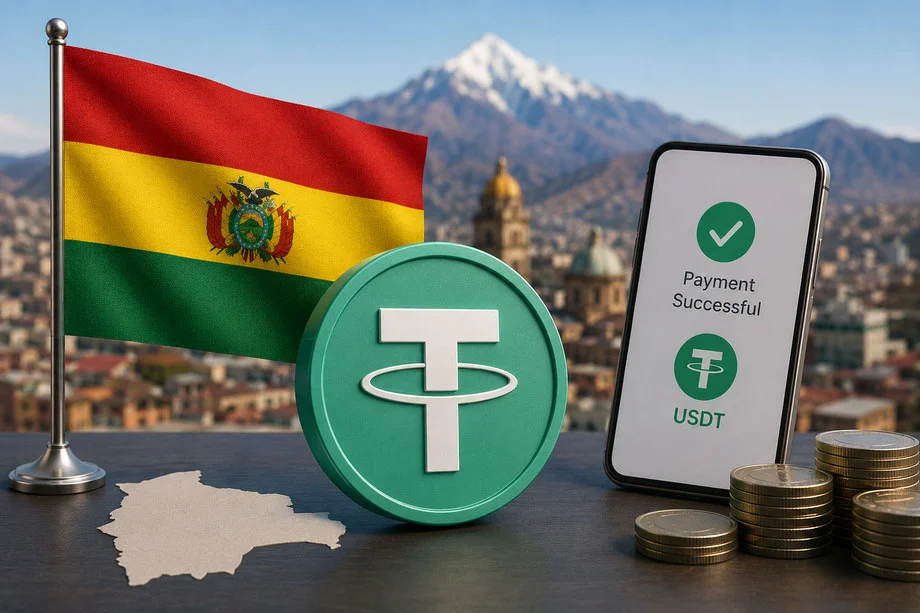
Bolivia is evaluating the use of Tether's USDT stablecoin alongside the boliviano and US dollar in its payment infrastructure amid ongoing dollar shortages
Government Review of Stablecoin Role
Economy and Public Finance Minister Jose Gabriel Espinoza stated that officials are conducting a technical assessment of how USDT could function within the country's financial setup. The review focuses on its potential application in transactions, savings, and payments similar to traditional currencies.
- USDT considered for formal circulation in the national system
- Evaluation follows the 2024 lift of cryptocurrency restrictions
- Local banks have started providing related services
Economic Pressures Driving Change
Bolivia has faced challenges with US dollar availability due to reduced natural gas exports. The government ended a long-standing fixed exchange rate, which contributed to differences between official and market rates. These conditions increased interest in dollar-pegged options for daily use.
Merchants have begun accepting USDT for common purchases such as food items. State energy company YPFB received approval earlier to use cryptocurrency for certain imports. Banks including Banco Unión, Banco FIE, and Banco Bisa now offer services tied to the stablecoin.
Crypto Activity Growth
Following the removal of prior restrictions, cryptocurrency transaction volumes rose substantially. Data indicates over $14.8 billion in activity during a 12-month period, placing Bolivia eighth in the Latin American region according to Chainalysis reports. One analysis noted a 630 percent increase in certain six-month comparisons.
| Period | Transaction Volume |
|---|---|
| July 2024 - June 2025 | $14.8 billion |
| H1 2024 (pre-lift comparison) | Lower baseline |
Regulatory Considerations
Bolivia remains on the Financial Action Task Force grey list, requiring attention to anti-money laundering standards. Espinoza noted the need for proper oversight to address potential risks while accommodating existing user practices. No final framework or legislation has been implemented yet.
Broader Context for Stablecoins
Tether CEO Paolo Ardoino has observed USDT's role in various emerging economies. The stablecoin maintains a large market position with reserves subject to ongoing audits. Local infrastructure developments, such as wallet integrations and bank offerings, provide a base for potential wider use.
- Dollar-pegged stability during currency pressures
- Support for remittances and trade settlements
- Existing merchant and bank acceptance in Bolivia
Disclaimer
This article was generated by AI using information from multiple industry sources. It has not been reviewed or verified by a human editor and may contain inaccuracies, omissions, or misinformation. Readers are encouraged to independently verify any information before making decisions based on its content.Tired of the noise?
Let the bots trade for you.
Trade 24/7, without emotion, with data-driven strategies.
Associated articles

IMF Examines Stablecoins in Fixed Exchange Rate Systems

BIS Warns $316 Billion Stablecoin Market Threatens Global Monetary System

IMF Warns Stablecoins Undermine Nigeria’s Monetary Control Amid Surging Adoption

MoneyGram Rolls Out Stablecoin-Backed Visa Card Starting in Colombia

Toyosa Begins Accepting Bitcoin for Toyota Vehicle Purchases in Bolivia
Latest articles
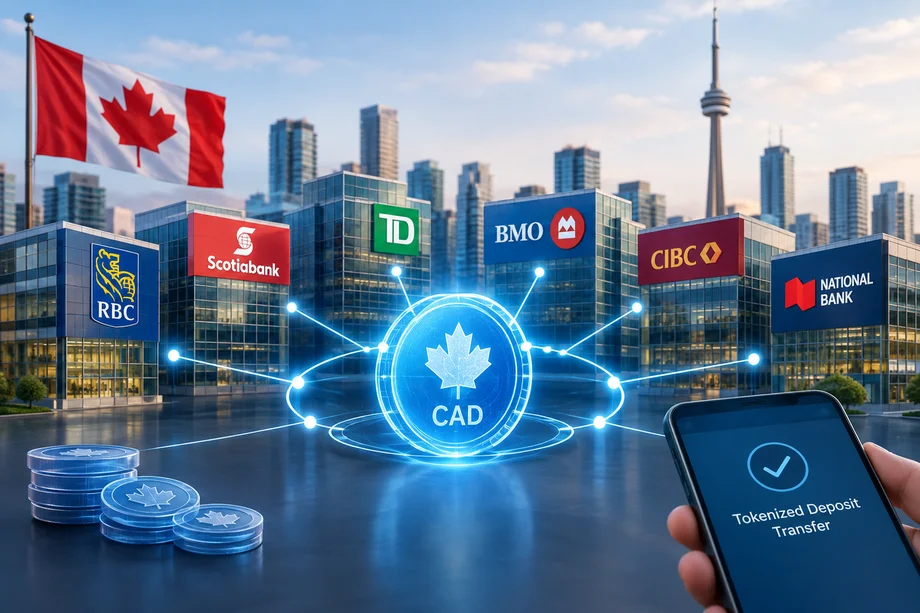
Canada’s Big Six Banks Launch Pilot for Shared Tokenized CAD Deposits

Arthur Hayes Warns of $1.54 Trillion Insurance Gap Tied to AI Debt, Sees Path to Bitcoin Gains
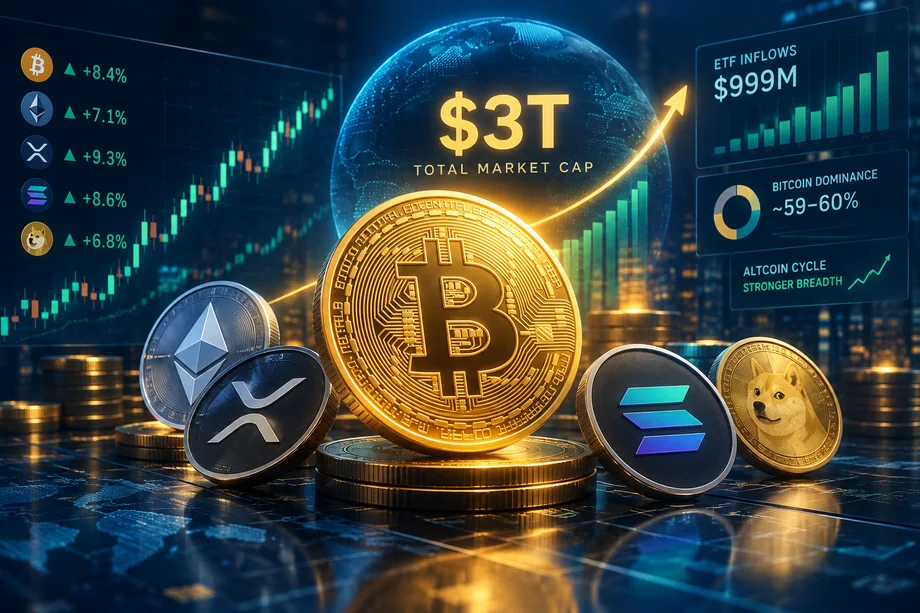
Crypto Market Cap Climbs Back Above $3 Trillion as Bitcoin Nears $87,000

Coinbase Rolls Out Fixed-Rate Bitcoin-Backed USDC Loans via Morpho Midnight