Newsroom
Farage Faces Parliamentary Probe Over Crypto Lobbying Claims
4 July, 2026 / News / AI / 431 reads / Tags: farage, lobbying, england, harborne, donations
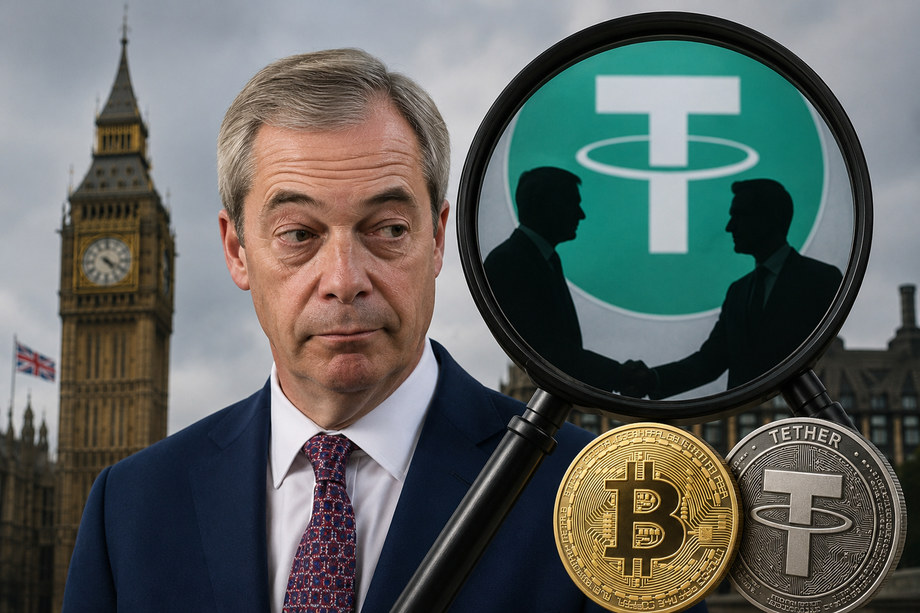
A formal complaint accuses Reform UK leader Nigel Farage of breaching UK rules by lobbying the Bank of England on cryptocurrency policy after receiving major donations from a Tether investor
Background of the Complaint
Labour MP Phil Brickell filed a complaint on July 2 with Parliamentary Commissioner for Standards Daniel Greenberg. The complaint centers on a private meeting Farage held with Bank of England Governor Andrew Bailey in September 2025. During that session, Farage reportedly pushed against plans for a UK central bank digital currency, known as the digital pound.
Brickell cited parliamentary guidance that bars MPs from approaching officials on behalf of recent financial benefactors for 12 months after receiving payments. The rule aims to prevent conflicts in how public policy develops.
- Pre-2024 election: Farage received a £5 million personal gift from Christopher Harborne.
- January 2025: Additional £25,000 donation from Harborne.
- September 2025: Meeting with Bank of England Governor Andrew Bailey.
- Recent months: Bank of England adjusted stablecoin holding proposals.
Donor Connections and Financial Details
Christopher Harborne, a Thailand-based billionaire with a reported 12% stake in Tether, the issuer of USDT stablecoin, provided substantial support. In addition to the £5 million gift, Harborne contributed around £15 million to Reform UK and funded specific trips for Farage totaling £50,000 across two payments.
Daniel Greenberg is already examining whether the £5 million gift required declaration. Farage has described the payment as unconditional with no strings attached. Both Farage and Harborne deny any link between the funds and policy actions.
| Type | Amount | Details |
|---|---|---|
| Personal Gift | £5 million | To Farage, under separate review |
| Party Donations | £15 million | To Reform UK |
| Travel Support | 2 x £25,000 | For specific international trips |
The Lobbying Allegations
According to the complaint, Farage's actions in the meeting and subsequent public statements raised questions about potential benefits to Harborne's interests in stablecoins. Farage later claimed credit for influencing the Bank of England to ease certain restrictions, including dropping a proposed £20,000 individual holding cap on stablecoins in favor of a higher limit.
Labour MP Joe Powell also wrote to Governor Bailey seeking full details of the September meeting, stressing that financial system decisions must serve public interest without private influence.
Response from Involved Parties
Reform UK has rejected the claims as unfounded. The Bank of England described the meeting as a standard engagement with political figures and noted differing views on digital currency plans but released no detailed minutes. Farage maintains his advocacy on crypto matters stems from broader policy positions, including support for Bitcoin reserves and adjusted tax treatment for digital assets.
Broader Context in UK Politics and Crypto Policy
The case tests the 12-month lobbying restriction, updated in 2023 from a previous six-month period. It follows other developments, such as UK moves to ban crypto donations in certain political contexts and ongoing work on stablecoin regulations.
Farage has expanded his personal involvement in crypto, including a reported £2 million Bitcoin purchase earlier this year. The situation draws attention to how political figures engage with emerging financial technologies amid existing transparency requirements.
Greenberg has not yet confirmed a full inquiry into the lobbying aspect, and no findings of wrongdoing exist at this stage. Potential outcomes could range from no action to various sanctions if rules are deemed breached.
- Timing between donations and the Bank of England meeting.
- Whether actions provided material benefit to the donor.
- Declaration requirements for the large personal gift.
Disclaimer
This article was generated by AI using information from multiple industry sources. It has not been reviewed or verified by a human editor and may contain inaccuracies, omissions, or misinformation. Readers are encouraged to independently verify any information before making decisions based on its content.Associated articles
Nigel Farage Faces Parliamentary Probe Over £5M Gift from Crypto Billionaire
Nigel Farage Faces Scrutiny Over Gifts From Crypto-Linked Fraudster
UK Standards Probe Resumes into Farage Crypto-Linked Gifts After Clacton Win
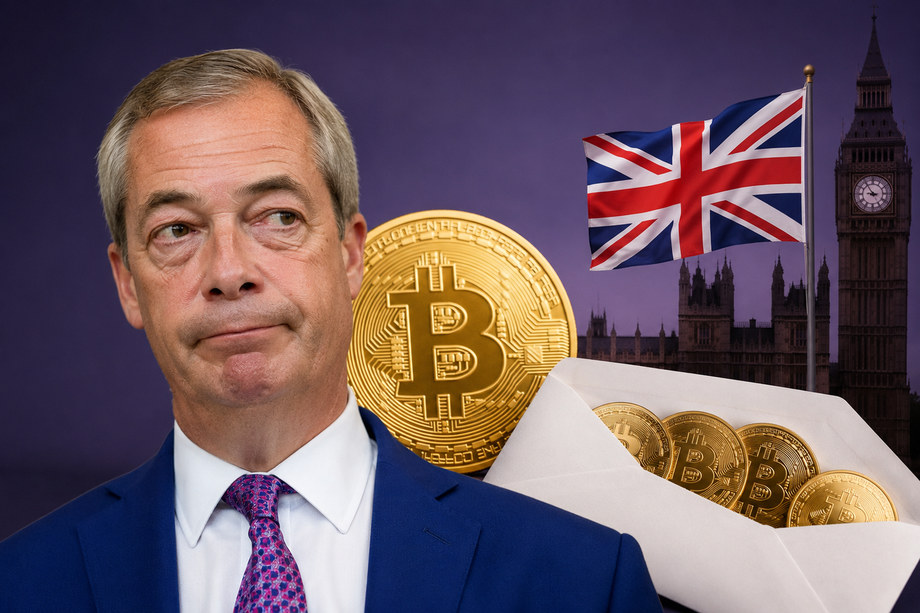
Nigel Farage Resigns as MP Over Crypto Gifts, Sets By-Election
UK Parliament Launches Inquiry Into Banking Barriers for Crypto Sector
Latest articles

Study Finds Nearly Two-Thirds of Amazon Religious Books Likely Written by AI

Nvidia Lifts AI Server Prices Over 15% Amid Memory Cost Surge
Zondacrypto Exchange Shuts Down as Leaders Go Missing and Users Lose Fund Access

SpaceX Shares End Week Lower Amid Analyst Optimism on Revenue Surge and Caution on Mobile Plans