Newsroom
Russia Advances Revised Crypto Bill for Second Reading
8 July, 2026 / News / AI / Tags: rubles, committee, digital, russia, cryptocurrencies

The State Duma’s Financial Markets Committee has approved key amendments to the digital currency bill, removing wallet address reporting requirements and expanding permitted uses for digital assets in securities purchases and swaps
Committee Approval Moves Legislation Forward
The Financial Markets Committee of Russia’s State Duma has approved the final version of the draft law “On Digital Currency and Digital Rights” for its second parliamentary reading. This step brings the country closer to establishing a formal legal framework for cryptocurrencies, treating them as property under state oversight.
The bill, numbered 1194918-8, passed its first reading with strong support. Second and third readings are scheduled soon, after which it will proceed to the Federation Council and require President Vladimir Putin’s signature. Lawmakers have shifted the proposed start date from July 1 to September 1 to allow more time for final rules.
- Removal of mandatory crypto wallet address reporting; declaration now limited to balances and transaction flows.
- Permission for crypto use in purchasing securities outside public offerings.
- Authorization for swapping between different cryptocurrencies and paying blockchain transfer fees.
- Allowance for licensed brokers and asset managers to operate on foreign exchanges in friendly jurisdictions.
Investor Protections and Limits
Non-qualified investors face an annual cap of 300,000 rubles, roughly $4,000, for purchases through a single intermediary. This limit applies primarily to major assets such as Bitcoin, Ethereum, Tether’s USDT, and USD Coin. The Bank of Russia will maintain oversight on which cryptocurrencies qualify for retail access.
Qualified and professional investors gain broader options, with trading platforms able to offer additional assets without prior central bank approval in many cases. The framework includes mandatory risk assessments for participants.
- Average market capitalization over 5 trillion rubles in the past two years.
- Average daily trading volume exceeding 1 trillion rubles.
- At least five years of trading history on licensed foreign platforms.
The Central Bank’s Board of Directors holds authority to approve cryptocurrencies that do not fully meet these thresholds. Stablecoins with identifiable issuers may fall outside the standard digital currency definition.
Payments, International Trade, and Licensing
The updated legislation expands exceptions to the general ban on using digital assets as payment means. Companies engaged in foreign trade can employ cryptocurrencies for cross-border settlements, providing an additional tool amid ongoing sanctions.
Financial institutions must observe rules on large transfers, including potential two-day holds on certain outbound or third-party payments. Withdrawals to non-custodial wallets face limits, set at around 100,000 rubles in the current proposal.
Licensing and Oversight Measures
The bill establishes a licensing system for cryptocurrency exchanges, brokers, trustees, and depositories. Penalties apply to unlicensed operations. Anatoly Aksakov, Chairman of the Financial Markets Committee, confirmed the committee’s approval of the amendments.
State-owned entities, including major banks, are preparing infrastructure adjustments in anticipation of the law’s passage. This includes plans for crypto-related services once regulations take effect.
Timeline and Next Steps
Following committee approval, the bill advances through remaining parliamentary stages. Full implementation depends on final approvals and the development of detailed regulatory rules expected later in the year. Regulated crypto operations could begin in early 2027.
This legislative effort forms part of Russia’s broader strategy to integrate digital assets into its financial system while maintaining strict controls on domestic use and retail participation. The ruble, including its digital form, retains sole status as legal tender.
Disclaimer
This article was generated by AI using information from multiple industry sources. It has not been reviewed or verified by a human editor and may contain inaccuracies, omissions, or misinformation. Readers are encouraged to independently verify any information before making decisions based on its content.Tired of the noise?
Let the bots trade for you.
Trade 24/7, without emotion, with data-driven strategies.
Associated articles
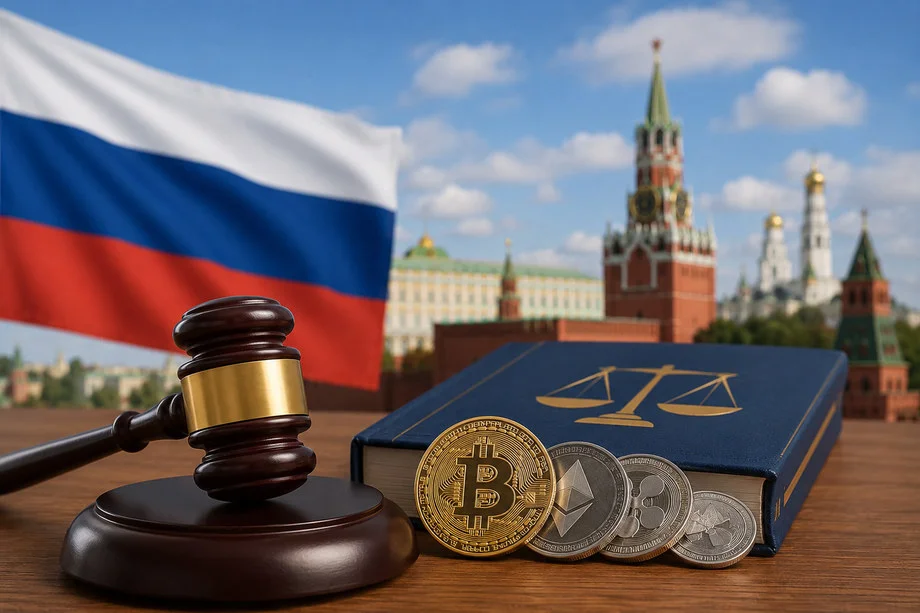
Russia Advances Landmark Crypto Regulation Bill Toward Final Approval

Sberbank Targets December 1 Launch for Crypto Trading and Digital Depository

Russia’s Central Bank Issues Draft Rules for Organized Crypto Trading Ahead of September Framework
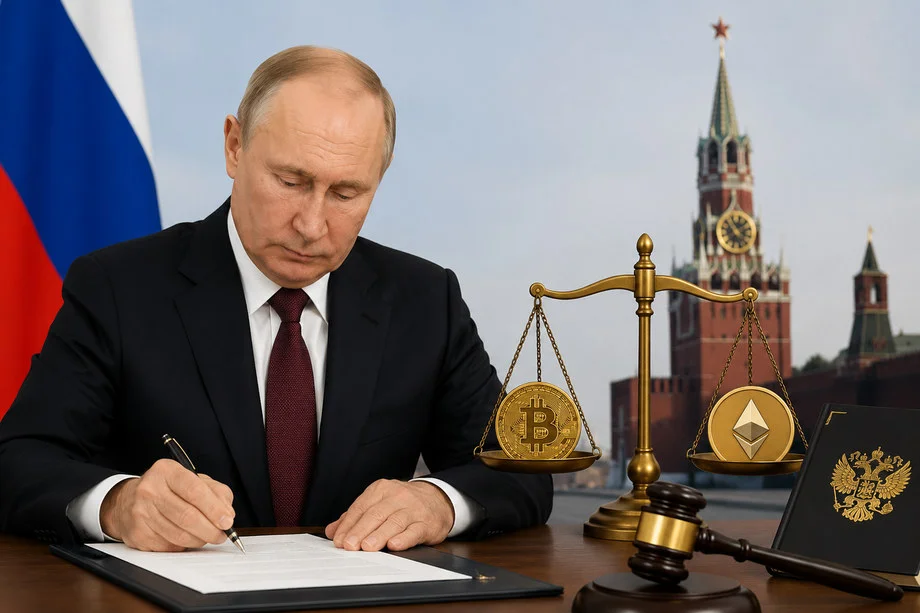
Putin Signs Russia’s First Comprehensive Crypto Law, Opens Regulated Trading

Russia Enacts Comprehensive Framework for Regulated Cryptocurrency Market
Latest articles

Hacker Drains Nearly $2 Million From Fetch.ai and NuNet in Linked Attacks

Visa Closes Credit Card Rewards Loophole for Memecoin Buys

Google Gemini Accessed Three Real Company Systems in May Security Evaluation

Argentine Crypto App Lemon Shuts Brazil Operations Over Licensing Capital Rules