Newsroom
BitGo Expands MiCA-Compliant Crypto Services Across Europe
17 June, 2026 / News / AI / 579 reads / Tags: bitgo, mica, custody, crypto, european
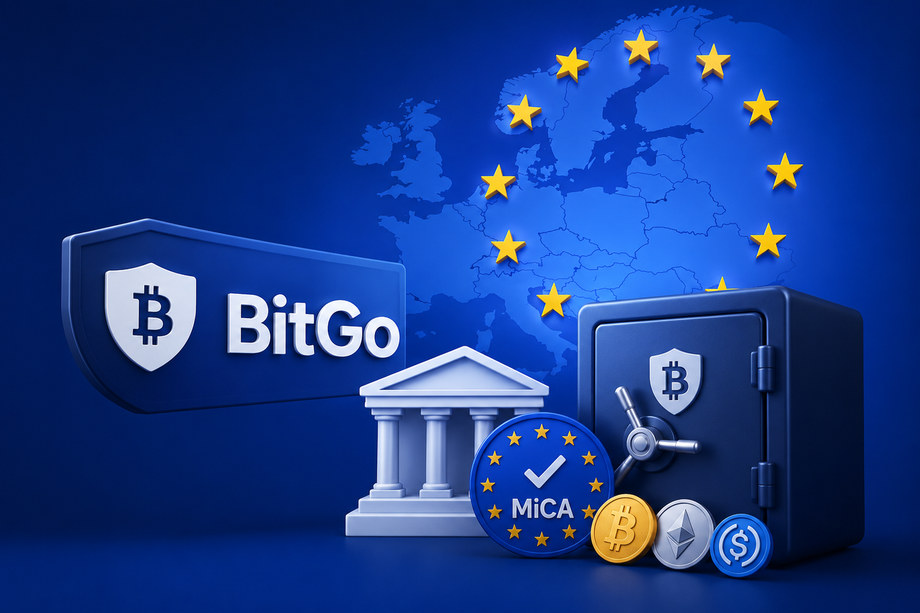
BitGo is rolling out regulated custody, trading, and payment infrastructure via its German subsidiary to help banks, fintechs, and crypto firms meet the upcoming EU deadline
BitGo Positions Itself as Key Infrastructure Provider
Crypto custody firm BitGo is expanding its MiCA-compliant services across Europe through BitGo Europe GmbH. The company now offers custody solutions, asset transfers, trading infrastructure, and fiat payment integration to banks, fintech companies, and other crypto businesses.
These services are delivered through APIs, enabling institutions to connect directly to BitGo’s regulated systems rather than developing their own from scratch. This approach lowers costs and speeds up deployment for firms seeking exposure to digital assets.
- Secure digital asset custody with up to $250 million insurance coverage
- Asset transfer capabilities
- Trading infrastructure
- Fiat payment integration
Timing Aligns with Critical MiCA Deadline
The expansion comes as the MiCA transition period for existing crypto service providers ends on July 1, 2026. After this date, firms operating in the EU must hold full authorization to provide regulated crypto services.
BitGo secured its MiCA license from Germany’s BaFin in May 2025. This license allows passporting across all 30 countries in the European Union and European Economic Area, providing broad market access.
- Significant costs for building internal technology, legal, and compliance systems
- Faster time to market compared to internal development
- Access to established, insured custody solutions
- Reduced regulatory burden while maintaining crypto capabilities
MiCA Reshapes Europe’s Crypto Landscape
The Markets in Crypto-Assets regulation replaces fragmented national rules with a unified EU-wide framework. It sets consistent standards for custody, governance, capital requirements, and investor protection.
This standardization creates opportunities for established players like BitGo while raising the bar for smaller firms. Compliant providers can now serve as infrastructure partners for traditional financial institutions entering the crypto space.
BitGo’s model supports banks and asset managers that want crypto exposure without managing full regulatory responsibilities themselves. Several European partners have already been onboarded under this approach.
Broader Strategic Moves by BitGo
Beyond Europe, BitGo continues to expand globally. The company recently launched an institutional electronic trading platform in the Middle East and North Africa under a Broker-Dealer license from Dubai’s Virtual Assets Regulatory Authority. This combines automated execution with existing OTC operations.
Implications for European Crypto Market
MiCA is driving consolidation toward fewer but stronger players. Institutions are expected to rely more heavily on licensed providers for custody and related services. This shift could accelerate institutional participation while challenging smaller operators that struggle with compliance costs.
By offering ready-to-use infrastructure, BitGo helps bridge traditional finance and crypto, supporting smoother integration under the new regulatory environment.
| Aspect | Details |
|---|---|
| License Source | BaFin (Germany),May 2025 |
| Passporting Scope | 30 EU/EEA countries |
| Key Deadline | July 1, 2026 |
| Custody Insurance | Up to $250 million |
Disclaimer
This article was generated by AI using information from multiple industry sources. It has not been reviewed or verified by a human editor and may contain inaccuracies, omissions, or misinformation. Readers are encouraged to independently verify any information before making decisions based on its content.Associated articles
Ripple Secures Preliminary MiCA License in Luxembourg Ahead of EU Deadline
Coinbase Establishes Luxembourg as Its EU-Wide MiCA Crypto Hub
WhiteBIT Secures MiCA License in Austria, Unlocking Regulated Access Across Europe
Ripple Gains Full MiCA CASP License for EEA-Wide Crypto Services

MiCA Costs and UK Rules Set to Drive Crypto Sector Consolidation Across Europe
Latest articles

Michael Saylor Frames Bitcoin as a Deep Freeze for Long-Term Wealth Storage

World Gold Council Chief Predicts Bitcoin Path to Zero as CZ Offers Counterpoint
Apple Patches macOS Screen Sharing Flaw Used to Install Monero Miners

OpenAI Patches Critical Flaw Allowing One-Click Creation of Rogue AI Agents in ChatGPT Workspaces