Newsroom
Zcash Private Transactions Speed Up to Under 200 Milliseconds
31 August, 2026 / News / AI / Tags: zakura, zcash, shielded, common, upgrade
New open-source cryptography tools cut shielded transaction construction times dramatically, with mobile gains exceeding fourteenfold and no network upgrade required
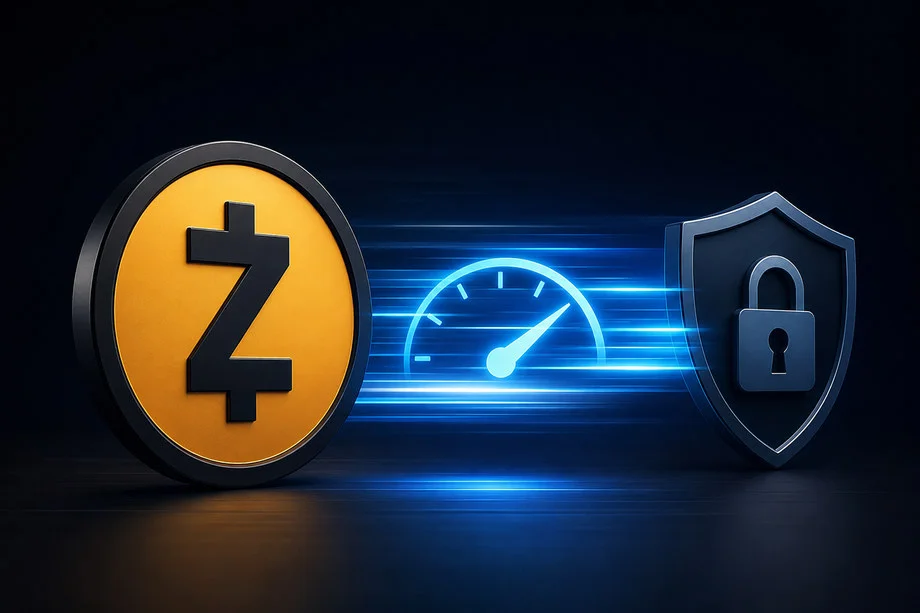
Developers behind the privacy-focused blockchain Zcash have released an open-source cryptography toolkit that substantially accelerates the creation of private transactions. The software, known as Zakura Common, reduces the time needed to construct shielded transactions from more than three seconds to under 200 milliseconds in certain benchmark tests.
Released on August 29, Zakura Common replaces key cryptographic components used by wallets when generating zero-knowledge proofs for shielded transactions. These proofs allow users to conceal the sender, recipient and amount while still demonstrating that the transaction complies with network rules. The heavy computational work previously created noticeable delays on the user’s device before a transaction could even reach the network.
Major Performance Gains Across Devices and Operations
Benchmarks showed the largest improvements in proof generation. Mobile devices achieved more than a fourteenfold speedup, while desktop systems improved by more than five times overall. Sinsemilla hashing, which supports cryptographic commitments in Zcash’s shielded system, accelerated by more than twenty-one times. Full nodes gained fourfold to eightfold faster zk-SNARK verification when checking the validity of private transaction proofs. Trial decryption, used by wallets to scan the blockchain for relevant shielded transactions, improved by more than 1.5 times.
Results depend on hardware, operating system, transaction complexity and specific wallet implementation. Network confirmation times remain separate from local proof construction. Zakura Common is available under dual MIT and Apache 2.0 licenses, allowing developers to use, modify and distribute the libraries.
Immediate Adoption Without Consensus Changes
Wallet and node developers can integrate the toolkit without altering Zcash consensus rules. No hard fork, network upgrade or coordinated activation among operators is required. Zakura version 1.3.0 has already adopted the new stack, and Vizor Wallet is among the earliest confirmed integrations. Other wallets will receive the improvements according to their own development schedules.
Faster verification is expected to aid transaction propagation and reduce pressure on nodes. Quicker wallet synchronization and fewer orphaned blocks are also anticipated, though actual gains will depend on how widely the software is adopted across the ecosystem.
Part of Broader Scaling Efforts
Zakura Common forms one element of a larger push to improve Zcash performance. The Zakura node, launched earlier, targets eventual support for more than 50,000 private transactions per second. Current wallet software has been limited to roughly one transaction per second in some assessments. The new cryptography addresses the time a user’s own device spends building a private payment, complementing work on node verification and data requirements.
The software can already operate under the 25-second block times proposed for the future NU7 network upgrade. That upgrade would still require its own governance process and activation. Zakura is led by Zcash co-founder Sean Bowe, a longtime zero-knowledge cryptography researcher, in collaboration with Dev Ojha. Its node software operates separately from the Zcash Foundation’s existing implementation and serves as a testing ground for additional scaling work, including Project Tachyon.
Market Response and Context
ZEC rose about 5 percent and traded near $839 following the announcement. By August 31 the token traded near $829 after fluctuating between approximately $808 and $888 over the prior 24 hours. The price movement coincided with the release but does not establish a direct causal link.
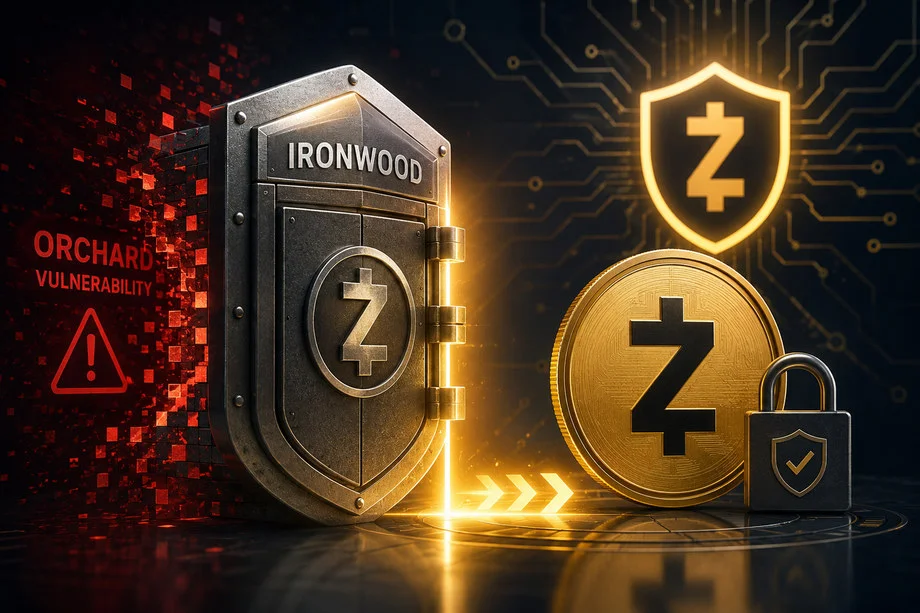
The toolkit addresses a distinct challenge from the earlier Ironwood upgrade, which resolved a soundness issue in the previous Orchard shielded pool through the NU6.3 network upgrade in July. Ironwood introduced supply controls and shifted the prior pool to an exit-only state. Zakura Common focuses solely on accelerating construction, scanning and verification of private transactions under the existing network rules.

Disclaimer
This article was generated by AI using information from multiple industry sources. It has not been reviewed or verified by a human editor and may contain inaccuracies, omissions, or misinformation. Readers are encouraged to independently verify any information before making decisions based on its content.Tired of the noise?
Let the bots trade for you.
Trade 24/7, without emotion, with data-driven strategies.
Associated articles
Zcash Targets January for Quantum-Resistant Signatures on Transparent Payments

Zcash Ironwood Hard Fork to Isolate Orchard Pool Vulnerability

AmericanFortress Proposes Quantum-Safe Wallet Scheme Without Fund Migration

Zcash Sets Ironwood Network Upgrade for July 28 Activation
Zcash Activates Ironwood Upgrade, Sealing $1.7B Orchard Pool After Vulnerability
Latest articles

SkyAI Exits Solana Holdings Completely, Launches $201 Million Share Buyback

Strategy Buys 267 Bitcoin and Raises Preferred Share Buyback Cap to $3 Billion

Dormant 2013 Bitcoin Wallets Shift Over $67 Million After More Than a Decade

Binance Rolls Out AI Pro Tool for Chat-Based Automated Trading Strategies