Newsroom
Zcash Co-Founder Calls for End to Automatic Grants Funding Stream
28 October, 2026 / News / AI / Tags: zcg, zcash, bowe, zec, grants
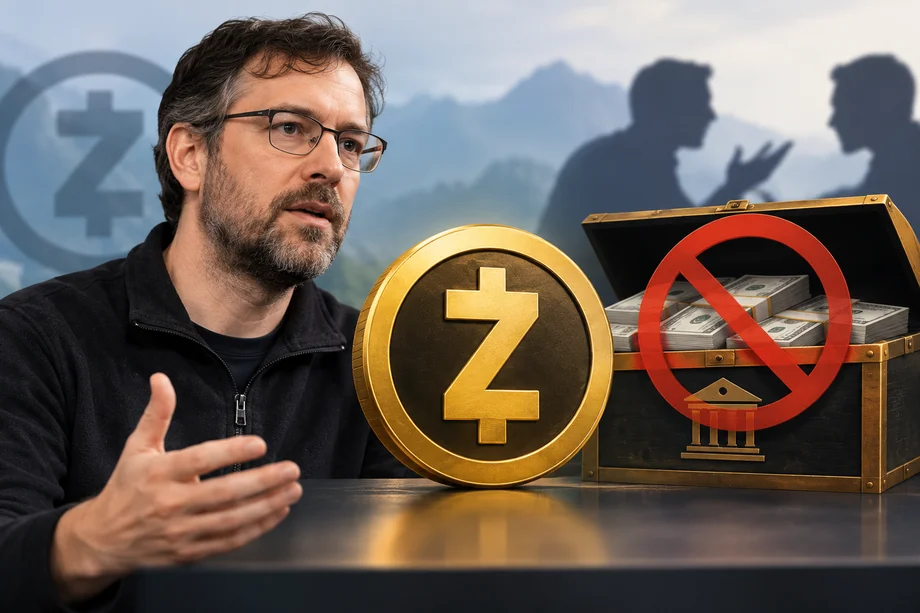
Zcash co-founder Sean Bowe has proposed halting the automatic allocation of block subsidy payments to the Zcash Community Grants program, citing its growing treasury as sufficient to sustain initiatives without further inflows from new ZEC production
Proposal to Redirect Grants Allocation
Zcash co-founder Sean Bowe has put forward a draft Zcash Improvement Proposal that would stop the recurring 8 percent share of newly created ZEC from flowing directly into the Zcash Community Grants program. The change would instead route that portion to the network’s Network Sustainability Mechanism until the current funding period concludes in 2028. Bowe emphasized that the program already holds substantial resources and argued it was never intended to manage such a large ongoing influx.
The initiative leaves ZCG’s existing holdings untouched. As of the latest data, the program controls 91,453 ZEC along with 8.8 million dollars in cash, offset by 2.4 million dollars in committed grants. At an illustrative ZEC price near 1,300 dollars, the net position exceeds 125 million dollars, providing runway for years of typical grant spending even if token prices fluctuate.
ZCG has over $125M in funding, and will receive millions more before the spigot is turned off. The program was never designed to handle this amount of funding.
Mechanics and Intent Behind the Shift
Under the draft, ZCG’s 8 percent block-subsidy slice would no longer be automatically deposited into the grants committee’s custody. Instead, it would be held in the Network Sustainability Mechanism, a structure designed to keep the tokens out of immediate circulation before gradually reissuing them through future block rewards. This approach preserves the protocol’s overall maximum supply and ensures miners continue receiving their proportional share of each block.
Bowe’s rationale centers on size and design mismatch. The grants program receives roughly 144 ZEC daily, or about 52,560 ZEC annually at current production rates, while its own treasury already supports far more than the original structure contemplated. Redirecting future inflows would prevent unnecessary concentration of additional assets under one governance arrangement without altering any existing commitments or spending plans.
The proposal requires a network rule change and is not part of the current Network Upgrade 7 schedule. Until it activates, the automatic stream will continue at its present pace. No reference implementation or exact activation date has been set, but the draft remains open for community review and governance input.
Broader Context of Funding Debates in Zcash
Bowe’s move forms part of ongoing discussions about Zcash’s incentive architecture. Separate calls have surfaced for adjustments to the network’s developer fund, which holds roughly 72,351 ZEC or about 89 million dollars according to on-chain trackers. One prominent view expressed that large, recurring pools risk becoming politicized as they scale, potentially influencing governance decisions and community priorities.
In response to the ZCG proposal, Zcash Open Development Lab founder Josh Swihart described the targeted approach as a “half measure.” Swihart advocated considering a full retirement of both the grants and coinholder-controlled development streams to eliminate ongoing uncertainty. He noted that markets favor certainty and suggested redirecting all such allocations to the sustainability mechanism while honoring previously approved grants.
ZCG Dashboard and Current Resources
| Asset | Amount |
|---|---|
| ZEC Holdings | 91,453 |
| Cash Reserves | 8.8 million USD |
| Outstanding Commitments | 2.4 million USD |
| Illustrative Net Value (at $1,300 ZEC) | 125 million USD |
The dashboard also tracks the Financial Privacy Foundation’s quarterly expenses, which annualized to roughly 6 million dollars in the most recent period—well below the annual inflow rate. Even conservative assumptions of 10 million dollars in yearly spending at lower token prices would leave several years of coverage from current assets.
Next Steps for Governance and Community
Bowe’s draft has been shared on GitHub for public comment. The Zcash community will need to determine whether the proposal advances through standard improvement-proposal processes and whether it gains the required support before the 2028 cutoff. Stakeholders are expected to weigh supply dynamics, governance structures, and long-term sustainability goals in the coming weeks and months.
Separate funding pools within the network, including the coinholder-voted stream, remain active and unaffected by this specific change. Any broader adjustments to development incentives could influence how projects receive support in the future, depending on the outcomes of ongoing discussions.

Disclaimer
This article was generated by AI using information from multiple industry sources. It has not been reviewed or verified by a human editor and may contain inaccuracies, omissions, or misinformation. Readers are encouraged to independently verify any information before making decisions based on its content.Tired of the noise?
Let the bots trade for you.
Trade 24/7, without emotion, with data-driven strategies.
Associated articles

Zcash Co-Founder Proposes Redirecting 8% of Block Subsidies to Network Reserve
Zcash Holders Approve 25-Second Blocks and Retain Halving Schedule in NU7 Vote

Zcash Activates NU7 at Block 3,543,405 to Cut Block Times to 25 Seconds

Zcash Sets Ironwood Network Upgrade for July 28 Activation
Zcash NU7 Upgrade Set for November 5 After Holders Back Faster Blocks and Halvings
Latest articles

YieldMax Announces Weekly ETF Distributions for Oct. 28 Ex-Dividend Date

Bithumb Probes Employee System Breach Amid Rising Cyberattacks on South Korean Finance Firms

Datavault AI Stock Plunges Nearly 50% After Bitcoin Access Failure and Accounting Restatement

Jason Calacanis Calls for Bitcoin Sell-Off, Forecasts $57,000 Retest and No New Highs