Newsroom
Shibarium Resolves Reorganization Issue as Infrastructure Migration Advances
21 September, 2026 / News / AI / Tags: shibarium, rpc, drpc, kaal, shibariumscan
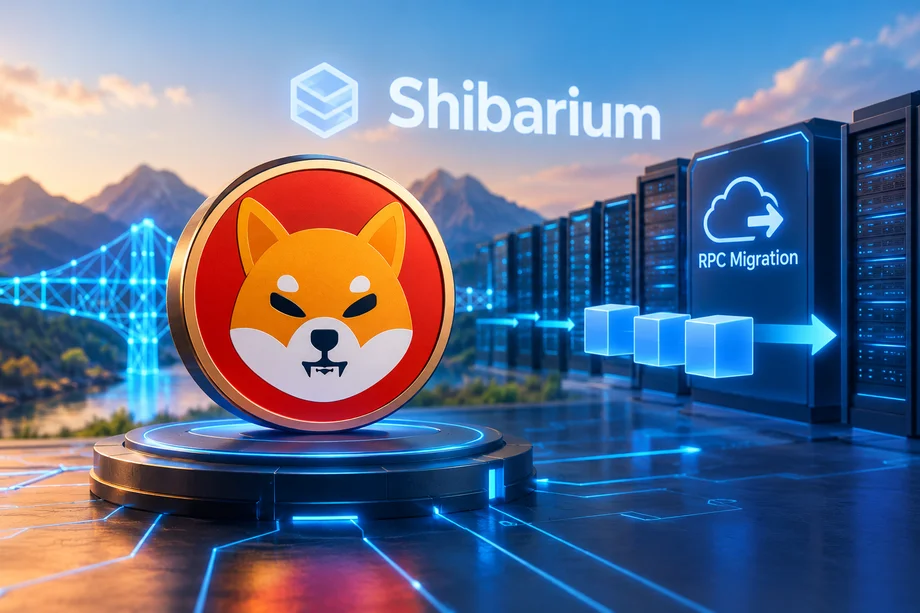
Shiba Inu’s Layer 2 network has fixed a reported reorganization problem while dRPC work and related upgrades continue across nodes, RPC endpoints and ecosystem sites
Shibarium, the Layer 2 network of the Shiba Inu ecosystem, has resolved a reorganization issue that affected the chain, according to an update attributed to developer Kaal Dhairya and shared by community member Mazrael. The remaining step centers on completing the dRPC transition into the network’s new environment.
The resolution was reported on September 19, 2026. Detailed technical information on the cause, duration or specific blocks involved has not been released publicly. The update places the fix within a broader infrastructure migration that began earlier and continues in stages.
RPC Transition and Official Endpoints
By the end of 2025, Shibarium began phasing out older public RPC endpoints in favor of a more stable and decentralized official infrastructure. The network now directs users and applications to the endpoint rpc.shibarium.shib.io. Official documentation lists Shibarium under chain ID 109, with BONE as the native currency and Shibariumscan as the block explorer.
The public Ethereum chain registry has also been updated to match this configuration. The entry for chain ID 109 now lists the official Shibarium RPC as the primary endpoint, followed by an additional provider, and points to Shibariumscan. This refresh corrected a lag that had persisted after the November 2025 RPC move.
Node Operator Peer Rotation
On September 15, 2026, node operators received notice of a full peer rotation. New Bor static node lists and Heimdall persistent peer details were distributed, fully replacing the previous configuration. The new IP set does not overlap with the former cluster, which is no longer in use.
Bor and Heimdall form core components of the network’s architecture for block production and validation coordination. Official node documentation instructs operators to verify that seeds and bootnodes match current values, check Heimdall synchronization before starting Bor, and use the designated ports for peer-to-peer communication. Recommended hardware ranges from 16 GB to 64 GB of RAM depending on node type, with guidance to route public access through sentry nodes.
Explorer Reindexing and Related Maintenance
Shibariumscan has been reindexing chain data during the infrastructure work. As of a September 20 check, approximately 53 percent of blocks had been processed. This figure measures explorer indexing progress rather than overall network status.
Separately, the official ecosystem status service lists Shibarium validator staking as under maintenance. The disruption follows an infrastructure migration that began on April 17, 2026. Users have been advised not to attempt staking transactions until service is restored, with no public completion date announced.
Ecosystem Website and Documentation Updates
On September 12, 2026, the official shib.io site and the ShibaSwap page moved to Cloudflare infrastructure, adding IPv6 support and retiring the prior hosting arrangement. Documentation hosted at doc.shib.io underwent the same transition.
These steps form part of a multi-month effort to strengthen backend connectivity, standardize network access points and improve reliability for developers, node operators and users interacting with the Shiba Inu Layer 2 environment.
Disclaimer
This article was generated by AI using information from multiple industry sources. It has not been reviewed or verified by a human editor and may contain inaccuracies, omissions, or misinformation. Readers are encouraged to independently verify any information before making decisions based on its content.Tired of the noise?
Let the bots trade for you.
Trade 24/7, without emotion, with data-driven strategies.
Associated articles
Shiba Inu Goes Live on Solana via Sunrise Integration
Nethermind Ends LayerZero Verifier Role, Joins Chainlink as Node Operator

Whitechain Relaunches as Distribution-Focused Ethereum Layer 2 Backed by W Group
Cardano Unveils Two-Phase Dijkstra Upgrade Roadmap Targeting 2026-2027
Pudgy Penguins Parent Igloo to Close Abstract Ethereum Layer-2 Network on December 15
Latest articles

Franklin Templeton Seeks SEC Relief for Blockchain Trading of Tokenized Funds
Cyber Capital Founder Labels XRP Decentralization Claims as Fraud Amid Closed-Source Update

DOJ Reviews Binance Compliance With 2023 Settlement Amid Iran Sanctions Probe
EU Tech Chief Says AI Act Equips Bloc to Manage Rogue AI Risks