Newsroom
JPMorgan Open to Evaluating Own Stablecoin Amid Banking Shift
26 August, 2026 / News / AI / Tags: jpmorgan, stablecoins, bank, stablecoin, spokeswoman
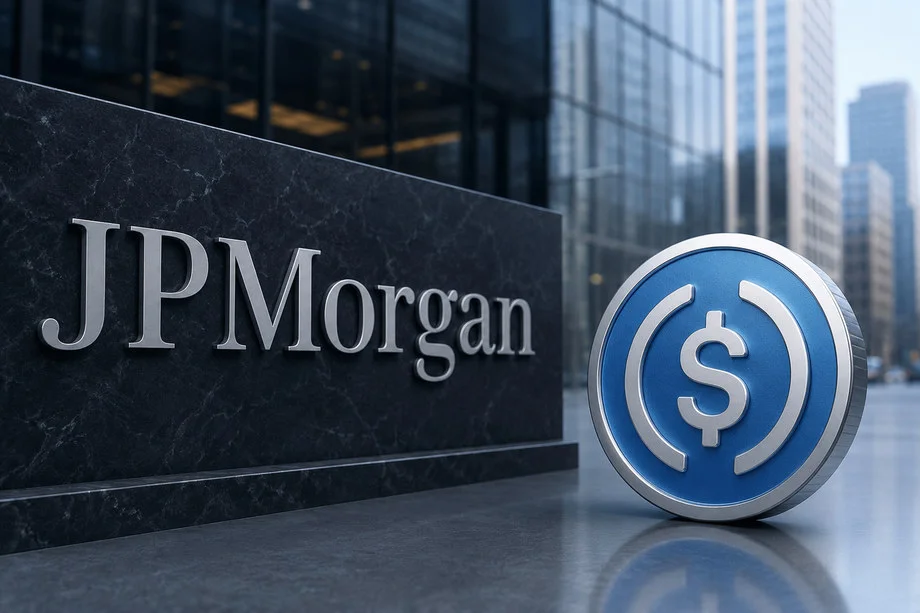
The largest U.S. bank held preliminary talks on a potential stablecoin and left the door open based on demand and rules, while peers advance joint efforts
JPMorgan Chase has indicated it remains open to the possibility of launching its own stablecoin, following recent internal discussions on the matter. A bank spokeswoman confirmed that while there are currently no plans to issue such a product, the institution would assess all future options depending on customer needs and how regulations develop.
The conversations were preliminary and do not signal an active development effort at this stage. This stance comes as traditional banks reassess their earlier resistance to stablecoins, which they once viewed primarily as competitive threats to core deposit and payment businesses.
Existing Digital Token and Distinctions
JPMorgan already operates JPM Coin, a digital deposit token introduced in November 2025 for institutional clients. This product functions as a blockchain-based representation of existing bank deposits held at the firm. It enables approved counterparties to transfer, settle, and reconcile funds on-chain while remaining under traditional banking oversight.
Deposit tokens differ fundamentally from stablecoins. The former represent direct claims on funds already on a bank’s balance sheet. Stablecoins, by contrast, are typically private tokens designed to maintain a stable value against a fiat currency through segregated reserves or other backing mechanisms, without constituting a direct bank deposit claim.
Broader Banking Industry Moves
Other major financial institutions are advancing their own initiatives. A group of more than a dozen banks and firms, including Bank of America, Wells Fargo, and Santander, is progressing plans for a joint stablecoin venture with global reach. The project would begin with a U.S. dollar version focused on commercial applications, with potential expansion to the euro and other Group of Seven currencies. Use cases would vary by market.
In June, a separate consortium of U.S. banks and payment companies advanced work under an open standard aimed at supporting a stablecoin for global payments. These efforts illustrate a wider industry transition. Banks that previously lobbied against stablecoins while promoting tokenized deposits as alternatives are now exploring both approaches as nonbank players, including technology and payment firms, expand in the space.
JPMorgan itself has described stablecoins in research as increasingly essential. The bank noted that consumers and businesses expect money to move with the speed of information, and that growth in real-time payments has shifted instant settlement from optional to necessary.
Market Context and Institutional Interest
The discussions occur against a backdrop of rising institutional engagement with digital assets. Asset managers and other large firms have also expanded activity related to stablecoins. Market projections cited in industry reporting estimate that stablecoins could eventually handle transaction volumes on a very large scale by the mid-2030s, though specific timelines and designs for any JPMorgan product remain undisclosed.
No details have emerged on potential backing structures, technical design, pricing, or regulatory pathways for a JPMorgan stablecoin. Any future decision would hinge on demonstrated demand from clients and clarity in the applicable rules. The bank’s existing blockchain infrastructure and deposit token already support institutional payment and settlement needs, providing a foundation that could inform further product development if conditions warrant.
Competitors and smaller institutions are similarly examining options, adding to competitive dynamics in digital payments and tokenized money. The preliminary nature of JPMorgan’s internal talks underscores that any concrete steps remain contingent and unconfirmed at present.
Disclaimer
This article was generated by AI using information from multiple industry sources. It has not been reviewed or verified by a human editor and may contain inaccuracies, omissions, or misinformation. Readers are encouraged to independently verify any information before making decisions based on its content.Tired of the noise?
Let the bots trade for you.
Trade 24/7, without emotion, with data-driven strategies.
Associated articles

Major Banks Advance Plans for Stablecoin Issuance Amid Rising Competition

Citi and Coinbase Form Partnership to Let Corporate Clients Accept Stablecoin Payments

Taurus Connects Tokenization Platforms to Swift Blockchain Ledger for Bank Tokenized Deposits

Wells Fargo Builds Stablecoin Capabilities Amid Unclear U.S. Demand

Oracle Connects Banks to SWIFT Blockchain Ledger for Tokenized Payments
Latest articles

SpaceX and Tesla Set Up Committees to Explore Merger That Would Combine Holdings of Over 30,000 Bitcoins

UK Banks Face Thousands of Complaints Over Crypto Transfer Restrictions

Ripple Backs SEC Proposed Crypto Asset Rules After $150 Million Legal Battle

Blockchain.com Introduces Options Trading on Seven Major Crypto Assets