Newsroom
Major Banks Advance Plans for Stablecoin Issuance Amid Rising Competition
26 August, 2026 / News / AI / Tags: banks, stablecoin, jpmorgan, bankchain, nonbank

Leading U.S. and global banks, including Bank of America, Wells Fargo and Santander, are developing stablecoin projects and a shared blockchain platform targeted for 2027 to protect their payments business
Major financial institutions are shifting their approach to digital currencies as the stablecoin sector expands rapidly and nonbank competitors gain ground in payments. Banks that once resisted the technology are now assessing or actively planning their own offerings to retain a central position in transaction services.
JPMorgan Evaluates Options While Operating Existing Token
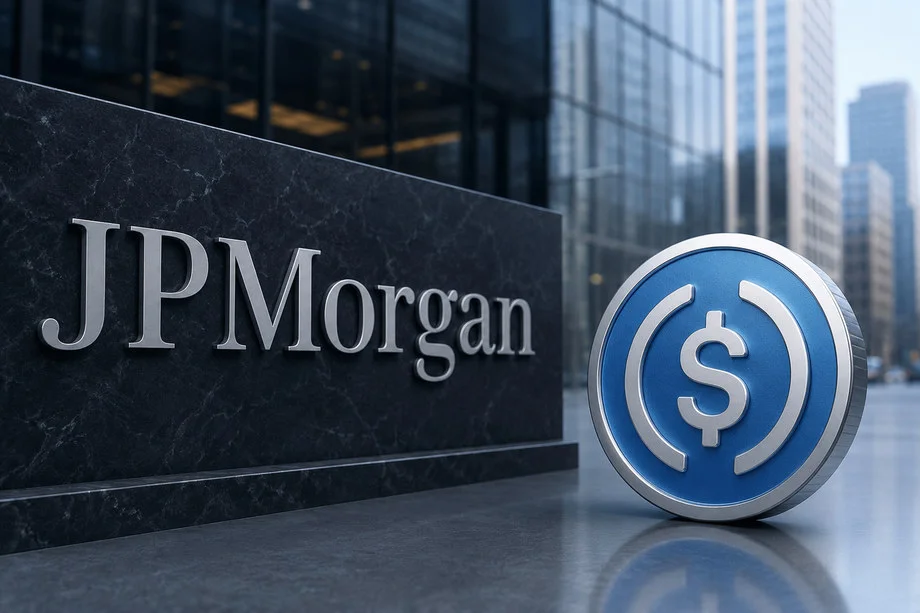
JPMorgan Chase has examined the possibility of introducing a stablecoin, according to people familiar with the discussions. The reviews remain at an early stage, and the bank has not started concrete product development. A spokeswoman said the institution currently has no plans to launch a stablecoin but may reconsider based on customer demand and regulatory developments.
The bank already runs JPM Coin, a blockchain-based tokenized deposit used for payments. This product represents a bank deposit in digital form rather than a stablecoin backed by external reserves that aims to hold a fixed value against the dollar.
Consortium of Banks Targets 2027 Launch
More than a dozen leading institutions, including Bank of America, Wells Fargo and Santander, are advancing a joint project for a global stablecoin. The effort is expected to begin with U.S. dollar-backed tokens and could later include the euro and other Group of Seven currencies. Participating banks are also studying commercial uses tailored to different regions.
Separately, a group of state bankers’ associations has announced plans for BankChain Alliance, a blockchain platform designed for banks to issue and manage stablecoins. The consortium involves 39 associations representing nearly 3,000 banks. The platform is scheduled for launch in the first half of 2027 and is intended to provide a secure, interoperable system controlled by the banking sector.
Bank of America has been developing its stablecoin strategy since earlier this year. Other institutions involved in the broader efforts have previously tested digital currency projects of their own.
Competitive Pressures Drive Industry Response
Stablecoins issued by cryptocurrency firms already form a market valued in the hundreds of billions of dollars. Traditional banks view participation as a way to safeguard their role in global payments rather than cede activity to nonbank players.
Recent moves by technology and payment companies have added urgency. In June, Visa, Mastercard and Stripe disclosed plans for a joint U.S. dollar-pegged stablecoin. Visa has also introduced its Stablecoin Platform, which offers banks and fintech firms tools to access and manage such assets. Other names active in related areas include BlackRock, Google and DoorDash.
Earlier resistance from banks stemmed from doubts about customer demand and concerns that stablecoins could compete with traditional deposits. That stance has softened as market dynamics change and regulatory clarity improves in some jurisdictions.
Smaller lenders are joining the larger institutions through the state association initiative, signaling an industry-wide push to keep digital asset activity inside the regulated banking system.
Focus on Payments Infrastructure
For the banks involved, the primary goal is maintaining relevance in payment processing as blockchain-based solutions expand. By issuing or supporting stablecoins on platforms they control, institutions aim to continue serving as key intermediaries even as technology evolves.
The projects under discussion remain subject to further regulatory guidance and demonstrated customer interest. Development timelines, particularly the 2027 target for the BankChain Alliance platform, provide a multiyear window for technical and compliance work.
Disclaimer
This article was generated by AI using information from multiple industry sources. It has not been reviewed or verified by a human editor and may contain inaccuracies, omissions, or misinformation. Readers are encouraged to independently verify any information before making decisions based on its content.Tired of the noise?
Let the bots trade for you.
Trade 24/7, without emotion, with data-driven strategies.
Associated articles
JPMorgan Open to Evaluating Own Stablecoin Amid Banking Shift

21 Global Banks Plan Joint Company for Dollar Stablecoin Launch in 2027

Wells Fargo Builds Stablecoin Capabilities Amid Unclear U.S. Demand

US State Banking Groups Form BankChain Alliance for 2027 Nationwide Blockchain Network

Stripe Stablecoin Executive Connor Fitzgerald Departs as Bridge Expands to Over 100 Markets
Latest articles

SpaceX and Tesla Set Up Committees to Explore Merger That Would Combine Holdings of Over 30,000 Bitcoins

UK Banks Face Thousands of Complaints Over Crypto Transfer Restrictions

Ripple Backs SEC Proposed Crypto Asset Rules After $150 Million Legal Battle

Blockchain.com Introduces Options Trading on Seven Major Crypto Assets