Newsroom
Democrats Seize Congress Control, Resetting Path for Crypto Rules and Oversight
4 November, 2026 / News / AI / Tags: republican, committee, democrats, seats, senate
Party gains in Senate and House after midterm victories position critics of digital assets for key committee roles while the stalled CLARITY Act faces fresh hurdles
Democrats secured majorities in both chambers of Congress in the November 3, 2026, midterm elections, ending unified Republican control and altering the near-term outlook for cryptocurrency legislation and oversight. The shift followed gains in multiple Republican-held seats and left the digital-asset sector confronting a more skeptical legislative environment after heavy campaign spending failed to prevent several setbacks.
Associated Press projections and early tallies showed Democrats flipping seats in Texas, Ohio, North Carolina, South Carolina, Kansas and Iowa, among others. The Senate majority reached at least 51 seats including independents who caucus with Democrats once Iowa Democrat Josh Turek prevailed. In the House, Democrats crossed the 218-seat threshold needed for control, with estimates placing their total between 225 and 228 seats.
Industry Spending Meets Mixed Results
Crypto-linked groups deployed roughly $176 million across more than 100 races in the 2026 cycle. Fairshake and its affiliated super PACs, backed by major industry players, led the effort and targeted candidates who had supported market-structure legislation. Additional spending came from the Digital Freedom Fund linked to Gemini co-founders Tyler and Cameron Winklevoss and other groups.
One of the highest-profile contests was Ohio’s Senate race, where Democrat Sherrod Brown defeated Republican incumbent Jon Husted. Industry groups directed more than $63 million to the race, including substantial sums from Fairshake. Brown, a former Senate Banking Committee chairman, has long raised concerns about consumer risks and the lack of accountability in crypto markets.
Other crypto-aligned Republicans lost House seats, including Bryan Steil of Wisconsin, who chaired the Financial Services Subcommittee on Digital Assets, Zach Nunn of Iowa and Ann Wagner of Missouri. Nebraska Republican Pete Ricketts, a Banking Committee member who supported the CLARITY Act, retained his seat. Some House races involving crypto supporters remained close or uncalled in early reporting.
Committee Leadership Poised for Change
Democratic control will reshape the committees that oversee financial regulation. Senator Elizabeth Warren is positioned to become chair of the Senate Banking Committee, succeeding Republican Tim Scott. Warren has repeatedly called for stronger consumer protections, limits on illicit finance and ethics rules covering government officials with crypto interests.
In the House, Representative Maxine Waters is expected to return as chair of the Financial Services Committee. Waters has previously introduced legislation seeking to restrict crypto activities by elected officials and their families and has pressed for greater investor safeguards. French Hill of Arkansas, the outgoing committee chairman who advanced stablecoin and market-structure measures, is projected to become ranking Republican.
These leadership changes increase the likelihood of heightened congressional scrutiny of President Donald Trump’s cryptocurrency-related businesses and regulatory decisions. Representative Robert Garcia, expected to lead the House Oversight Committee, issued a brief public statement after the results: “LAWYER UP.”
CLARITY Act Enters Uncertain Phase
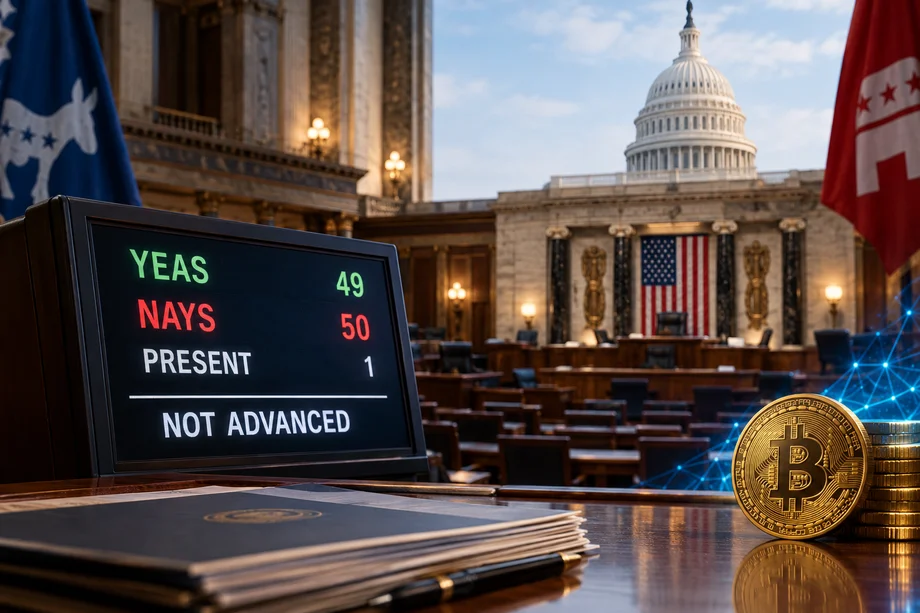
The Digital Asset Market Clarity Act, known as the CLARITY Act, remains the central piece of unfinished market-structure legislation. The House passed its version in 2025. In the Senate, a September 15 procedural motion to advance the bill failed 49-50, short of the 60 votes required. Several Democrats sought stronger provisions on consumer protection, illicit finance and conflicts of interest. A handful of Republicans also opposed advancement, citing concerns that stablecoins could draw deposits from community banks and credit unions.
Republicans still control the outgoing Congress during the lame-duck session that runs until early January 2027. Lawmakers could attempt another vote before the new Congress convenes on January 3. Without additional Democratic support, however, the measure is unlikely to clear the Senate. If it does not pass before the new session, the bill must be reintroduced and negotiations restarted from the beginning.
Industry voices have stressed the need for bipartisan agreement. Jerome de Tychey, president of Ethereum France and co-founder of EthCC, said durable rules would require cross-party support and warned against allowing crypto policy to harden along partisan lines.
Strategic Bitcoin Reserve and Agency Rulemaking
Democratic majorities may also complicate efforts to expand or legislatively lock in the Strategic Bitcoin Reserve established by executive order in 2025. Critics including Warren and Waters previously opposed the initiative. The existing reserve can continue under the current executive authority, but any expansion or permanent statutory backing would require congressional approval that now appears more difficult.
While legislation faces new obstacles, federal agencies continue advancing rules under existing authority. The Securities and Exchange Commission has proposed frameworks covering certain crypto fundraising exemptions and custody arrangements for advisers and funds. The Commodity Futures Trading Commission has sought public comment on a framework for retail crypto commodity transactions and designated contract markets. Agency actions may therefore remain the more immediate source of regulatory developments even as the new Congress organizes.
The incoming majorities take office in January 2027. Until then, the current Congress retains limited time to act on pending digital-asset bills amid competing priorities that include government funding negotiations. The combination of new committee chairs, stalled market-structure legislation and heightened oversight signals a shift in the policy environment for the sector after two years of Republican control of both chambers.
Disclaimer
This article was generated by AI using information from multiple industry sources. It has not been reviewed or verified by a human editor and may contain inaccuracies, omissions, or misinformation. Readers are encouraged to independently verify any information before making decisions based on its content.Tired of the noise?
Let the bots trade for you.
Trade 24/7, without emotion, with data-driven strategies.
Associated articles

Crypto PAC Fairshake Backs 32 House Incumbents With $6 Million Opening Push for 2026 Midterms

Crypto Super PAC Fairshake Commits $30 Million Against Sherrod Brown in Ohio Senate Race

House Democrats Advance Plans for Crypto Bill Expanding SEC Authority

Goldman Sachs CEO Backs CLARITY Act Amid Banking Industry Split on Crypto Rules
Senate Blocks Crypto Market Clarity Act Over Ethics Disputes
Latest articles

Hong Kong Enacts Crypto Tax Reporting Rules Starting 2027

Google Expands Voluntary Exit Packages to Five Countries Amid AI Spending

Stripe Opens Stablecoin Payouts to Crypto Wallets in Over 160 Markets for US Firms

Democrats Plan Probes of Trump Family Crypto Ventures After Midterm Wins