Newsroom
Trezor Firmware Update Blocks Known Spy Implants in Hardware Wallets
25 November, 2026 / News / AI / Tags: trezor, implants, firmware, devices, reseller
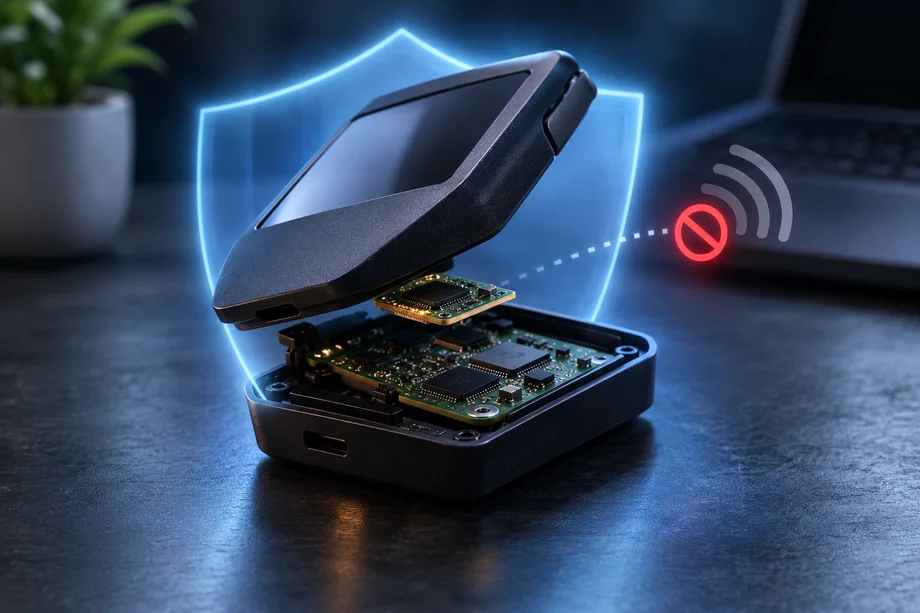
Company confirms three compromised Safe 5 devices from one reseller and urges affected users to generate new recovery phrases despite the software fix
Hardware wallet manufacturer Trezor has released a firmware update that prevents identified malicious implants from capturing sensitive data on affected devices. The company still advises customers who purchased units from a specific Southeast Asian reseller to transfer their funds to entirely new wallets.
The update, version 2.13.1, arrived on November 11. Trezor stated that it stops the implants examined so far from collecting further information, rendering the current batch ineffective on devices that install it. The protection does not reverse any recovery phrase that may have been recorded earlier.
Three Confirmed Compromised Devices
Trezor’s investigation identified three Trezor Safe 5 wallets containing the implant. All were obtained from CryptoBilis between August 20 and September 23. Sales occurred through the reseller’s Tokopedia and Shopee storefronts as well as direct channels.
One device underwent laboratory examination. The other two were confirmed through photographs of their internals supplied by the owners. Trezor reported that 48 customers who bought from CryptoBilis contacted the company after the initial warning. No other examined devices from additional resellers or different Trezor models showed signs of similar tampering.
None of the three confirmed owners reported any loss of funds.
How the Implant Operates
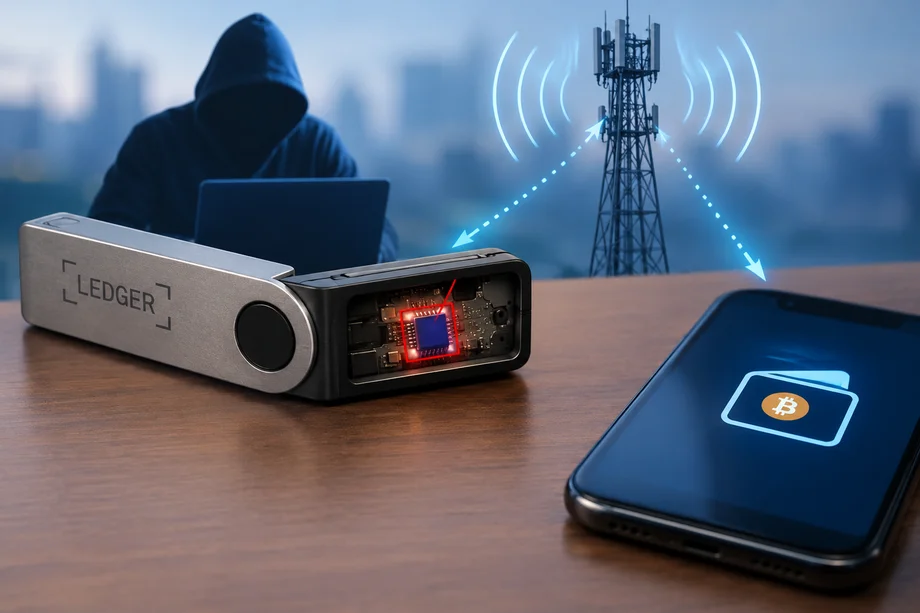
The malicious component consists of an extra circuit board placed between the wallet’s main board and its display. It monitors information shown on the screen without altering the device’s firmware or Secure Element.
According to Trezor, the implant can store recovery words displayed during wallet creation or entered during recovery. It can also capture a passphrase if that information appears on screen. Captured data is encrypted and transmitted over a mobile network to an attacker-controlled server. If connectivity is unavailable, the implant retains the information and retries later.
Because the attack targets the display rather than the protected cryptographic elements, a standard firmware integrity check alone would not detect it.
Limits of the Firmware Fix
Trezor has made clear that firmware 2.13.1 addresses only the implants identified to date. Any recovery phrase or passphrase captured before the update was installed remains exposed. Restoring the same backup on a different device does not resolve the risk.
For this reason the company continues to recommend that anyone who purchased a Trezor from CryptoBilis from March 2026 onward create a new wallet with a freshly generated recovery phrase and move their assets. Eligible customers may request a replacement device or refund.
Changes to Distribution Network
In parallel with the technical response, Trezor reduced its reseller network by approximately 80 percent. Remaining partners must now meet stricter requirements for sourcing, storage and handling of devices. The company stated that the partners removed posed no immediate threat but did not meet the elevated standards now applied to the supply chain.
Trezor continues to collaborate with the cryptocurrency security response group SEAL 911 on the investigation. The firm has also advised users to purchase devices directly from its official site or authorized channels and to perform security checks upon receipt.
The incident follows earlier reports involving the same reseller and another hardware wallet brand that investigators linked to substantial cryptocurrency losses. Trezor has not established a direct connection between the implants found in its devices and any specific thefts.
Disclaimer
This article was generated by AI using information from multiple industry sources. It has not been reviewed or verified by a human editor and may contain inaccuracies, omissions, or misinformation. Readers are encouraged to independently verify any information before making decisions based on its content.Tired of the noise?
Let the bots trade for you.
Trade 24/7, without emotion, with data-driven strategies.
Associated articles
Trezor Warns of Suspected Implant in CryptoBilis-Sold Safe 5 Wallet
Ledger Investigates $87M Crypto Wallet Theft Linked to Reseller
Ledger Confirms Hardware Implant in CryptoBilis Devices Linked to Tens of Millions in Losses
Ledger Confirms Tampered Hardware Wallets in Berlin, Expands Probe to Dubai
Hidden Chip in CryptoBilis Sold Ledger Signers Captures Recovery Phrases and Sends Them Over LTE
Latest articles

SEC Staff Issues No-Action Relief for Molecule’s Research Token Sales

Ukraine Parliament Approves Virtual Assets Law With Tax Rules and Dual Oversight

Monad MON Token Plunges to Record Low After 16.6 Billion Insider Unlock
French Senate Rejects Crypto Wallet Disclosure and Related Tax Measures