Newsroom
Crypto PAC Fairshake Backs 32 House Incumbents With $6 Million Opening Push for 2026 Midterms
6 October, 2026 / News / AI / Tags: fairshake, candidates, house, senate, incumbents
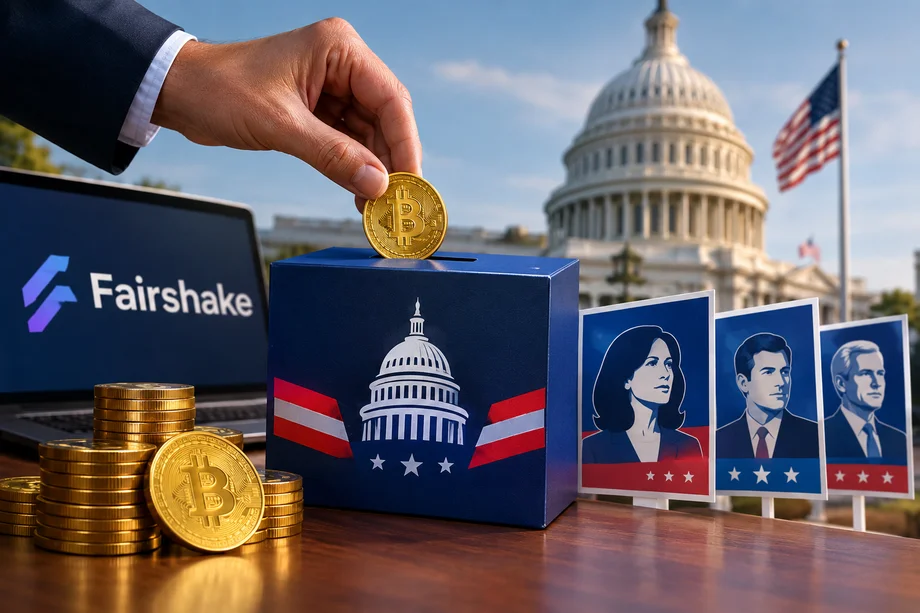
Fairshake commits initial millions to six bipartisan candidates who backed the stalled Clarity Act, while preparing more than $100 million in broader election spending
Fairshake, the political action committee backed by major cryptocurrency industry players including Coinbase, Ripple Labs and Andreessen Horowitz, has announced support for 32 sitting members of the U.S. House of Representatives in the November 2026 midterm elections. The group will open with $6 million in spending directed at six of those incumbents and has signaled plans for more than $100 million in advertising across House and Senate contests.
The slate consists of 19 Republicans and 13 Democrats. Every lawmaker on the list voted to advance the Digital Asset Market Clarity Act, also known as the Clarity Act, a measure intended to assign clearer oversight roles for digital assets between federal financial agencies. The House passed the bill in 2025, but a critical Senate procedural vote failed in recent months, leaving the legislation in limbo.
Initial $6 Million Allocated to Six Key Incumbents
Fairshake said the first round of spending will deliver $1 million each to three Democrats and three Republicans. The Democratic recipients are Representatives Janelle Bynum of Oregon, Derek Tran of California and Steven Horsford of Nevada. The Republican recipients are Representatives French Hill of Arkansas, Bill Huizenga of Michigan and Bryan Steil of Wisconsin.
Hill chairs the House Financial Services Committee. Huizenga serves as a senior member of that panel, and Steil leads its digital assets subcommittee. Several of the Democratic candidates have received high marks from industry advocacy groups for their positions on digital-asset policy. Fairshake has not disclosed specific spending levels for the remaining 26 candidates on its list.
The PAC and its affiliated committees entered the fall with substantial cash reserves, reported at roughly $122 million in August and approximately $120 million across the network by early September. Earlier in the cycle the network spent tens of millions on primaries and special elections, supporting candidates who won 53 of the 57 contests in which it participated.
Focus on Committee Influence and Safe Seats
Many of the endorsed lawmakers serve on committees with direct relevance to digital-asset policy, including the Financial Services Committee, the Ways and Means Committee, and panels covering agriculture, science and the judiciary. The strategy prioritizes incumbents in relatively secure districts, aiming to preserve and expand a pro-crypto presence in the next Congress rather than targeting competitive open seats.
Beyond the six initial recipients, the broader roster includes members of House leadership from both parties as well as chairs and ranking members of key committees. Fairshake has described its goal as helping to assemble the largest pro-crypto caucus in U.S. history.
Separate $30 Million Effort in Ohio Senate Race
Outside the House races, Fairshake has earmarked at least $30 million for the Ohio Senate contest. The spending is intended to support Republican Senator Jon Husted against Democrat Sherrod Brown, a former Banking Committee chair who has raised concerns about consumer risks and illicit finance in digital assets. An additional PAC linked to Gemini co-founders Tyler and Cameron Winklevoss has contributed further funds opposing Brown.
Fairshake and its affiliates are expected to spend more than $100 million overall on House and Senate advertising during the 2026 cycle. Public Citizen earlier estimated that crypto-aligned groups and companies had directed more than $180 million into the election cycle by mid-year, with later tallies rising above $200 million.
Legislative Backdrop and Outlook
The Clarity Act would have established a federal market-structure framework for digital assets, dividing responsibilities between the Securities and Exchange Commission and the Commodity Futures Trading Commission. After the House approved the measure by a wide margin, Senate negotiations stalled over issues including stablecoin rewards, decentralized finance oversight and anti-money-laundering provisions.
Fairshake has not launched a broad public campaign against senators who opposed the bill. Its most concentrated opposition effort remains the Ohio Senate race. The PAC continues to frame its work as strictly issue-driven rather than partisan, selecting candidates according to their records on digital-asset policy and their prospects of serving in the next Congress.
As the midterms approach, updated Federal Election Commission filings will show how the remaining funds are distributed and whether additional candidates are added to the list. The outcome of the House races and the Ohio Senate contest will help determine the composition of committees that shape future digital-asset legislation.
Disclaimer
This article was generated by AI using information from multiple industry sources. It has not been reviewed or verified by a human editor and may contain inaccuracies, omissions, or misinformation. Readers are encouraged to independently verify any information before making decisions based on its content.Tired of the noise?
Let the bots trade for you.
Trade 24/7, without emotion, with data-driven strategies.
Associated articles

Crypto Super PAC Fairshake Commits $30 Million Against Sherrod Brown in Ohio Senate Race

Stand With Crypto Endorses 32 House Incumbents Backing CLARITY Act for 2026 Midterms
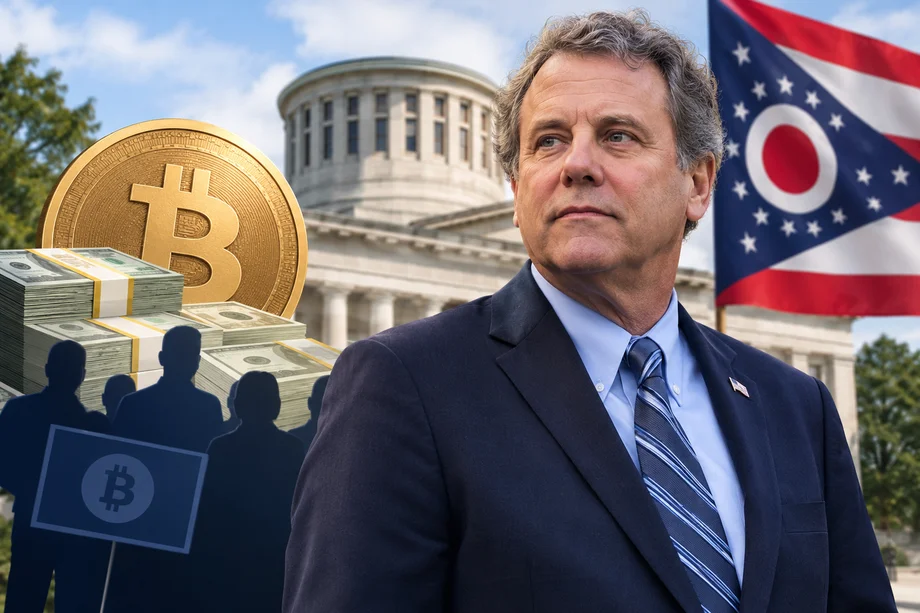
Crypto PACs Deploy Over $52 Million Against Sherrod Brown in Ohio Senate Contest

Crypto PACs Double Ad Spend to $2 Million in Michigan House Primary

Crypto PAC Fairshake Secures Four Primary Wins After $3.6 Million Push, Falls Short in Florida
Latest articles

Canada Launches Consultation on Stablecoin Rules With Yield Ban Intact

Chainlink Unveils CustodySync to Unlock Institutional Access to DeFi Lending
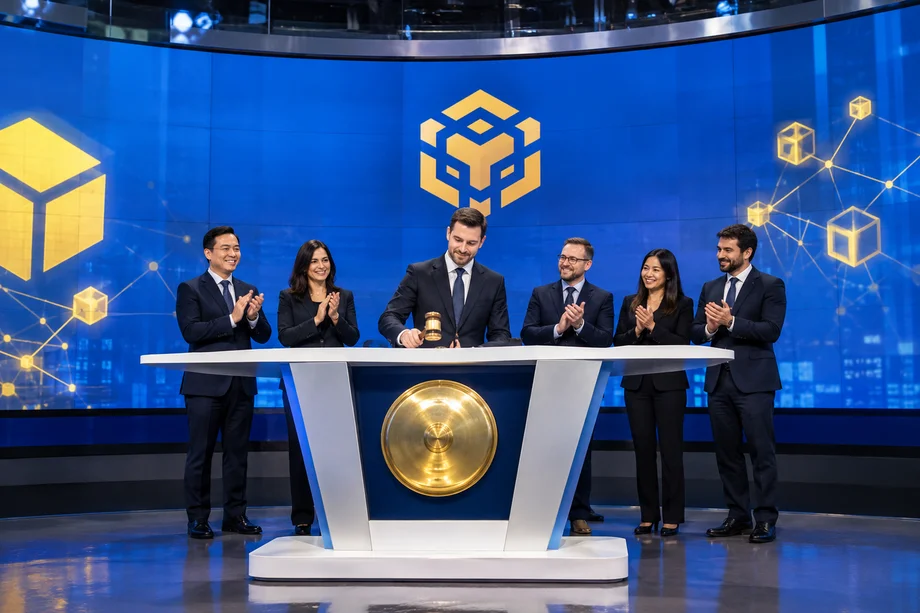
BNB Standard Rings Nasdaq Opening Bell to Mark Rebrand and New CEO

Verizon Raises 2026 Outlook After Strong Subscriber Gains and $2 Billion AWS AI Deal