Newsroom
Aztec Labs Relaunches zk.money Privacy Wallet on Ethereum Layer 2 After Three-Year Hiatus
30 September, 2026 / News / AI / Tags: aztec, privacy, wallet, network, labs
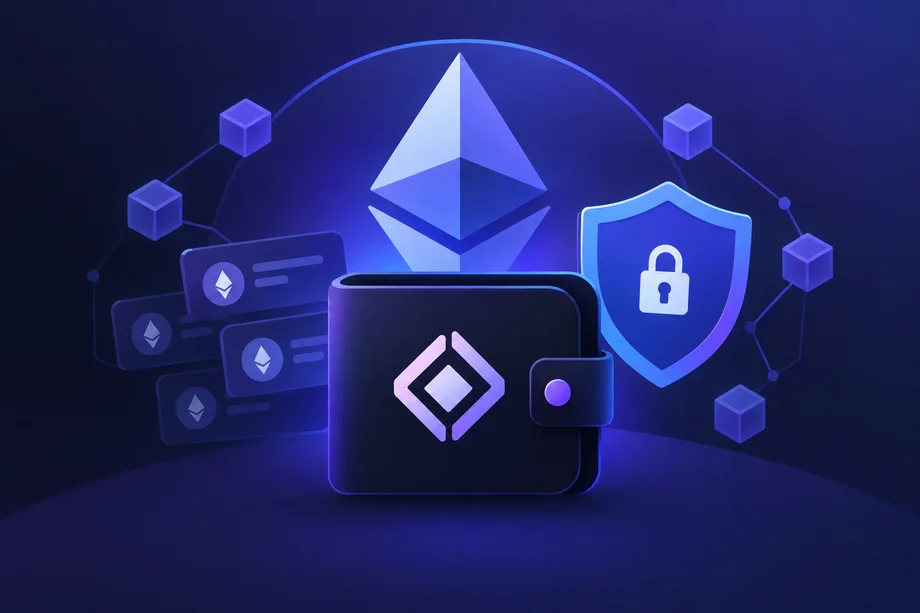
Self-custodial wallet returns on Aztec Network with stablecoin payments, readable tags and early transaction limits of $2,500
Aztec Labs has relaunched zk.money, its self-custodial privacy wallet, on the Aztec Network three years after taking the original product offline. The wallet, which went live on September 29, 2026, enables users to send and receive stablecoins while keeping balances, transfer amounts and counterparties off the public ledger.
The original zk.money launched in 2021 and attracted more than 75,000 wallets while processing roughly $100 million in volume before the team retired it to focus on building a general-purpose private network. The new version runs on Aztec Network, a privacy-first Ethereum layer-2 that settles back to the main chain.
How Private Payments Work
Users claim readable tags such as bob.zk.money that resolve through the Ethereum Name Service. Payments can also be requested via shareable links. Once funds are inside the wallet, transfers remain private: zero-knowledge proofs generated on the user’s device confirm validity without revealing details.
Deposits originating from Ethereum or exchanges stay visible on the public chain, including the sending address and amount. Privacy begins only after assets enter the Aztec Network. Supported stablecoins are USDC, USDT and DAI. USDC and USDT deposits are converted to DAI, and internal payments settle in DAI.
Because the wallet is self-custodial and relies on immutable smart contracts, Aztec Labs states it holds no privileged administrator keys that could move or freeze user funds.
Early Limits and Fees
In the initial rollout, individual deposits, payments and withdrawals are capped at $2,500. All users share a $50,000 daily deposit ceiling. Aztec Labs has indicated these thresholds may rise as the system matures.
Deposit transactions carry a 35-cent fee plus Ethereum network gas costs. Withdrawals cost 20 cents. The network sponsors up to 100 transactions per user each day. Deposit and withdrawal addresses are screened against sanctions lists.
Technical Background and Risks
Private computation occurs on the user’s device, producing cryptographic proofs that the network verifies without exposing underlying data. Aztec documentation notes that the software has not undergone complete review and may contain critical vulnerabilities. A flaw identified in the network’s V5 proof system in August is scheduled for resolution in V6; the wallet is launching before that fix is in place.
Earlier incidents involving discontinued Aztec products, including a $2 million transfer from an old payments contract and a separate $2.1 million drain from the retired Aztec Connect system, did not affect the current Aztec Network or the relaunched wallet, according to the company.
The return of zk.money arrives amid broader interest in privacy tools on Ethereum. Developers continue discussing proposals for the Hegotá upgrade that could allow privacy pools to cover their own fees, while Ethereum co-founder Vitalik Buterin has outlined longer-term plans for stronger privacy through zero-knowledge proofs in specialized applications.
Users can currently access the wallet through the zk.money website or by running a local frontend. A mobile application is planned for a later release.


Disclaimer
This article was generated by AI using information from multiple industry sources. It has not been reviewed or verified by a human editor and may contain inaccuracies, omissions, or misinformation. Readers are encouraged to independently verify any information before making decisions based on its content.Tired of the noise?
Let the bots trade for you.
Trade 24/7, without emotion, with data-driven strategies.
Associated articles

Telegram to Roll Out Native Non-Custodial Gram Wallet for Over One Billion Users This Summer
Ethereum Foundation and Open Anonymity Project Launch zkAPI for Private AI Payments on Mainnet

Charles Hoskinson Proposes Zero-Knowledge Wallet Recovery for Cardano Amid Security Challenges
Zcash Private Transactions Speed Up to Under 200 Milliseconds
Changer+ Debuts Self-Custodial Wallet Focused on Stablecoin Simplicity
Latest articles
Blockchain Association Urges Clarity on DeFi and Stablecoin Rules Under GENIUS Act
XRP Launches Official X Account, Jointly Managed by Ripple and XRPL Foundation
ESMA Expands MiCA Register to 375 Providers as BingX, YouHodler and Openbank Join

France Narrowly Approves Crypto-to-Stablecoin Tax from 2027