Newsroom
Apple CEO Transition Leaves Bitcoin Treasury Question Open as Price Hovers Near $78,000
31 August, 2026 / News / AI / Tags: cook, apple, ternus, wouldn, bitcoin
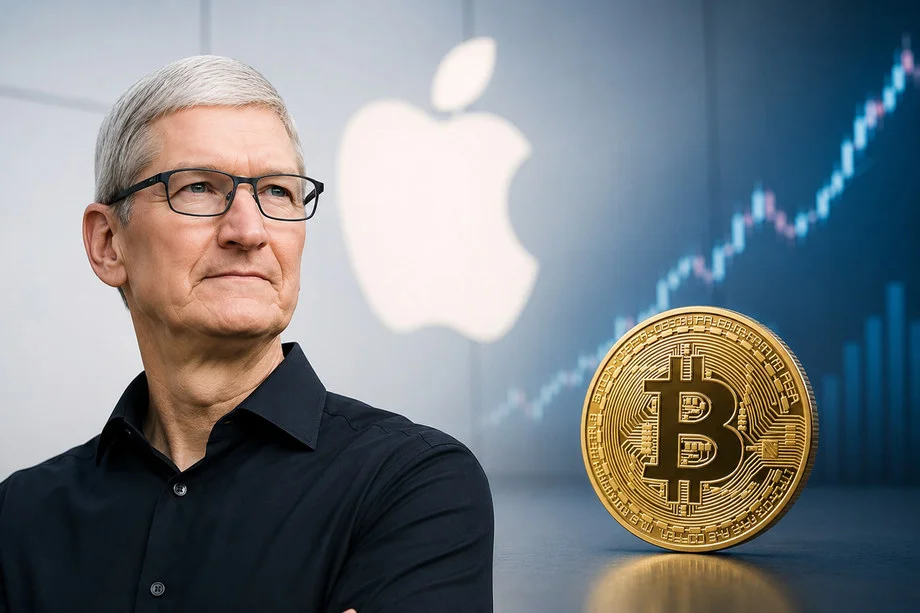
Tim Cook steps down without adding Bitcoin to Apple's balance sheet; successor John Ternus has offered no public view on digital assets while the company holds more than $146 billion in cash
Tim Cook will leave the role of Apple chief executive on Tuesday, September 1, after more than 14 years in the position. During that time the company never placed Bitcoin on its corporate balance sheet. John Ternus, the longtime hardware engineering leader, assumes the chief executive post the same day. Ternus has not stated any public position on Bitcoin or related digital assets.
Apple reported $146.5 billion in cash and marketable securities as of June 27. That substantial liquidity position has kept alive periodic questions about whether the company might one day allocate a portion of its reserves to cryptocurrency. Cook addressed the issue directly in November 2021 and never altered his stance.
Cook's Consistent Stance on Corporate Crypto Exposure
At a New York Times DealBook event that year, Cook confirmed he personally owned cryptocurrency. He drew a clear line for the company itself.
He declined to disclose the size of his personal holdings or the specific assets involved. In the years that followed, Apple continued to build its cash reserves while avoiding any direct Bitcoin purchases for the treasury.
Performance data since late 2021 shows Apple shares rising roughly 82 percent from a closing price of $175.35 at the end of that year to about $319.70 more recently. Bitcoin, which set a then-record near $68,991 the day after Cook's comments, traded near $77,244 over the weekend, representing a gain of about 12 percent over the same multi-year period. Recent trading has seen the cryptocurrency hover around the $78,000 level.
Focus Shifts Toward Payments Infrastructure
Ternus joined Apple in 2001 and spent 25 years concentrated on hardware development, rising to lead engineering for devices including the iPhone, Mac, iPad and AirPods. He brings deep product expertise rather than a finance background. Cook will remain involved as executive chairman, with a continued focus on policy matters.
Industry attention has turned more toward Apple's payments and services operations than any potential treasury allocation. Services generated $30.7 billion in the most recent quarter. Apple Pay currently processes traditional card transactions rather than token-based transfers.
Reports in 2025 indicated early internal discussions about possible use of stablecoins to reduce settlement costs. No product or service has been announced, and the company has not confirmed any such initiative. Any move in that direction would affect transaction plumbing rather than corporate reserves and would interact with the existing App Store rules that already govern cryptocurrency applications.
Open Questions for the New Leadership
Ternus has not been asked publicly about Bitcoin, stablecoins or broader digital-asset policy. Cook answered the treasury question once and maintained the same position through the remainder of his tenure as chief executive. The size of Apple's cash holdings ensures the topic remains relevant under new leadership, even as the company prioritizes hardware innovation and services growth.
As of the transition date, Apple continues to operate without Bitcoin on its balance sheet, consistent with the approach established years earlier.


Disclaimer
This article was generated by AI using information from multiple industry sources. It has not been reviewed or verified by a human editor and may contain inaccuracies, omissions, or misinformation. Readers are encouraged to independently verify any information before making decisions based on its content.Tired of the noise?
Let the bots trade for you.
Trade 24/7, without emotion, with data-driven strategies.
Associated articles
Tim Draper Labels Apple and Meta Irresponsible for Lacking Bitcoin Reserves

CryptoQuant Warns Strategy to Pause Bitcoin Buys as STRC Faces Pressure and Cash Coverage Drops

Trump Crypto Ally David Bailey Rebuilds Nakamoto After 99% Share Plunge

Strategy Boosts Cash Reserves to $3.225 Billion While Maintaining Massive Bitcoin Holdings

Strategy CEO Signals Bitcoin Buying to Restart Later This Year After Net Purchases
Latest articles

SpaceX and Tesla Set Up Committees to Explore Merger That Would Combine Holdings of Over 30,000 Bitcoins
UK Banks Face Thousands of Complaints Over Crypto Transfer Restrictions
Ripple Backs SEC Proposed Crypto Asset Rules After $150 Million Legal Battle

Blockchain.com Introduces Options Trading on Seven Major Crypto Assets