Newsroom
Uphold Launches Inheritance Service for XRP, Bitcoin and HBAR Holders
1 October, 2026 / News / AI / Tags: uphold, inheritance, vault, nancy, beaton
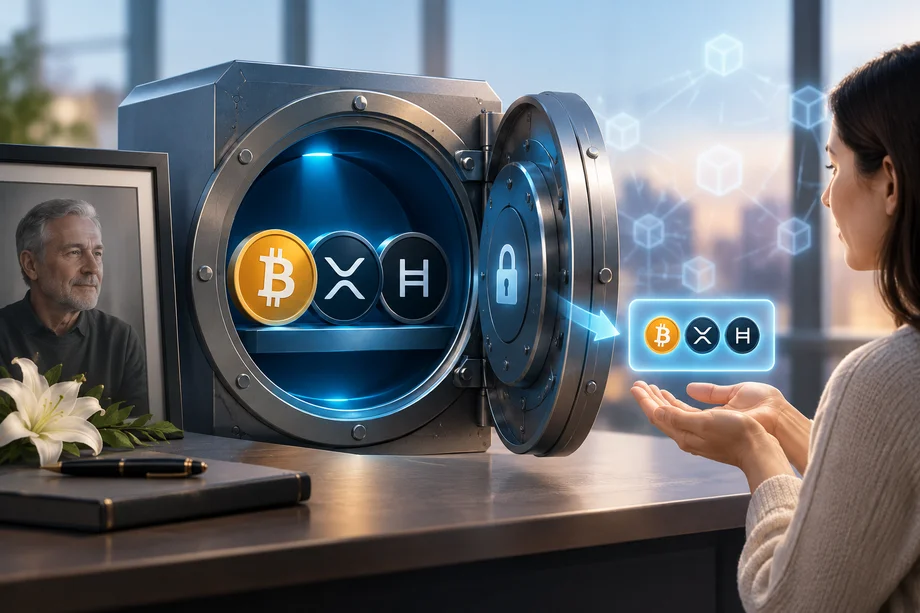
Uphold has rolled out Vault Inheritance, a $19.99 monthly service that lets customers designate beneficiaries to receive their crypto assets after death, backed by compliance verification to solve access issues for holdings valued at hundreds of billions
Uphold Expands Vault With New Inheritance Tools
Uphold announced on September 29 the addition of Vault Inheritance to its assisted self-custody wallet, enabling users to name a beneficiary who can claim Bitcoin, XRP and Hedera after the owner’s passing. The feature addresses a core challenge in cryptocurrency: legal ownership does not automatically grant spending authority because private keys remain tied to the deceased.
Customers access the option directly from the Vault dashboard, where they invite a beneficiary who receives setup instructions but gains no immediate control. The process requires no prior cryptocurrency experience from the recipient. Once the owner passes away, the beneficiary submits a claim along with legal documentation, and Uphold’s compliance team reviews it before releasing the assets into the recipient’s wallet.
This model builds on Uphold’s earlier support for the same assets. Vault first incorporated XRP in December 2023, added Bitcoin in April 2024 and now layers on formal inheritance planning. Current subscribers will see updated pricing effective after December 31, 2026.
Pricing and Availability Details
The service carries a monthly fee of $19.99, including a free 30-day trial for U.S. users. Beneficiaries must create an Uphold account to receive the transfer, though the funds stay locked until the claim clears review.
Uphold positions the offering as a straightforward solution for a growing segment of crypto users who treat these assets as part of their broader wealth. The company notes that traditional accounts transfer ownership easily, but blockchain balances often remain unreachable without usable credentials.
Scale of Stranded Crypto Holdings
Uphold cited an estimate that nearly 4 million bitcoin, valued at around $331 billion, may be stranded in wallets due to owner deaths or lost access credentials. Separate analysis from bitcoin services provider River placed permanently lost bitcoin holdings at 1.57 million coins, with 98 percent of those losses occurring before 2020.
These figures reflect different categories. Inactive addresses can still belong to long-term holders, while missing private keys create true inaccessibility for heirs. The new service connects verified legal claims with the cryptographic authority needed to move the assets.
Nancy Beaton Comments on the Innovation
Nancy Beaton, Uphold’s president of consumer, highlighted the gap in existing offerings.
In another statement she noted that crypto has become integral to financial planning, yet few secure methods exist for passing it on, especially for XRP holders.
The company launched Vault in late 2023 as a wallet that combines self-custody control with company support for replacing cryptographic keys and continued access to platform trading.
Comparison to Traditional Estate Planning
Unlike inheritance for stocks or bank accounts, cryptocurrency inheritance must bridge legal title and technical access. Past approaches often involved sharing seed phrases or passwords, which carried security risks. Uphold’s system shifts the responsibility to verified compliance processes that keep assets protected until the claim is approved.
The beneficiary gains full control only after transfer, preventing any early access while the owner remains alive. This setup helps families avoid the situation where heirs inherit ownership but cannot spend or manage the digital assets.


Disclaimer
This article was generated by AI using information from multiple industry sources. It has not been reviewed or verified by a human editor and may contain inaccuracies, omissions, or misinformation. Readers are encouraged to independently verify any information before making decisions based on its content.Tired of the noise?
Let the bots trade for you.
Trade 24/7, without emotion, with data-driven strategies.
Associated articles

IRS Alerts Crypto Owners to Fake Tax Letters Using QR Codes to Steal Wallet Keys

Dormant $1.9M Bitcoin Moves After 15 Years in New York Lawsuit Spotlight

Italy's Largest Bank Doubles Crypto Holdings to $235M in Q1 Push

Germany's Sparkassen Savings Banks Launch Crypto Trading in Banking App

T. Rowe Price Launches First Actively Managed Multi-Token Crypto ETF
Latest articles

SpaceX and Tesla Set Up Committees to Explore Merger That Would Combine Holdings of Over 30,000 Bitcoins
UK Banks Face Thousands of Complaints Over Crypto Transfer Restrictions

Ripple Backs SEC Proposed Crypto Asset Rules After $150 Million Legal Battle

Blockchain.com Introduces Options Trading on Seven Major Crypto Assets