Newsroom
US Government Wallets Transfer Over $100 Million in Bitcoin and BNB
7 October, 2026 / News / AI / Tags: bitcoin, bnb, government, seized, prime
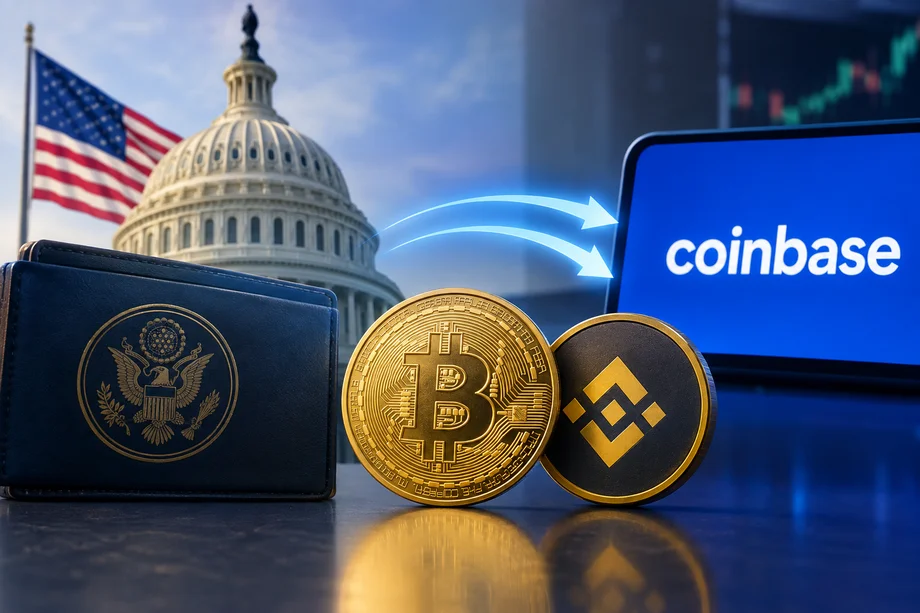
Wallets linked to US authorities moved 833.6 BTC worth $71.6 million to Coinbase Prime and 40,285 BNB valued at $31.6 million, with no confirmed sale
Wallets associated with the United States government transferred more than $100 million in cryptocurrency on October 7, according to blockchain tracking data. The movements involved 833.6 bitcoin, valued at approximately $71.56 million, and 40,285 BNB tokens worth about $31.63 million, for a combined total near $103 million.
The bitcoin ultimately reached addresses identified as Coinbase Prime deposit destinations after passing through intermediate wallets. The BNB tokens traveled through several unlabeled addresses before settling at a destination ending in 81E. Blockchain records confirm the transfers but do not establish that any assets were sold.
Origins of the Transferred Assets
The bitcoin originated from two separate forfeiture cases. Approximately 568.7 BTC came from funds tied to the Potapenko and Turogin proceedings, while 264.9 BTC was connected to the Bitfinex hack case. A related movement of about 264.863 bitcoin linked to the Bitfinex matter, valued near $22.87 million, had been recorded a day earlier when those coins shifted to a new address.
The BNB tokens were drawn from assets seized in the Alameda Research case. On-chain analysts noted that US government-linked addresses continue to hold roughly $27.5 billion to $28 billion in digital assets overall, with the bulk consisting of about 324,000 bitcoin valued near $27.7 billion.
Coinbase Prime and Custody Arrangements
Coinbase Prime provides both institutional custody and advanced trading services. The US Marshals Service selected the platform in 2024 to safeguard and manage large-cap digital assets obtained through federal forfeiture operations. A transfer to the platform can therefore serve custody, administrative, or trading purposes. Blockchain data alone cannot determine whether officials instructed any liquidation of the coins.
Similar questions arose after earlier movements. In July, government-linked wallets shifted nearly $297 million in seized bitcoin and ether to Coinbase Prime. No sale was later confirmed from those transactions. Other past transfers of seized bitcoin to the same platform in 2024 also failed to produce public confirmation of sales in many instances.
Policy Framework for Government Crypto Holdings
Federal treatment of seized bitcoin changed after March 2025. An executive order established the Strategic Bitcoin Reserve and directed that bitcoin finally forfeited and deposited into the reserve shall not be sold. It must be maintained as a long-term reserve asset. The order includes provisions for assets subject to court orders, victim restitution, or other legal requirements.
Cryptocurrencies other than bitcoin, including BNB, fall under a separate US Digital Asset Stockpile. The Treasury secretary holds authority to determine strategies for their responsible management under existing law. The current BNB movement therefore operates under a different policy framework than bitcoin held in the Strategic Bitcoin Reserve.
No federal agency has announced a sale linked to the latest transfers. Determining whether any of the bitcoin was liquidated would require additional transaction records or official confirmation from the government or its service provider. Earlier government sales of seized bitcoin, such as the disposal of nearly 9,900 coins connected to Silk Road in 2023, were disclosed through court filings rather than inferred solely from on-chain movements.
Previous large transfers of government-held bitcoin to Coinbase sometimes coincided with short-term price declines as market participants weighed the possibility of supply entering the market. Those declines were not always directly attributable to confirmed sales, and several of the 2024 movements occurred before the Strategic Bitcoin Reserve policy took effect.


Disclaimer
This article was generated by AI using information from multiple industry sources. It has not been reviewed or verified by a human editor and may contain inaccuracies, omissions, or misinformation. Readers are encouraged to independently verify any information before making decisions based on its content.Tired of the noise?
Let the bots trade for you.
Trade 24/7, without emotion, with data-driven strategies.
Associated articles

US Government Moves $288 Million in Seized Bitcoin and Ether to Coinbase Prime

US Government Transfers Over $1.8 Billion in Bitcoin and Tether Across Three Days
US Government Transfers Small Alameda Bitcoin Holding Amid Ongoing Asset Management

Metaplanet Moves Thousands of Bitcoin to Coinbase Prime Amid Market Scrutiny

Dormant 2013 Bitcoin Wallets Shift Over $67 Million After More Than a Decade
Latest articles

Zcash Co-Founder Proposes Redirecting 8% of Block Subsidies to Network Reserve

Bitcoin Monte Carlo Simulations Point to Median Value of $1.03 Million in 2033

S&P Global Completes Acquisition of OpenZeppelin Smart Contract Security Firm

Franklin Templeton Files Two ETFs to Convert US Stock Dividends into Bitcoin