Newsroom
US Government Transfers Small Alameda Bitcoin Holding Amid Ongoing Asset Management
27 August, 2026 / News / AI / Tags: alameda, ftx, forfeiture, bitcoin, seized
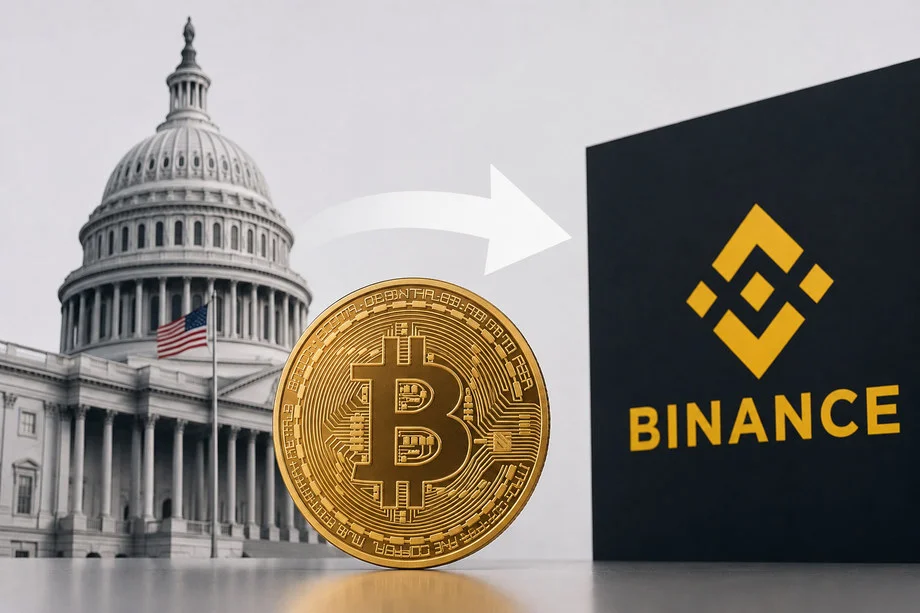
Federal authorities moved roughly 0.0048 BTC seized years ago from Alameda Research accounts on Binance.US, with the purpose of the transaction left unconfirmed by any agency
The U.S. government transferred a small quantity of Bitcoin previously confiscated from Alameda Research accounts held on Binance.US nearly three years earlier. Blockchain analytics firm Arkham Intelligence identified the movement of approximately 0.0048 BTC, valued at about $377 at the time of the transfer, on August 26 and 27.
Arkham described the action in a public post: “The US Government just moved a small amount of Bitcoin that had been seized from Alameda accounts on Binance US, 3 years ago.” The firm did not characterize the transfer as a sale or liquidation and provided no details on the receiving address or intended purpose. No federal agency has issued a statement confirming whether the coins relate to creditor repayments, victim restitution, reserve placement, or routine custody management.
Context of the Seizure and Related Holdings
Alameda Research, the quantitative trading firm closely linked to the FTX exchange, collapsed alongside FTX in November 2022. Federal prosecutors determined that FTX founder Sam Bankman-Fried directed customer deposits into Alameda for trading, investments, and other uses. A jury convicted Bankman-Fried in November 2023 on seven counts including wire fraud, securities fraud conspiracy, commodities fraud conspiracy, and money laundering conspiracy. In March 2024, U.S. District Judge Lewis Kaplan sentenced him to 25 years in prison and ordered forfeiture of more than $11 billion. An appeals court upheld the conviction and sentence in June 2026.
Authorities seized substantial digital assets from Alameda and FTX accounts as part of the related proceedings. One earlier assessment indicated that more than $300 million held in Alameda Research accounts on Binance and Binance.US formed part of a broader forfeiture totaling over $700 million in FTX- and Alameda-related assets. Those holdings included Bitcoin and wrapped Bitcoin valued at more than $102 million at the time of seizure. At the moment of the latest transfer, government-linked addresses collectively held roughly 324,552 BTC, valued near $25.5 billion.
Pattern of Earlier Asset Movements
The recent Bitcoin transfer continues a series of government-controlled wallet activity involving Alameda and FTX assets throughout 2026 and earlier periods. In May, authorities moved approximately $1.9 million in altcoins—including Render, Uniswap, The Sandbox, Mask Network, and Axie Infinity—to Coinbase Prime. Those tokens traced back to Alameda assets seized from Binance accounts more than three years earlier.
In June, government wallets transferred nearly $984,000 in FTX- and Alameda-linked cryptocurrency, with at least $768,000 directed to Coinbase Prime. Arkham indicated at the time that the assets were intended for the FTX estate to support creditor repayments. The batch included Chainlink and smaller tokens. Separate July transfers moved more than $288 million—and in one accounting nearly $297 million—in seized Bitcoin and Ether to Coinbase Prime. Those funds originated from multiple criminal cases, including matters unrelated to FTX and Alameda.
In December 2024, government-controlled wallets relocated more than $33 million in Alameda-linked cryptocurrency, including roughly $18 million in Ether, $13 million in BUSD, and smaller amounts of Wrapped Bitcoin, Shiba Inu, and Axie Infinity. The destination was a newly created address, with no official explanation released.
An inspector general report from the Department of Justice noted that the U.S. Marshals Service received a $627.9 million settlement as a partial payment against the $11 billion forfeiture total, with funds distributed to qualifying victims. Ongoing payments continue to draw from recovered assets and settlements tied to the FTX and Alameda investigations.
Strategic Bitcoin Reserve Framework
President Donald Trump established the Strategic Bitcoin Reserve through an executive order in March 2025. The order directs the Treasury Department to fund the reserve with Bitcoin that has been finally forfeited through criminal or civil proceedings. Bitcoin placed in the reserve is subject to a no-sale policy and must remain a U.S. reserve asset. Estimates of total government Bitcoin holdings have varied; one mid-2026 assessment placed the figure near 198,000 BTC, while a June review cited approximately 328,372 BTC across agencies and legal categories.
The order distinguishes between assets that have reached final forfeiture and those still subject to court proceedings, victim claims, or creditor recovery. Agencies may return property to verified victims, comply with court orders, support law enforcement needs, or meet other forfeiture requirements. A separate U.S. Digital Asset Stockpile covers forfeited assets other than Bitcoin and allows greater flexibility for management or disposal.
No public confirmation exists on whether the 0.0048 BTC moved in late August had entered the reserve, remained assigned to FTX recovery processes, or fell under an exception. White House digital asset adviser Patrick Witt stated in May that progress had been made on legal frameworks and custody arrangements, describing the developments as a breakthrough in safeguarding the reserve. Treasury Secretary Scott Bessent told senators in June that the administration remained committed to the reserve while addressing novel legal questions raised by the asset class. By July, officials continued examining whether Treasury possesses sufficient legal authority to hold and manage seized Bitcoin, even though the executive order named Treasury as the lead agency. Commerce has also participated in discussions on custody and audit procedures.
Legislative proposals remain under consideration. One measure backed by Sen. Cynthia Lummis and another supported by Rep. Nick Begich would impose holding requirements and study budget-neutral acquisition methods. Those proposals address reserve Bitcoin separately from assets still involved in forfeiture or creditor proceedings.
Unresolved Custody and Distribution Questions
The latest transfer, though small in value, draws attention to the continuing complexity of managing government-held digital assets years after the FTX and Alameda collapses. Transfers alone do not confirm sales; movement between wallets can serve custody, accounting, security, or preparatory purposes. Coinbase Prime has frequently served as a destination for government-managed digital assets because the platform provides both custody and trading capabilities.
Federal agencies have not disclosed the destination or objective of the August Bitcoin movement. The transaction leaves open questions about how remaining Alameda-linked Bitcoin will be handled—whether through further restitution to victims and creditors, placement into the Strategic Bitcoin Reserve once final forfeiture is complete, or continued administrative management under existing legal authorities. Separate bankruptcy proceedings for FTX continue to govern distribution of recovered assets to creditors, independent of the criminal forfeiture process.
Authorities maintain active oversight of substantial cryptocurrency holdings stemming from the FTX and Alameda cases as they balance restitution obligations, reserve policy, and inter-agency coordination on custody.


Disclaimer
This article was generated by AI using information from multiple industry sources. It has not been reviewed or verified by a human editor and may contain inaccuracies, omissions, or misinformation. Readers are encouraged to independently verify any information before making decisions based on its content.Tired of the noise?
Let the bots trade for you.
Trade 24/7, without emotion, with data-driven strategies.
Associated articles

US Government Wallets Transfer Over $100 Million in Bitcoin and BNB

US Government Transfers Over $1.8 Billion in Bitcoin and Tether Across Three Days

US Government Moves $288 Million in Seized Bitcoin and Ether to Coinbase Prime
House Committee Set to Advance Strategic Bitcoin Reserve Legislation on Wednesday

Dormant 2013 Bitcoin Wallets Shift Over $67 Million After More Than a Decade
Latest articles
Blockchain Association Urges Clarity on DeFi and Stablecoin Rules Under GENIUS Act

XRP Launches Official X Account, Jointly Managed by Ripple and XRPL Foundation

ESMA Expands MiCA Register to 375 Providers as BingX, YouHodler and Openbank Join

France Narrowly Approves Crypto-to-Stablecoin Tax from 2027