Newsroom
Trump Nominates Bipartisan Slate for SEC and CFTC Vacancies
13 November, 2026 / News / AI / Tags: cftc, senate, nominations, levine, nominees
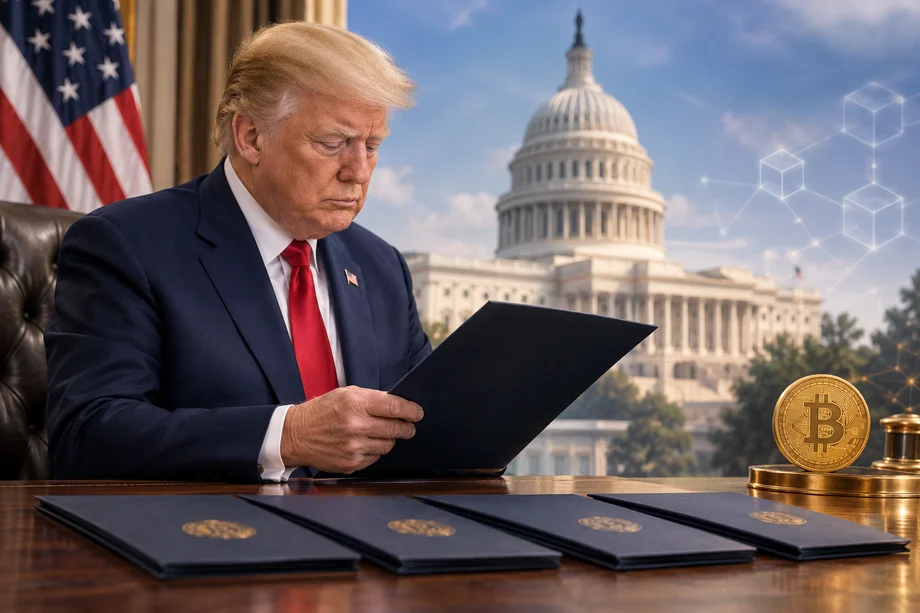
President Donald Trump has selected four candidates, including two Democrats and two Republicans, to fill open seats at the Securities and Exchange Commission and Commodity Futures Trading Commission amid ongoing debates over digital asset rules
The White House announced on Thursday a set of nominations for key regulatory posts at the SEC and CFTC, marking the first such appointments proposed for either agency in roughly a year. The picks aim to address significant vacancies at both commissions, which play central roles in overseeing U.S. financial markets, including aspects of cryptocurrency trading, offerings and derivatives.
All four nominees require Senate confirmation. The announcements arrive weeks before Democrats assume control of both chambers of Congress in January following their midterm election victories, leaving a limited period under the current Republican Senate majority for potential action on the nominations.
The Nominees and Their Backgrounds
For the SEC, Trump nominated Democrat Kristin N. Johnson of Michigan and Republican Steven Levine of Maryland. Johnson, a former CFTC commissioner who served until 2025, has focused on digital assets, consumer protection, risk management and market integrity. Her proposed term would run through June 5, 2029, filling the seat previously held by Caroline Crenshaw, whose term has expired. During her time at the CFTC, Johnson advocated stronger customer protection standards and conflict-of-interest oversight for digital asset firms.
Levine, nominated for a term ending June 5, 2030, would succeed Hester Peirce, who departed the commission in October after her term expired. Peirce had been a prominent voice for clearer regulatory frameworks on digital assets and previously led the agency’s Crypto Task Force. Levine previously served as counsel and deputy chief of staff to SEC Commissioner Mark Uyeda before taking a senior legal role at the White House Council of Economic Advisers. His specific positions on cryptocurrency policy have not been widely detailed in public records.
At the CFTC, the nominees are Republican Nathan Anonick of Virginia and Democrat Matthew Rowland of the District of Columbia. Anonick currently serves as legislative counsel to Senate Agriculture Committee Chairman John Boozman and participated in negotiations on the Digital Asset Market Clarity Act. His proposed term would extend to June 2031. Rowland is a CFTC attorney who has been detailed to the Senate Agriculture Committee, where he also worked on the Clarity Act and related digital asset legislation. His term would run through April 2028.
CFTC Chairman Mike Selig welcomed the CFTC selections.
Selig indicated he looked forward to working with a more complete commission following confirmation. The SEC currently operates with only two of its five commissioner seats filled, while Selig remains the sole active member of the CFTC’s five-person commission.
Timing and Confirmation Process
The nominations follow the November 3 midterm elections in which Democrats secured majorities in both the House and Senate. Those majorities take effect when the new Congress convenes on January 3, 2027. Republicans retain control of the Senate in the intervening weeks, creating a short window for hearings and votes.
SEC nominees typically appear before the Senate Banking Committee, while CFTC candidates go before the Senate Agriculture Committee. Each committee can conduct confirmation hearings and advance the nominations to the full Senate, where a majority vote is required.
The selections include two Democrats at a time when the administration faces heightened scrutiny from Democratic lawmakers over cryptocurrency policy and related financial relationships. The nominations come as both agencies have operated with multiple vacancies for an extended period.
Context of Stalled Crypto Legislation
The appointments occur against the backdrop of unresolved efforts to establish a comprehensive federal framework for cryptocurrency markets. In September, the Senate failed to advance the Clarity Act after a procedural vote resulted in 49 senators supporting further debate and 50 opposing it. The measure needed 60 votes to proceed, leaving questions about the division of oversight responsibilities between the SEC and CFTC unresolved.
Democratic lawmakers had sought additional safeguards addressing conflicts of interest, including those related to public officials and digital asset businesses. Supporters of the legislation argued it would create clearer operating rules for digital asset companies while strengthening regulatory clarity.
In the absence of new statutory authority, the agencies have continued developing rules under existing powers. The SEC has advanced proposals on digital asset offerings and custody arrangements, while the CFTC has pursued work on cryptocurrency trading and derivatives. These steps fall short of the broader market structure framework sought through legislation.
Discussions have continued about potential revisions to market structure proposals under the incoming Democratic majorities. Former CFTC Chairman Chris Giancarlo noted that Democrats might retain substantial portions of prior legislation while incorporating additional priorities on custody, consumer protections and restrictions involving public officials’ digital asset interests.
The proposed terms for the new commissioners would stagger their service periods, with Johnson’s ending in 2029, Levine’s in 2030, Rowland’s in 2028 and Anonick’s in 2031. Confirmation of the full slate would restore closer-to-full staffing at both agencies as debates over digital asset regulation continue.
Disclaimer
This article was generated by AI using information from multiple industry sources. It has not been reviewed or verified by a human editor and may contain inaccuracies, omissions, or misinformation. Readers are encouraged to independently verify any information before making decisions based on its content.Tired of the noise?
Let the bots trade for you.
Trade 24/7, without emotion, with data-driven strategies.
Associated articles
House Chair French Hill Says SEC, CFTC Crypto Rules Fall Short, Eyes Lame-Duck CLARITY Vote

CFTC Prepares Independent Crypto Market Rules as Clarity Act Faces Senate Hurdle

Senate Delays CLARITY Act Vote Until September Amid Ethics Deadlock

House Democrats Advance Plans for Crypto Bill Expanding SEC Authority
Democrats Seize Congress Control, Resetting Path for Crypto Rules and Oversight
Latest articles

Upbit Suspends OSMO Deposits and Withdrawals After Osmosis Network Halts Block Production
DOJ and CFTC Sue Arkansas to Halt Enforcement Against Kalshi Prediction Markets

Two 2010 Bitcoin Mining Wallets Move 100 BTC Worth $6.9 Million After 16 Years

Nvidia Board Contacts Arm CEO Rene Haas in Search for Permanent Leader