Newsroom
State Attorneys General Urge Senate to Reject Crypto Market Clarity Act Over Fraud Enforcement Concerns
14 September, 2026 / News / AI / Tags: attorneys, general, senate, james, fraud
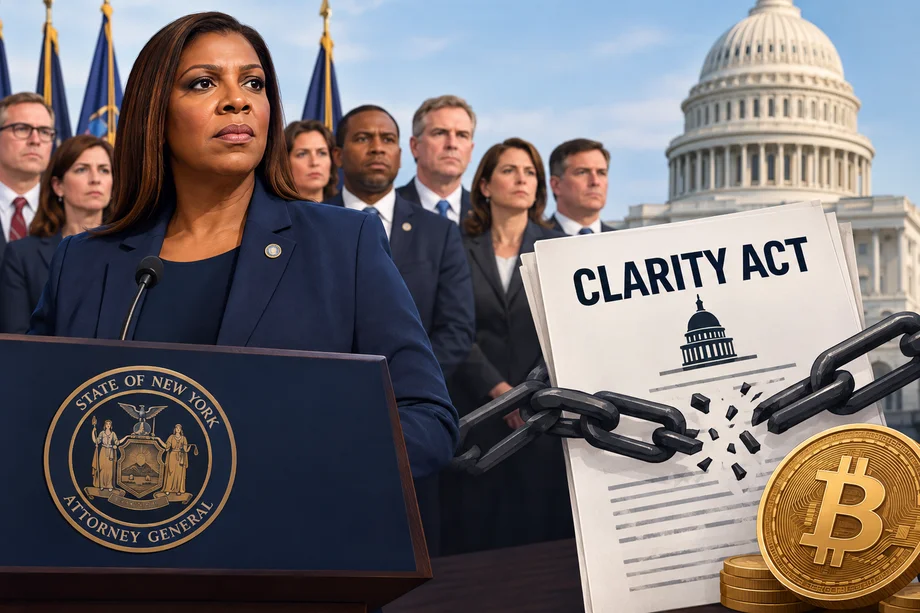
A bipartisan coalition of 18 state attorneys general, led by New York’s Letitia James, warns that the legislation could limit local powers to combat digital asset scams ahead of a key procedural vote
A bipartisan group of state attorneys general has called on the U.S. Senate to reject the Digital Asset Market Clarity Act in its current form, arguing that provisions in the bill risk undermining states’ ability to prosecute cryptocurrency fraud and protect investors. The letter, led by New York Attorney General Letitia James and signed by officials from 17 other jurisdictions, was sent Monday to Senate Banking Committee Chair Tim Scott and Ranking Member Elizabeth Warren, one day before a critical procedural vote.
The attorneys general contend that language in the legislation could grant the Securities and Exchange Commission new authority to preempt state registration requirements through definitions related to qualified transactions. They warn this would create uncertainty around state securities enforcement and potentially restrict the use of existing state powers to pursue cases involving online scams and investor misconduct.
Concerns Center on Federal Preemption and Local Enforcement
The coalition’s letter stresses that states serve as the primary responders to cryptocurrency-related fraud affecting ordinary investors. Officials pointed to FBI data showing $11.4 billion in reported cryptocurrency losses in 2025, with average victim losses exceeding $62,000. They argue that ambiguous or limited language reserving certain fraud prosecution powers for states could invite legal challenges from defendants and effectively displace local authority over securities and commodities markets.
James and her counterparts noted that state enforcers have brought more than 330 actions since 2017 to address digital asset scams targeting families and individuals. The group includes both Democratic and Republican attorneys general, among them officials from California, Illinois, Arizona, Kansas, Ohio, Wisconsin, Connecticut, Delaware, Maryland, Massachusetts, Michigan, Minnesota, Nevada, New Jersey, Virginia, Washington, and the District of Columbia.
In the letter, the attorneys general urged the Senate to expressly preserve the police powers of the states so they remain equipped to combat predatory scams. They stated that any federal changes displacing state oversight of securities and commodities markets would leave everyday Americans less protected as online fraud continues to rise.
Recent Revisions Fail to Address Core Objections
Senate Republicans released an updated version of the more than 600-page bill late Sunday, incorporating changes aimed at resolving outstanding disputes. The revised text grants state attorneys general a role in enforcing conflict-of-interest restrictions on public officials, shifting some responsibility from the federal Justice Department. It also authorizes the Treasury secretary to impose an 18-month circuit breaker on payment stablecoin rewards if those products cause substantial deposit outflows from community banks.
Additional adjustments narrow certain registration requirements for software developers, establish a civil safe harbor for specific noncustodial activities, and clarify the application of state consumer protection laws under the federal framework. The bill seeks to divide oversight of digital assets between the Securities and Exchange Commission and the Commodity Futures Trading Commission while creating registration rules for market intermediaries.
Despite these updates, the state attorneys general maintained that the revisions do not resolve their primary concerns about preemption and the potential erosion of state enforcement tools. James had raised similar issues in earlier comments, calling for stronger preservation of local authority alongside enhanced anti-money laundering and ethics measures.
Procedural Vote Tests Path Forward
The Senate is scheduled to hold an initial procedural vote on Tuesday that requires 60 votes to advance the legislation. Republicans hold 53 seats and therefore need support from some Democrats to clear the threshold. The House previously passed its version of the measure by a 294-134 margin in July 2025, and the Senate Banking Committee advanced its proposal 15-9 in May 2026.
Negotiations over the bill have stretched for months, with persistent disagreements involving ethics rules tied to elected officials’ digital asset interests, stablecoin rewards, and protections for decentralized software developers. The latest draft includes more than 100 changes sought by Democrats, according to Republican sponsors, yet the bipartisan state opposition introduces a new obstacle on the eve of the floor test.
The attorneys general framed their position as a defense of practical investor safeguards rather than opposition to market structure rules in principle. They argued that innovation in digital assets should not come at the cost of reducing the tools available to combat the scale of fraud already documented by federal authorities.
Disclaimer
This article was generated by AI using information from multiple industry sources. It has not been reviewed or verified by a human editor and may contain inaccuracies, omissions, or misinformation. Readers are encouraged to independently verify any information before making decisions based on its content.Tired of the noise?
Let the bots trade for you.
Trade 24/7, without emotion, with data-driven strategies.
Associated articles

NY AG James Warns CLARITY Act Would Curb State Powers Against Crypto Fraud

Senate Delays Clarity Act Vote Amid Schedule Crunch and Bipartisan Disputes
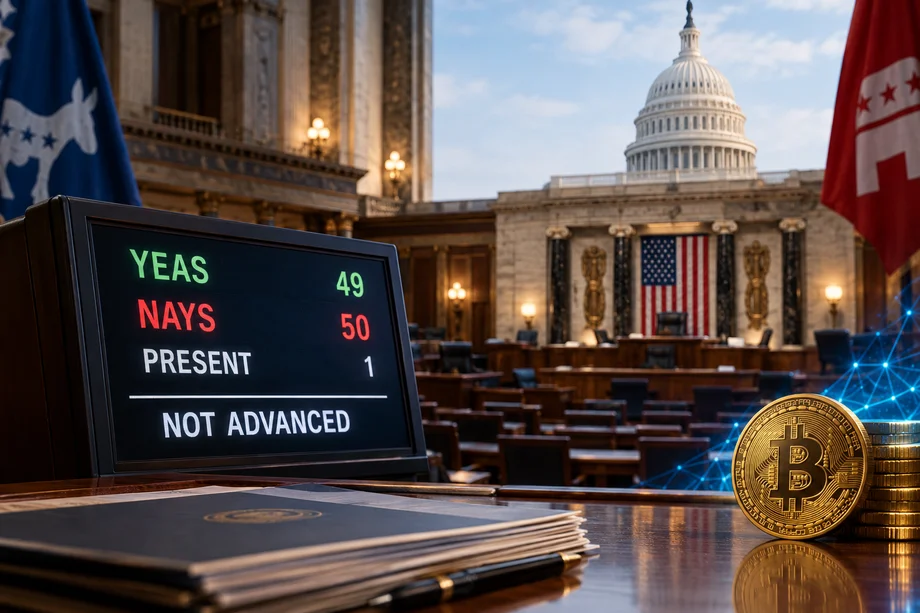
Senate Blocks Crypto Market Clarity Act Over Ethics Disputes

Trump Backs Ethics Rules, Clearing Path for Senate Vote on CLARITY Crypto Bill
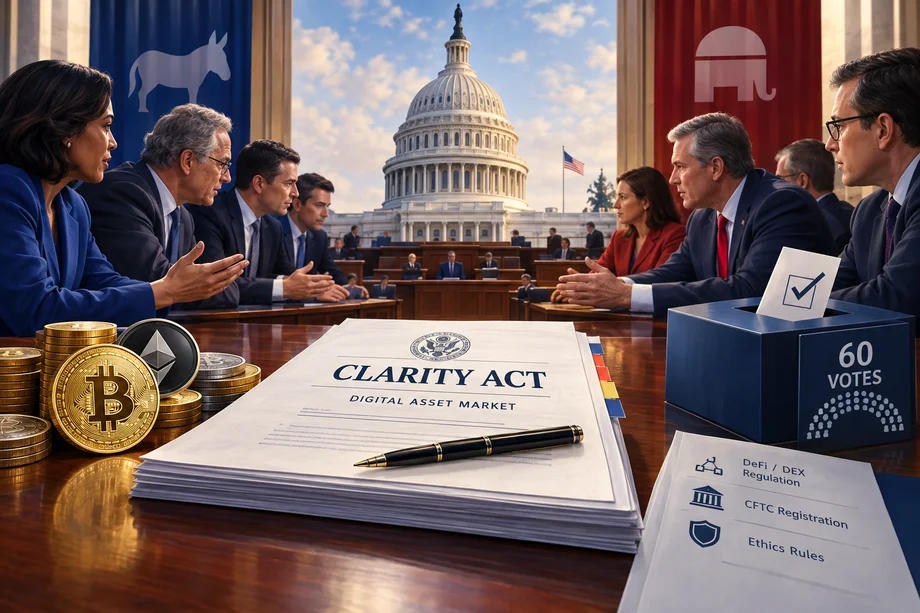
Senate Republicans Release Final Clarity Act Draft With Trump-Backed Ethics Rules Ahead of Tuesday Vote
Latest articles

Franklin Templeton Clears Path for Nasdaq-Listed ETFs That Convert Stock Dividends Into Bitcoin
Blockchain Association Presses Congress for Crypto Tax Overhaul Amid Stalled Market Structure Bill

New York AG Seeks $1.37 Billion From NovaTech Founders in Crypto Fraud Case
US Senator Seeks Records on Tether Payments to Firm Tied to Former White House Crypto Adviser