Newsroom
NY AG James Warns CLARITY Act Would Curb State Powers Against Crypto Fraud
28 July, 2026 / News / AI / Tags: james, letitia, york, fraud, senate

New York Attorney General Letitia James told Congress the federal market structure bill risks limiting state enforcement as Senate leaders weigh a possible floor vote before the August recess
New York Attorney General Letitia James has pressed Congress to strengthen consumer safeguards in pending cryptocurrency legislation, cautioning that the Digital Asset Market Clarity Act could override state investor protection statutes and sharply reduce the ability of state and local authorities to pursue fraud cases.
In written testimony submitted to the Senate Permanent Subcommittee on Investigations, James argued that the measure would shift primary oversight of digital asset markets toward federal agencies, particularly the Commodity Futures Trading Commission, while preempting existing state rules. She described the approach as a serious error given the scale of local enforcement activity nationwide.
James noted that state and local law enforcement agencies account for roughly 98.8 percent of arrests across the United States, with federal authorities responsible for about 1.2 percent. She warned that the legislation would prevent states from fully prosecuting what she called rampant fraud and other violations in the cryptocurrency marketplace.
Rising Complaints and Proposed Safeguards
James reported that crypto-related complaints received by her office have tripled over the past three years. Reported consumer losses in New York reached nearly $500 million over the last five years. Broader national data cited in related discussions showed even larger figures, including billions in reported losses tracked by federal agencies and private analytics firms.
She called for digital asset platforms to meet strict anti-money laundering and know-your-customer standards, maintain robust cybersecurity controls, and conduct ongoing surveillance for suspicious transactions and market manipulation. Platforms and intermediaries, she said, should bear financial responsibility when they fail to protect customers from fraud or abuse.
Additional recommendations included prohibiting the conversion of cryptocurrency linked to mixers or other untraceable sources into U.S. dollars and preserving current state laws on money transmission, commodities, and securities. James also urged restrictions on elected and recent government officials who hold financial interests in the industry, arguing that existing ethics language in the bill is insufficient. She noted that the proposed ban on certain official crypto activities would not take effect for a full year and would allow the use of blind trusts.
Senate Path and Competing Pressures
The House of Representatives previously approved the legislation. The Senate Banking Committee advanced it by a 15-9 vote in May. Senate Majority Leader John Thune has indicated he may initiate floor proceedings before the August recess, potentially by filing for cloture on a motion to proceed. Advancing the bill would require 60 votes.
Republicans hold 53 seats and would need Democratic support. Negotiations continue over several sticking points, including ethics enforcement authority, provisions affecting mixers, and rules on stablecoin rewards. Banking groups have lobbied against yield-bearing stablecoin products, contending they could draw deposits away from traditional institutions. Crypto firms have resisted broad restrictions.
Other legislation, including measures on domestic priorities and Russia sanctions, is competing for limited floor time. Industry supporters, including major brokerage firms, continue to back the bill as a way to establish clearer federal market structure rules dividing responsibilities between the Securities and Exchange Commission and the Commodity Futures Trading Commission.
Some Democratic senators have objected to giving the Department of Justice sole authority over certain ethics provisions and have pushed for shared enforcement power with state prosecutors. National groups representing sheriffs and state securities regulators have also raised concerns about specific sections of the legislation.
James has positioned her office as an active enforcer in the sector, citing prior recoveries for consumers from major platforms. She maintained that effective regulation requires coordinated federal and state efforts rather than diminished local authority, particularly as consumer losses and scam complaints continue to climb.
Disclaimer
This article was generated by AI using information from multiple industry sources. It has not been reviewed or verified by a human editor and may contain inaccuracies, omissions, or misinformation. Readers are encouraged to independently verify any information before making decisions based on its content.Tired of the noise?
Let the bots trade for you.
Trade 24/7, without emotion, with data-driven strategies.
Associated articles
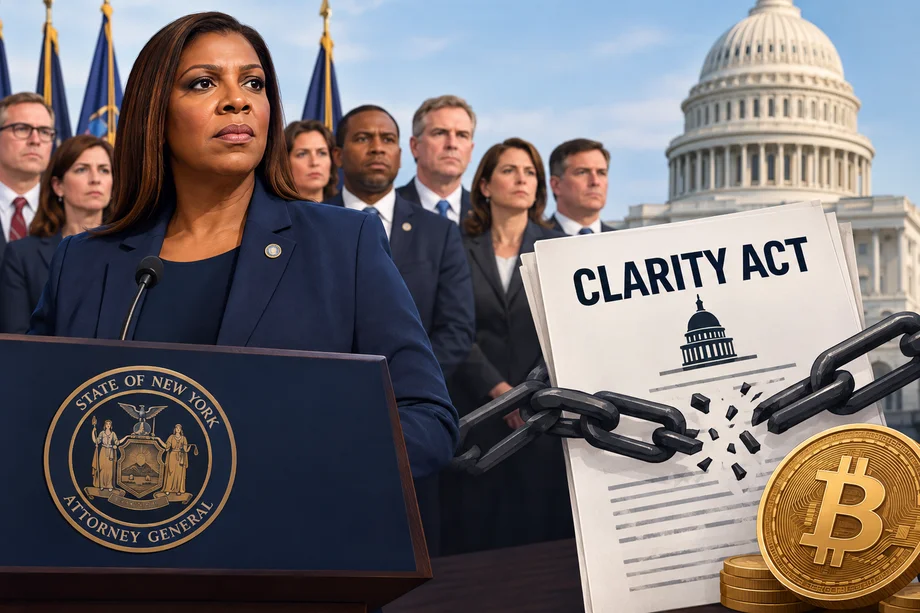
State Attorneys General Urge Senate to Reject Crypto Market Clarity Act Over Fraud Enforcement Concerns

Trump Backs Ethics Rules, Clearing Path for Senate Vote on CLARITY Crypto Bill
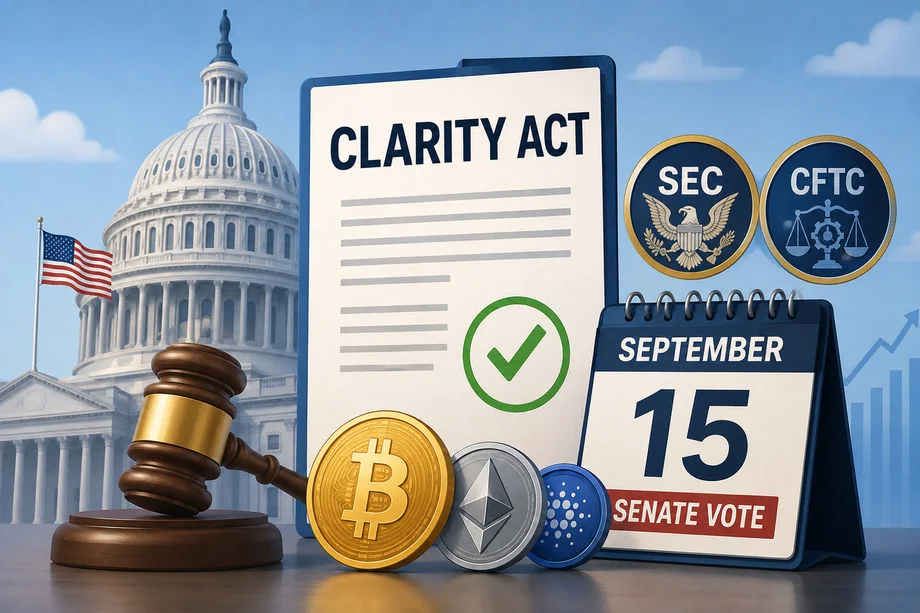
Senate Faces Critical September 15 Vote on Crypto Market Structure Bill

New York Sues Kalshi Seeking $36 Billion Over Alleged Illegal Gambling

Senate Races Clock on CLARITY Act Ahead of August Recess
Latest articles

SpaceX and Tesla Set Up Committees to Explore Merger That Would Combine Holdings of Over 30,000 Bitcoins

UK Banks Face Thousands of Complaints Over Crypto Transfer Restrictions
Ripple Backs SEC Proposed Crypto Asset Rules After $150 Million Legal Battle

Blockchain.com Introduces Options Trading on Seven Major Crypto Assets