Newsroom
Senate Republicans Release Final Clarity Act Draft With Trump-Backed Ethics Rules Ahead of Tuesday Vote
14 September, 2026 / News / AI / Tags: ethics, procedural, senate, vote, democratic
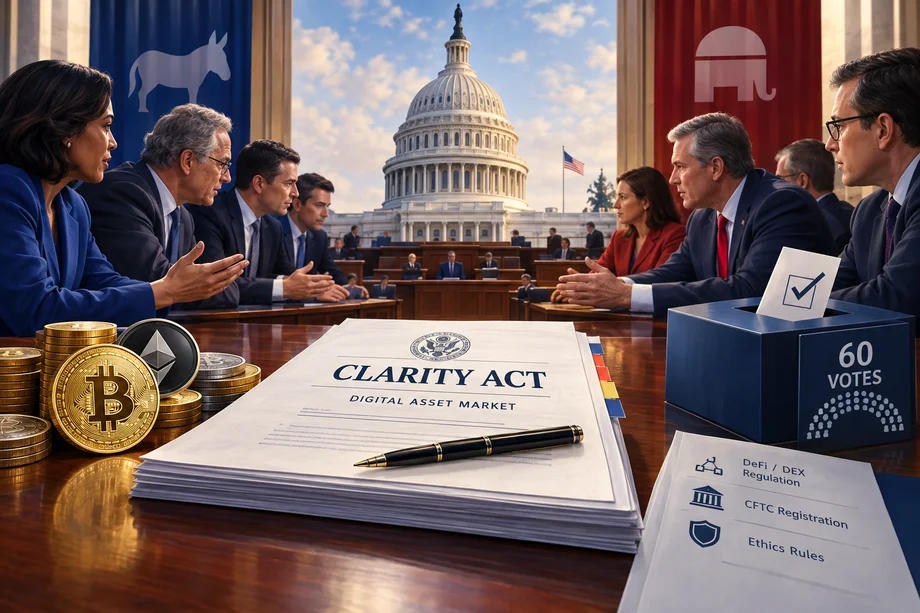
Lawmakers prepare for a critical procedural vote on comprehensive crypto market structure legislation after last-minute revisions aimed at securing Democratic support
Senate Republicans unveiled a revised version of the Digital Asset Market Clarity Act on September 14, presenting it as their final offer before a procedural vote scheduled for September 15. The updated 635-page text incorporates ethics restrictions supported by President Donald Trump, adjustments to developer protections, and new measures on stablecoin rewards in an effort to address longstanding Democratic concerns.
The legislation seeks to establish a clearer regulatory framework for digital assets in the United States by defining roles for the Commodity Futures Trading Commission and the Securities and Exchange Commission. It generally assigns the CFTC primary oversight of digital commodity transactions involving exchanges, brokers, and dealers, while the SEC retains authority over certain related activities.
Key Revisions in the Final Draft
Republican sponsors, including Senators Cynthia Lummis, John Boozman, and Tim Scott, described the latest text as the product of more than a year of bipartisan talks and over 120 changes requested by Democrats. A central addition is a strengthened ethics framework that requires covered federal officials, including elected officeholders, judges, and their spouses, to divest significant financial interests in digital asset issuers or place those holdings in a blind trust.
The ethics rules apply to individuals with material stakes, defined in part as equity interests exceeding certain thresholds in businesses deriving substantial revenue from token issuance or sponsorship. State attorneys general gain authority to enforce these restrictions, a provision previously resisted by the White House. Penalties include a minimum of 20 percent of the value involved or a fixed floor amount, whichever is higher. Exchanges face prohibitions on listing assets issued in violation of the rules.
Other notable updates include a narrowed version of the Blockchain Regulatory Certainty Act. Protections for non-controlling software developers, miners, and validators now focus on Bank Secrecy Act compliance and civil enforcement, removing earlier language that would have shielded them from certain criminal proceedings, including under Section 1960. The text also clarifies that these safeguards do not override derivatives regulations or affect existing authority over prediction markets.
A new stablecoin circuit-breaker mechanism authorizes the Treasury Secretary to restrict rewards programs if evidence shows substantial deposit outflows from community banks into stablecoins. This authority is temporary, lasting 18 months after enactment. Additional provisions tighten limits on vertical integration and affiliate trading by digital commodity exchanges, brokers, and dealers, while preserving the application of state consumer protection laws.
Some earlier elements, such as a standalone anti-central bank digital currency title and unrelated housing measures, were removed from the draft.
Democratic Response and Procedural Stakes
Senate Minority Leader Chuck Schumer convened an emergency Democratic caucus meeting on Sunday evening to discuss the party’s position. Negotiations among roughly a dozen Democratic senators have continued for months, with remaining disagreements centered on the strength of conflict-of-interest rules and other oversight provisions. Participants have included Senators Kirsten Gillibrand, Mark Warner, Ruben Gallego, and others who have pushed for stricter transparency measures.
The September 15 vote is a procedural step known as cloture on the motion to proceed. It requires 60 votes to advance the bill for full Senate debate and potential amendments. Republicans hold a majority of seats and are expected to support the measure, meaning several Democratic votes will be needed to clear the threshold.
Senator Lummis stated that the current text represents the final version after extensive negotiations and that Democrats had secured the concessions they sought. Industry figures, including Coinbase Chief Executive Brian Armstrong, have expressed support for advancing the legislation, citing backing from law enforcement groups, banks, and crypto firms.
Broader Context and Next Steps
The Clarity Act previously advanced from the Senate Banking Committee in May by a 15-9 vote. A House version passed earlier with bipartisan support. If the procedural vote succeeds, the Senate can begin floor consideration, where further changes remain possible. A failure would delay comprehensive market structure legislation, potentially for years according to some Republican statements.
Prediction markets showed increased odds for the bill becoming law in 2026 following the release of the revised text, though the figures remained below majority levels and addressed final enactment rather than the immediate procedural step. Separately, the House Ways and Means Committee is scheduled to consider related crypto tax measures in the coming days.
The outcome of the Tuesday vote will determine whether the Senate moves forward with debate on the framework that aims to resolve jurisdictional questions between federal regulators and provide greater certainty for digital asset markets, developers, and participants.
Disclaimer
This article was generated by AI using information from multiple industry sources. It has not been reviewed or verified by a human editor and may contain inaccuracies, omissions, or misinformation. Readers are encouraged to independently verify any information before making decisions based on its content.Tired of the noise?
Let the bots trade for you.
Trade 24/7, without emotion, with data-driven strategies.
Associated articles

Senate Republicans Release Revised Clarity Act Targeting Controlled DeFi Ahead of Key Vote

Senate Delays CLARITY Act Vote Until September Amid Ethics Deadlock
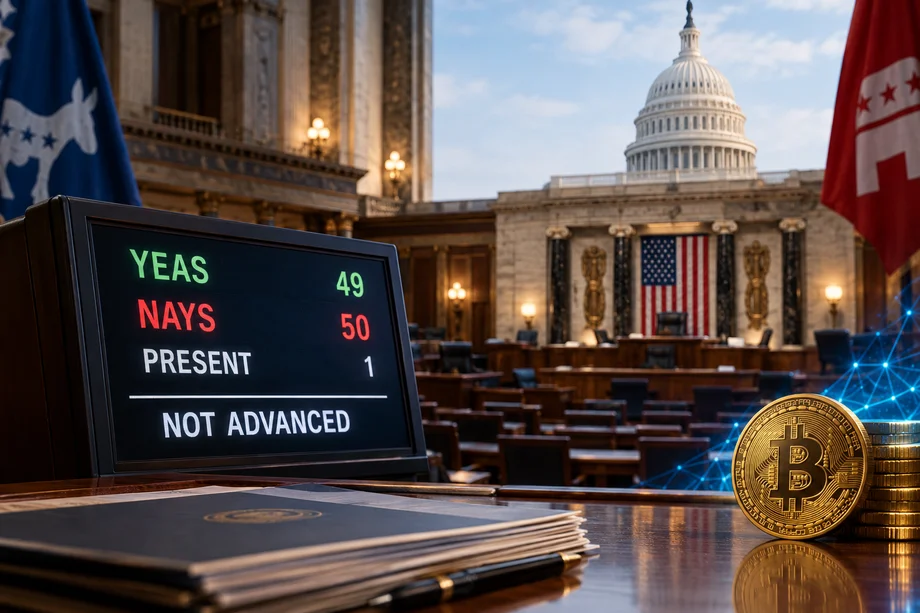
Senate Blocks Crypto Market Clarity Act Over Ethics Disputes

Senate Schedules September 15 Vote on Crypto Market Structure Bill

Senate Democrats Intensify Fight Against CLARITY Act Over Trump Crypto Earnings
Latest articles

Blockchain Association Presses Congress for Crypto Tax Overhaul Amid Stalled Market Structure Bill

New York AG Seeks $1.37 Billion From NovaTech Founders in Crypto Fraud Case
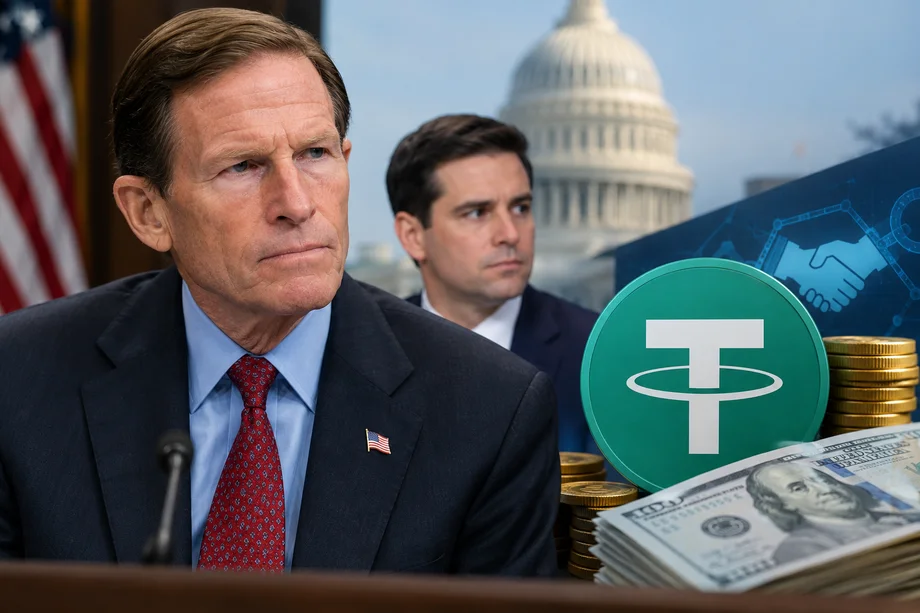
US Senator Seeks Records on Tether Payments to Firm Tied to Former White House Crypto Adviser

Bitcoin Core Revises Security Policy as AI Tools Simplify Bug Discovery