Newsroom
StarkWare Cuts Quantum-Safe Bitcoin Transaction Cost 79% to $66
24 September, 2026 / News / AI / Tags: starkware, quantum, qsb, bitcoin, cost
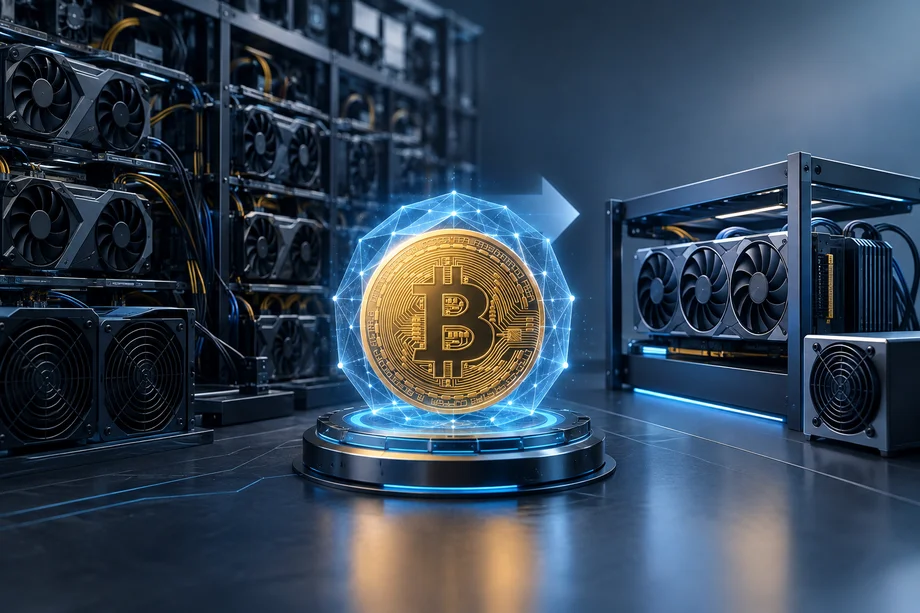
A week-long optimization challenge reduced estimated GPU costs for preparing experimental quantum-resistant Bitcoin transactions from about $320 to $66, based on benchmarks
StarkWare reported that the estimated computational cost of preparing a quantum-safe Bitcoin transaction has fallen sharply to around $66 after a week of focused optimization work. The figure represents a roughly 79% drop from the approximately $320 spent on the first such mainnet transaction confirmed in August.
The lower estimate stems from the Quantum-Safe Bitcoin Optimization Challenge, launched on September 16 by StarkWare together with Yukon Research and Eigen Labs. Participants, including developers, researchers and AI agents, submitted improvements that accelerated the GPU-heavy steps required to build these transactions. StarkWare said the challenge produced 62 accepted improvements across two core computational tasks.
First Mainnet Transaction Set the Baseline
The original cost baseline came from the first Quantum-Safe Bitcoin, or QSB, transaction mined and confirmed on August 26. Engineering work by Tomer Giladi and submission through MARA’s Slipstream service required about 3,100 GPU-hours across roughly 100 graphics processors. The $320 figure covered only the compute resources and excluded standard Bitcoin network fees.
StarkWare researcher Avihu Levy first published the QSB design in April. The approach uses hash-based protection intended to reduce risks from future quantum attacks while requiring no changes to Bitcoin’s consensus rules. Levy described it at the time as a last-resort measure because of its cost, complexity and limited applicability.
Benchmark Gains and Remaining Limits
According to StarkWare’s September 23 update, the challenge reduced the estimated computing cost by about 79% based on benchmark tests. A live dashboard now displays the current estimate at $66. Contest results showed participants using AI coding tools achieving substantial speedups in searching through candidate solutions, with leading submissions checking hundreds of millions of candidates per second on the same hardware used for the baseline.
The new figures remain estimates derived from benchmarks rather than additional confirmed mainnet transactions. The improved code has not yet been demonstrated preparing another on-chain QSB transaction at the lower cost level.
QSB transactions also carry practical constraints beyond cost. They must be submitted directly to a miner rather than traveling through the standard mempool, and they do not protect coins whose public keys are already exposed on the network. Those exposed keys represent the primary target for any potential quantum attack on Bitcoin’s elliptic-curve digital signatures.
Context of Quantum Risks and Longer-Term Preferences
The cost reductions arrive amid ongoing discussion of quantum computing risks to Bitcoin. A sufficiently powerful quantum computer could theoretically derive private keys from exposed public keys, enabling unauthorized spending of coins. Timelines for such capability remain uncertain and depend on engineering advances that have not yet materialized.
StarkWare positions QSB as an emergency option that holders with significant unexposed balances could consider if quantum threats become more immediate. At the same time, the company continues to favor a soft fork that would update Bitcoin’s consensus rules as the preferred long-term path for broad quantum-resistant protection across the network.
Further progress will depend on whether the benchmark improvements can be replicated in additional live transactions and whether the approach gains wider practical use while protocol-level upgrades remain under discussion.

Disclaimer
This article was generated by AI using information from multiple industry sources. It has not been reviewed or verified by a human editor and may contain inaccuracies, omissions, or misinformation. Readers are encouraged to independently verify any information before making decisions based on its content.Tired of the noise?
Let the bots trade for you.
Trade 24/7, without emotion, with data-driven strategies.
Associated articles

StarkWare Confirms First Quantum-Resistant Bitcoin Transaction on Mainnet

Galaxy Digital Commits $5 Million to Bolster Bitcoin Against Quantum Computing Risks

Ripple Maps Four-Stage Path to Shield XRP Ledger From Quantum Risks by 2028

Glassnode Flags Quantum Risk for Nearly 10% of Bitcoin Supply
Zcash Targets January for Quantum-Resistant Signatures on Transparent Payments
Latest articles
Google Rolls Out Gemini 4 Argon AI Model With Cybersecurity Focus and Competitive Pricing
France Weighs 31.4% Tax on Crypto Swaps Into Regulated Stablecoins From 2027

Polymarket CEO Teases On-Chain Asset at TOKEN2049, Sparking Token and Airdrop Talk
US September CPI Climbs to 3.7% as Core Inflation Exceeds Forecasts