Newsroom
Standard Chartered Sets $10 Arbitrum Target by 2030 as ARB Rallies Against Market Drop
16 September, 2026 / News / AI / Tags: arbitrum, arb, chartered, revenue, kendrick
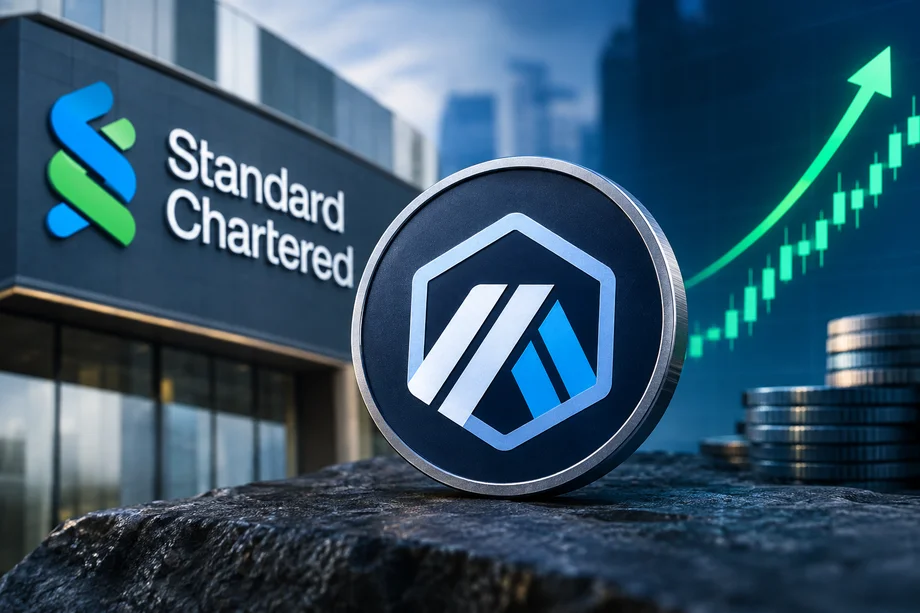
Bank projects gradual climb from $0.50 this year to $10 by decade end, citing institutional adoption and revenue from external chains, while token gains amid broader crypto sell-off
Standard Chartered has initiated coverage of Arbitrum’s ARB token with a long-term price target of $10 by the end of 2030, outlining a multi-year path that would represent roughly a 60- to 70-fold increase from recent levels near $0.14 to $0.16. The forecast, issued by the bank’s global head of digital assets research Geoff Kendrick, arrives as ARB posted double-digit gains while the wider cryptocurrency market declined following a U.S. Senate procedural setback on digital asset legislation.
Bank’s Multi-Year Price Path and Core Thesis
According to the research note, Standard Chartered expects ARB to reach $0.50 by the close of 2026, followed by $1.50 in 2027, $3.50 in 2028 and $6.50 in 2029 before hitting $10 at the end of the decade. The bank described the projected trajectory as more constructive than its concurrent outlooks for ether and bitcoin over the same horizon.
Kendrick framed Arbitrum as enterprise-grade infrastructure suited for traditional finance institutions moving activity on-chain. A central element of the thesis is the Arbitrum Expansion Program, under which chains built on the network’s technology contribute 10 percent of their net protocol revenue back to the Arbitrum ecosystem. Robinhood Chain, which went live in early July using Arbitrum’s stack, serves as an early example. Standard Chartered estimated that this activity helped lift Arbitrum’s monthly revenue run rate to approximately $5 million by September, about five times the level prior to the launch and above a previous monthly record of $4.4 million set in October 2025.
The bank also pointed to growth in tokenized assets as a longer-term driver. One projection cited in related analysis put the overall tokenized asset market at $4 trillion by the end of 2028, while another focused specifically on tokenized equities expanding from roughly $3 billion currently to $750 billion by the same date. Arbitrum is expected to capture a portion of that activity through both its core network and expansion partners.
Structural Caveats and Token Supply
The research acknowledged a structural limitation: ARB confers governance rights but does not currently include a token burn mechanism or a direct claim on protocol revenue. Kendrick compared the setup to tokens such as AAVE and LINK, noting that a buyback program could become more probable as the ecosystem matures and revenue scales. On the supply side, approximately 92.3 percent of the maximum 10 billion ARB tokens have already vested, with the final tranche scheduled for March 2027.
Recent Price Action and Market Context
ARB advanced between roughly 12 percent and 22 percent over a 24-hour period, trading near $0.15 to $0.16, even as total crypto market capitalization fell more than 6 percent to about $2.60 trillion. The broader decline followed the Senate’s failure, by a 49-50 vote, to advance cloture on the Digital Asset Market Clarity Act, which required 60 votes. Bitcoin traded near $75,856 while other major tokens posted losses.
Trading volume in ARB rose sharply, in one report by nearly 300 percent to around $650 million, and open interest increased more than 30 percent. Technical analysis across sources indicated that the token had broken a multi-month descending trendline earlier, with subsequent price action testing the $0.15 area after a pullback from near $0.20. Near-term resistance levels were identified around $0.18 to $0.20, with potential extension targets near $0.23 to $0.25 if buying pressure continues. Support was noted in the $0.13 to $0.14 zone.
Separately, market data showed Flow Traders withdrawing nearly 12 million ARB from Binance over the course of a week, including a single transfer of about 1.38 million tokens. Such movements can reflect custody transfers, liquidity management or other operational activity and do not by themselves confirm directional positioning.
Institutional and Network Drivers
Beyond the revenue-sharing model, sources linked Arbitrum’s longer-term prospects to broader institutional interest in blockchain-based settlement and tokenized real-world assets. The combination of core network fees, expansion program contributions, treasury-related returns and other mechanisms such as express-lane auctions was presented as forming a diversified revenue base. Realization of the bank’s targets would require continued growth in network usage, successful adoption by additional financial institutions and conversion of ecosystem activity into sustained economic value for the token.
As of mid-September 2026, ARB remained well below the intermediate milestones set out by Standard Chartered, with year-to-date performance still negative despite recent strength and a roughly 120 percent advance over the prior 30 days in one data set. Market participants continue to monitor both on-chain activity metrics and the token’s ability to hold key technical levels amid fluctuating overall crypto sentiment.

Disclaimer
This article was generated by AI using information from multiple industry sources. It has not been reviewed or verified by a human editor and may contain inaccuracies, omissions, or misinformation. Readers are encouraged to independently verify any information before making decisions based on its content.Tired of the noise?
Let the bots trade for you.
Trade 24/7, without emotion, with data-driven strategies.
Associated articles

Standard Chartered Initiates Ethena Coverage With $2 ENA Target by 2028

Arbitrum Builds Strength Through Robinhood Chain Partnership and Fee Model Changes
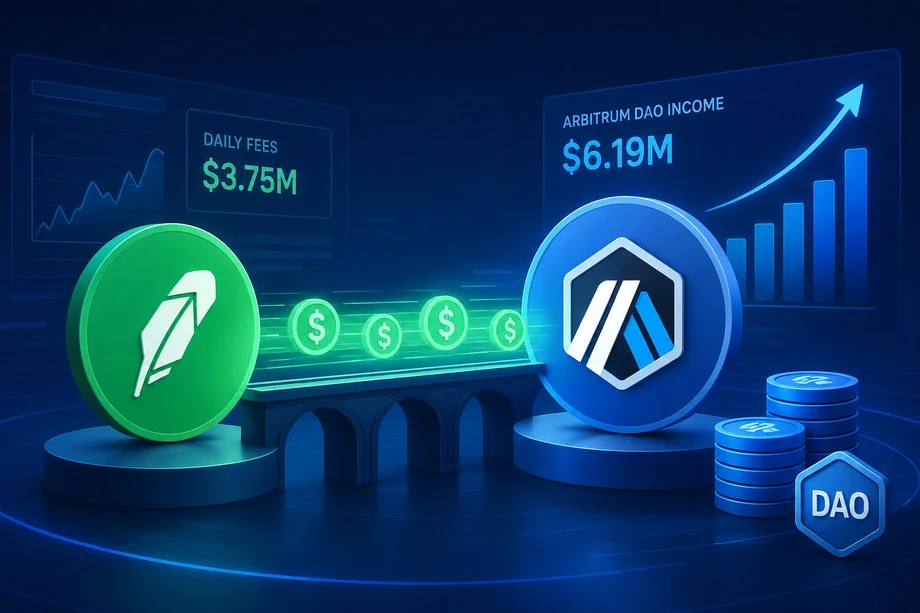
Robinhood Chain Posts Record $3.75 Million Daily Fees as Arbitrum DAO Reports $6.19 Million First-Half Income
Grayscale Sees Hyperliquid Token as Undervalued Amid Institutional Selling Pressure
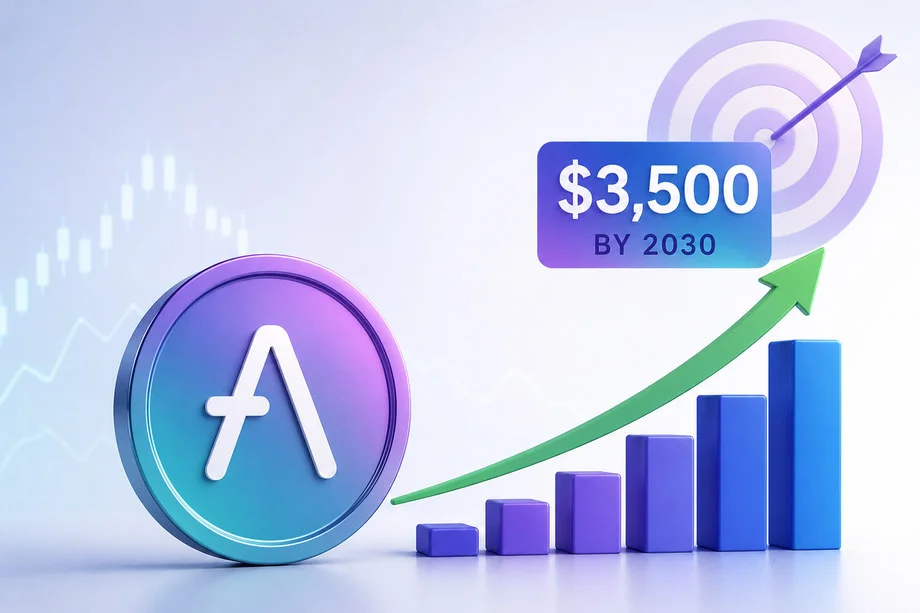
Standard Chartered Forecasts $3,500 AAVE Target by 2030 on DeFi and Tokenization Growth
Latest articles
Canada Launches Consultation on Stablecoin Rules With Yield Ban Intact

Chainlink Unveils CustodySync to Unlock Institutional Access to DeFi Lending

BNB Standard Rings Nasdaq Opening Bell to Mark Rebrand and New CEO

Verizon Raises 2026 Outlook After Strong Subscriber Gains and $2 Billion AWS AI Deal