Newsroom
SpaceX Stock Plunges Below IPO Price After Starship Launch Abort
18 July, 2026 / News / AI / Tags: abort, starship, engines, spacex, stock

SpaceX shares dropped over 5% following a Starship test launch abort due to engine issues, pushing the stock below its $135 IPO level amid ongoing market pressure
Stock Decline Accelerates on Launch Setback
SpaceX stock experienced a sharp decline after the Starship 13th test flight was halted seconds before liftoff. The abort occurred when multiple Raptor engines on the Super Heavy booster failed to ignite properly. This event added to selling pressure on a stock already in a multi-week downturn.
Shares opened lower and traded near $126, marking losses for several consecutive sessions. The stock has fallen roughly 45% from its post-IPO peak above $200, erasing substantial market value. At one point during the decline, the company lost more than $1 trillion in capitalization from its recent high.
- Starship abort triggered by engine ignition failure
- Stock closed below $135 IPO price for the first time
- Trading volume remained elevated across platforms
- Next test flight targeted for July 20
Details of the Starship Launch Abort
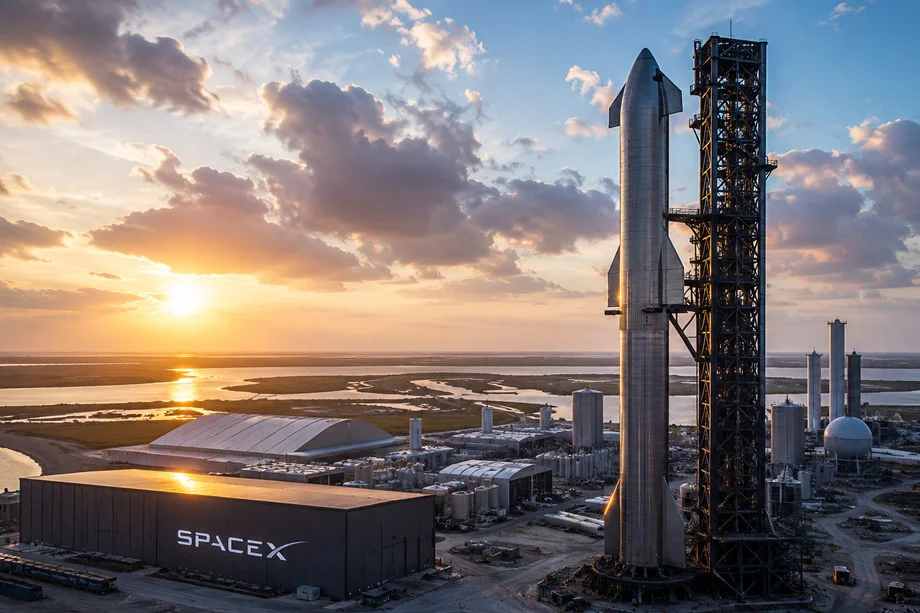
The launch attempt at Starbase in Texas stopped during the ignition sequence. Telemetry indicated that four of the 33 Raptor engines did not start, activating the automated safety system. SpaceX teams proceeded to safe the vehicle by offloading propellant.
Musk later stated that two Raptor engines would be replaced to ensure a reliable flight. The company reset the schedule for Monday, July 20, at 6:45 p.m. ET. The mission had been set to carry upgraded Starlink satellites and advance vehicle development goals, including stage separation and landing burns.
Broader Market Reaction and Context
The stock's performance follows its record IPO earlier in June, which raised significant funds and initially drove strong gains. Enthusiasm cooled as profit-taking set in, and recent technical issues with Starship testing contributed to the slide. SpaceX joined the Nasdaq-100 index, attracting more institutional focus, but that has not prevented the recent losses.
Market voices offered differing views. Some described the selloff as an overreaction to a short-term delay, while others noted potential questions around execution timelines. Starship remains a core part of NASA’s Artemis program for lunar missions.
Impact on Elon Musk’s Net Worth
The stock decline directly affected Elon Musk’s estimated wealth. His net worth fell to approximately $997 billion, dropping below the trillion-dollar mark. SpaceX holdings form the largest part of his fortune. At its recent peak, Musk’s wealth had reached nearly $1.45 trillion when shares traded above $200.
| Milestone | Approximate Net Worth | Stock Context |
|---|---|---|
| Recent Peak | $1.45 trillion | Shares above $200 |
| Current | $997 billion | Below IPO price |
Starship Program and Future Outlook
Starship serves as a key asset for SpaceX’s long-term objectives, including satellite deployment and deep-space missions. The FAA had recently cleared the company for resumed testing after reviewing a prior flight. Engineers continue work on vehicle improvements between attempts.
Additional factors include potential AI-related contracts, such as discussions with the Pentagon for computing resources, and upcoming earnings reports. A large share unlock is also scheduled for early August.
- Down over 5% on the day of the abort
- Multiple sessions of consecutive losses
- Significant reduction from all-time highs

Disclaimer
This article was generated by AI using information from multiple industry sources. It has not been reviewed or verified by a human editor and may contain inaccuracies, omissions, or misinformation. Readers are encouraged to independently verify any information before making decisions based on its content.Tired of the noise?
Let the bots trade for you.
Trade 24/7, without emotion, with data-driven strategies.
Associated articles

Cathie Wood's ARK Invest Adds $18.3M to SpaceX Stake at Post-IPO Low

SpaceX Shares Climb as Starship Targets First Orbital Flight on September 22

Morgan Stanley Reaffirms $300 Target for SpaceX Shares as Stock Climbs on AI Valuation Case
SpaceX to Invest $100 Billion in Louisiana Spaceport, Aiming for World's Largest Launch Site
SpaceX Shares Sink to Post-IPO Low Ahead of Earnings and Share Unlock
Latest articles

SpaceX and Tesla Set Up Committees to Explore Merger That Would Combine Holdings of Over 30,000 Bitcoins

UK Banks Face Thousands of Complaints Over Crypto Transfer Restrictions

Ripple Backs SEC Proposed Crypto Asset Rules After $150 Million Legal Battle

Blockchain.com Introduces Options Trading on Seven Major Crypto Assets