Newsroom
Solana Records Highest Token Burn in Months as Validators Vote on Supply Cuts
24 August, 2026 / News / AI / Tags: burn, solana, sgp, proposals, sol

Daily SOL destruction hit 87,000 tokens on August 21 amid rising network use, while three governance proposals aim to accelerate inflation reduction and boost permanent fee burns
Solana’s network destroyed 87,000 SOL on August 21, marking the largest single-day token burn in nearly seven months. The figure stood more than 130 times above the chain’s typical daily burn of roughly 648 to 650 SOL. The surge coincided with elevated on-chain activity, including higher transaction volumes and growing decentralized finance usage.
Under Solana’s current design, half of base transaction fees are automatically removed from circulation. Ordinary days produce burns valued near $47,000. The August 21 jump therefore signaled a clear increase in demand for block space rather than any isolated technical event.
Drivers Behind the Spike
Analysts linked the elevated burn to broader network participation. Infrastructure providers, liquidity platforms and treasury-holding organizations active on Solana contributed to the higher fee generation. Daily new issuance remains around 60,000 SOL, so any sustained rise in burns narrows net inflation and tightens circulating supply.
Market participants noted the development as evidence of genuine usage. Prediction markets registered a modest shift: the probability assigned to SOL reaching $160 by September 1, 2026 rose from 1 percent to 1.4 percent within 24 hours of the burn data appearing.
Validators Weigh Three Governance Proposals
At the same time, Solana validators opened voting on three proposals that began Sunday and continue until approximately 15:30 UTC on Thursday. Voting power is proportional to staked SOL, so both operators and delegating holders participate.
SGP-0002 would accelerate the existing inflation schedule. Solana currently reduces new token creation by 15 percent each year; the measure would raise that rate to 30 percent, allowing issuance to reach its floor earlier.
SGP-0003 redesigns transaction fees. A fixed component would go to the block producer while a second portion, scaled to computational resources consumed, would be permanently burned. Estimates place the resulting daily burn between 7,500 and 9,000 SOL, a range that at recent prices could reach several hundred thousand dollars.
The third measure, SGP-0001, would ratify a Solana Constitution that formalizes governance procedures and activates the software already used for these votes. Until now, major protocol changes have been coordinated informally among developers and large operators. The concurrent timing creates an unusual sequence: the two supply proposals are being decided under a voting system whose formal approval is still pending.
Market Context and Near-Term Outlook
SOL traded above $96 early Monday, higher by 1.6 percent over the prior 24 hours and approximately 28 percent across the past week. Neither of the supply proposals directly addresses demand for the token; their effect would come through slower issuance and higher permanent destruction of existing SOL.
Validators have expressed interest in cost predictability and the potential effect of altered burn mechanics on staking rewards. Outcomes of the votes are expected to shape Solana’s supply trajectory and validator economics in the months ahead. Future burn levels will continue to depend on actual network usage and the final status of the fee and inflation proposals.

Disclaimer
This article was generated by AI using information from multiple industry sources. It has not been reviewed or verified by a human editor and may contain inaccuracies, omissions, or misinformation. Readers are encouraged to independently verify any information before making decisions based on its content.Tired of the noise?
Let the bots trade for you.
Trade 24/7, without emotion, with data-driven strategies.
Associated articles
Solana Validators Approve Faster Disinflation Schedule in Narrow Vote
Robinhood Chain Hits $3B DEX Volume, Driving Record $1.15M UNI Burn
Uniswap Governance Votes on V4 Fees and Robinhood Chain Expansion
Solana Targets 150-Millisecond Finality With Alpenglow Consensus Upgrade on October 21
Arbitrum Builds Strength Through Robinhood Chain Partnership and Fee Model Changes
Latest articles
SpaceX and Tesla Set Up Committees to Explore Merger That Would Combine Holdings of Over 30,000 Bitcoins
UK Banks Face Thousands of Complaints Over Crypto Transfer Restrictions

Ripple Backs SEC Proposed Crypto Asset Rules After $150 Million Legal Battle
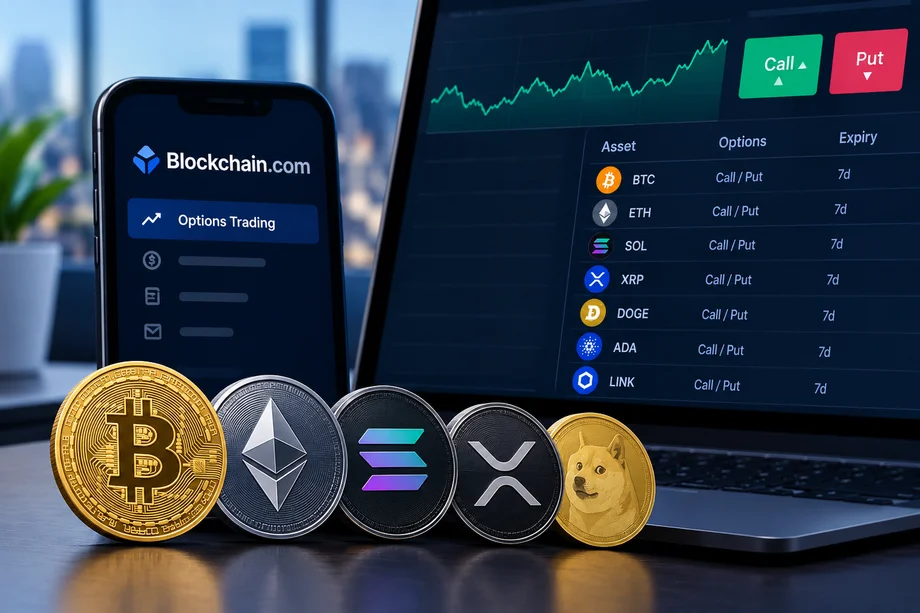
Blockchain.com Introduces Options Trading on Seven Major Crypto Assets