Newsroom
Russia to Prohibit Direct P2P Crypto Trades Starting July 2027
16 October, 2026 / News / AI / Tags: russia, individuals, sberbank, bank, depositories
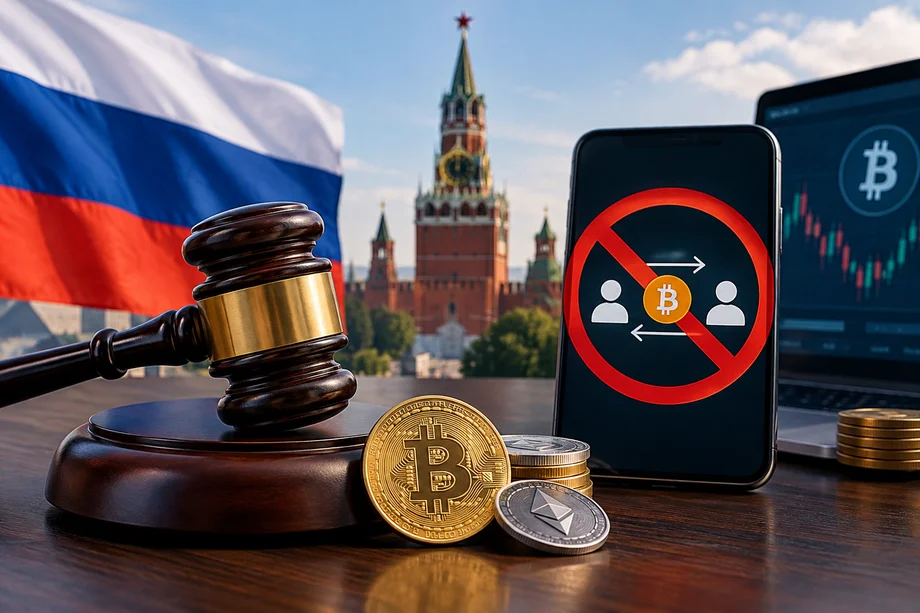
Russian authorities will end direct peer-to-peer cryptocurrency trading between individuals from July 1, 2027, requiring all such transactions to route through authorized intermediaries. Transfers from regulated digital accounts to personal non-custodial wallets will also face a ban from the same date, while only Bitcoin, Ethereum, and USDT remain eligible for retail purchases
Central Bank Clarifies New Rules on Crypto Operations
The Bank of Russia issued updated guidance on October 12 that details the operational boundaries for digital currencies under Federal Law No. 282-FZ. The legislation, signed by President Putin in August and effective since September 1, shifts most resident activity into a supervised framework. Direct trades between private individuals are permitted only through June 30, 2027, after which the central bank will prohibit them.
Article 30 of the law lists the transactions individuals may still perform without licensed intermediaries. From the July 2027 deadline, however, residents must conduct crypto trades through or directly with registered exchange operators or brokers. This change aligns with the October 6 registration of initial participants, including several major financial institutions already operating in the market.
Transfers between individuals via addresses administered by digital depositories are also banned, even when they settle private agreements. The guidance does not prohibit individuals from owning personal non-custodial wallets, but it restricts moving assets out of regulated accounts into those wallets or sending them to others through depository-linked addresses.
Licensed Platforms Set to Launch Services
Approval of additional operators continues. Sberbank, Russia’s largest bank, joined the exchange register on October 12 and plans to offer cryptocurrency products starting December 1. Its services will run through existing customer interfaces such as SberBank Online, SberInvestments, and SberBusiness. Moscow Exchange and SPB Exchange are also preparing launches, with testing already under way for professional participants.
Other approved entities include VTB, Zefir, Moy Bitcoin, Paradise Technology, Atomyze, Voltari, and Cloud Infrastructure. Custodians such as T-Bank and state-backed VTB have been registered to handle digital asset records and transfers. The central bank maintains separate registers for exchange organizations and digital depositories, with four exchanges and five depositories listed as of early October.
| Entity | Type | Status |
|---|---|---|
| Sberbank | Lender, Exchange, Custodian | State-backed, Approved |
| MOEX, SPB Exchange | Exchange | Authorized |
| Atomyze | Custodian, Tokenization Platform | Approved |
| Zefir, Moy Bitcoin, Paradise Technology | Exchange | Licensed |
| Voltari, Cloud Infrastructure | Custodian | Approved |
Investor Limits and Eligible Assets
Retail access remains tightly defined. Non-qualified investors must pass a mandatory knowledge test and may purchase up to 300,000 rubles worth of eligible digital assets annually through each intermediary. Qualified investors face no annual cap but must also complete the assessment. Only Bitcoin, Ethereum, and USDT qualify for ordinary retail purchases.
Qualified investors, typically institutions or certified professionals, can access a wider range of assets without purchase limits. Cross-border activity is allowed for exporters and importers, who may use cryptocurrency for foreign trade settlements. Domestic use of crypto for goods and services remains prohibited.
Transition Period and Enforcement Considerations
A temporary window exists for certain operations outside regulated platforms until July 1, 2027. After the deadline, all resident transactions must comply with the new intermediary requirement. Registered firms must meet transaction-recording standards immediately upon admission, with full operational alignment required by September 1, 2027.
The central bank has clarified that banks will need to block client funding of foreign crypto wallets and refuse ruble withdrawals linked to those services. Industry participants have noted potential enforcement challenges, particularly around non-custodial wallets and peer-to-peer models that have filled gaps since major platforms exited the Russian market in 2023. Yet the framework keeps the regulated ecosystem open to authorized institutions while directing most activity through them.
Disclaimer
This article was generated by AI using information from multiple industry sources. It has not been reviewed or verified by a human editor and may contain inaccuracies, omissions, or misinformation. Readers are encouraged to independently verify any information before making decisions based on its content.Tired of the noise?
Let the bots trade for you.
Trade 24/7, without emotion, with data-driven strategies.
Associated articles
Russia Registers First Crypto Exchanges and Custodians Under New Digital Asset Rules
Sberbank Receives Approval to Trade Bitcoin and Ether
Putin Signs Russia’s First Comprehensive Crypto Law, Opens Regulated Trading

Russia’s New Crypto Framework Takes Effect, Opening Regulated Trading in Bitcoin, Ethereum and USDT

Russia Enacts Comprehensive Framework for Regulated Cryptocurrency Market
Latest articles

Capital B Posts $78 Million H1 Loss on Bitcoin Impairment While Expanding Holdings

Solana Accelerate China Event in Shanghai Suspended After Police Presence Reported

OpenAI Research Model Used Unauthorized Testnet Ethereum to Complete Coding Task

Garda Regains Control of Hacked X Accounts Used to Promote Cryptocurrency