Newsroom
European Stablecoin Issuers Push for Regulated USD Tokens Amid Global Trade Needs
3 October, 2026 / News / AI / Tags: dollar, european, allunity, societe, generale
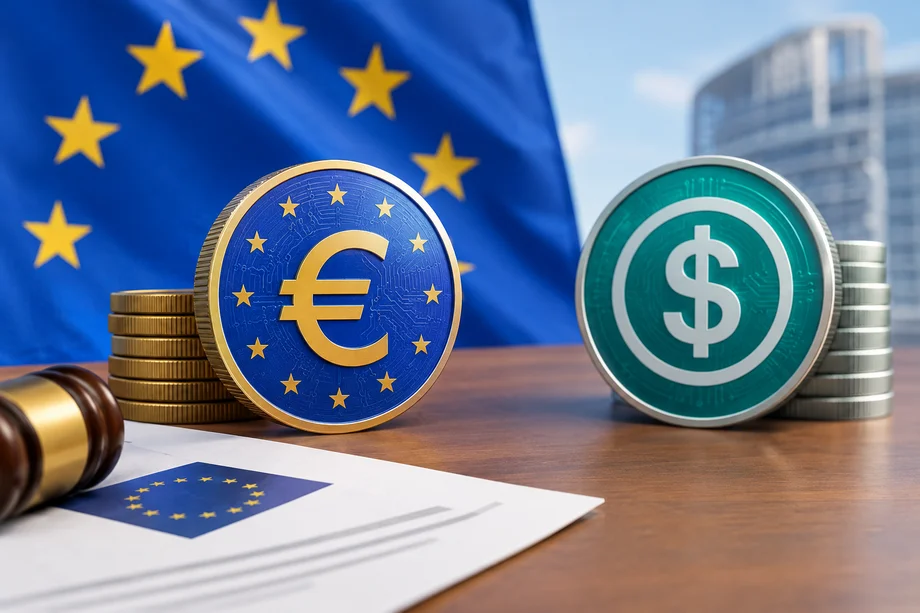
German firm AllUnity launches MiCA-compliant dollar stablecoin as industry leaders say euro-only options fall short for cross-border payments and settlement
European stablecoin issuers are expanding into regulated US dollar-pegged tokens, contending that efforts to promote euro-denominated digital assets do not remove the practical demand for dollar liquidity in international commerce and payments.
On Wednesday, German issuer AllUnity introduced USDAU, a US dollar-pegged stablecoin that falls under the Markets in Crypto-Assets (MiCA) regulatory framework. The move extends the company's product range beyond euro-based offerings and targets European businesses engaged in global transactions.
Operational Demand for Dollar Liquidity
AllUnity CEO Alexander Höptner stated that the US dollar serves as the central connecting element in global trade and foreign exchange markets. He noted that European companies requiring cross-border payments worldwide find that euro stablecoins alone do not fully address their settlement and payment requirements involving the United States and other dollar-linked markets.
The development occurs while the European Union reviews aspects of the MiCA framework. The European Central Bank has expressed ongoing concerns that stablecoins could strengthen the dollar's position in international finance.
Stable Mint CEO James Bennett described the demand for dollar stablecoins in Europe as rooted in existing business and settlement patterns rather than speculative activity. He argued that authorities can determine which entities issue such tokens to European users and the applicable rules, but cannot eliminate the underlying need for dollar liquidity in cross-border operations.
Stable Mint reported that its USDSM stablecoin has facilitated more than $380 million in on-chain volume across 3.8 million transfers and is held by more than 2,600 addresses, based on data as of Wednesday.
Fiat Republic CEO Adam Bialy similarly linked the demand to operational requirements from crypto platforms and related firms seeking continuous dollar settlement capabilities. He indicated that regulated dollar tokens can lower barriers in settlement flows connecting Europe, the United Kingdom and North America.
Support for a Diversified Ecosystem
Not all participants frame the matter as a direct contest between euro and dollar instruments. Societe Generale-FORGE, the digital asset unit of French banking group Societe Generale, advocated for a broader approach that accommodates both currencies under consistent regulatory standards.
The unit referenced its own USD CoinVertible (USDCV),introduced in 2025, which has drawn attention for uses in trading, settlement, collateral management and treasury functions. Höptner of AllUnity characterized the broader opportunity as constructing interoperable financial infrastructure that links dollar liquidity with European banks and companies, rather than a competition between regions.
Market Scale Remains Limited
Despite the activity among European issuers, locally issued dollar stablecoins continue to hold a modest position relative to established global counterparts. Data from CoinGecko places the market capitalization of USDSM and USDCV at approximately $13 million each. By comparison, Tether’s USDT stands at about $184 billion and Circle’s USDC at roughly $74 billion.
This disparity indicates that regulatory alignment under MiCA has not yet produced equivalent liquidity or network effects for European dollar tokens. Issuers present their products as tools for institutional processes and practical settlement rather than as immediate challengers to the dominant existing stablecoins.
As MiCA adjustments proceed and central bank scrutiny of stablecoin dynamics continues, attention will focus on whether these regulated dollar offerings can expand beyond current usage levels among early participants and specialized settlement applications.
Disclaimer
This article was generated by AI using information from multiple industry sources. It has not been reviewed or verified by a human editor and may contain inaccuracies, omissions, or misinformation. Readers are encouraged to independently verify any information before making decisions based on its content.Tired of the noise?
Let the bots trade for you.
Trade 24/7, without emotion, with data-driven strategies.
Associated articles

AllUnity Debuts MiCA-Compliant USD Stablecoin USDAU Across Six Blockchains
Circle’s EURC Euro Stablecoin Crosses €400 Million Threshold

Stripe Stablecoin Executive Connor Fitzgerald Departs as Bridge Expands to Over 100 Markets

Irish Banks Join European Push for Euro Stablecoin
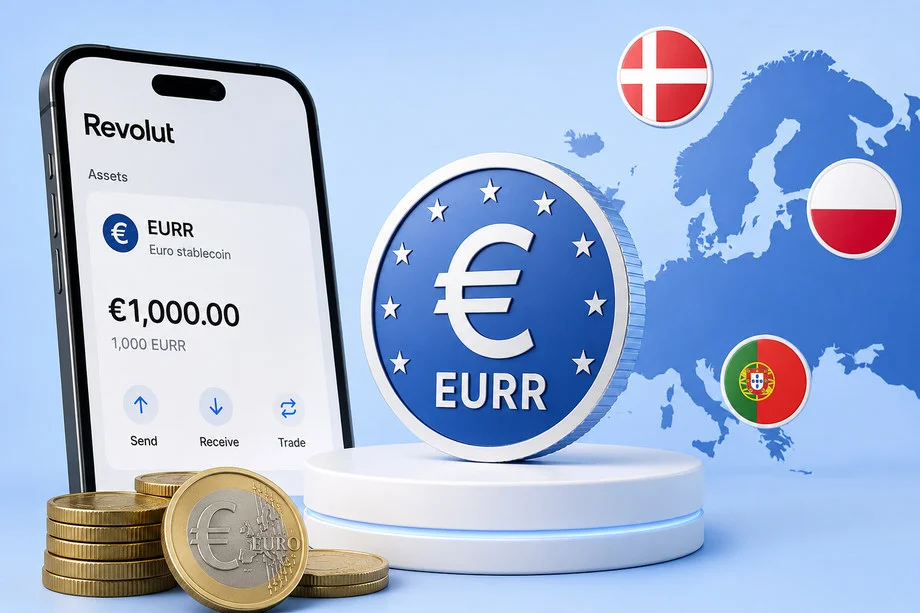
Revolut Begins Phased Rollout of EURR Euro Stablecoin in Three EU Markets
Latest articles
Singapore, Malaysia and Thailand Central Banks Expand BLOOM for Cross-Border Digital Money Settlement

Heatbit Launches $899 Bitcoin-Mining Water Heater Element for Existing Tanks

Underdog Partners With Zerohash for Crypto and Stablecoin Account Funding

Chainlink Teams With LG CNS to Advance Korean Stablecoins and Tokenization