Newsroom
Brazil’s B3 Joins Major Banks to Launch Real-Pegged Stablecoin Open BRL
27 November, 2026 / News / AI / Tags: brl, brazil, brazilian, open, masag

B3 and six leading Brazilian financial institutions plan to introduce Open BRL, a one-to-one real-backed stablecoin for payments and digital asset settlement, targeting a first-quarter 2027 launch
Brazil’s stock exchange operator B3 has partnered with six major financial firms to create Open BRL, a stablecoin pegged to the Brazilian real. The initiative aims to provide a shared, neutral digital token for moving funds and settling trades involving digital assets across competing institutions.
The participating banks are Bradesco, BTG Pactual, Itaú Unibanco, Safra, Santander and XP. Banco B3 will issue the token and hold the corresponding real reserves. Holders can redeem one Open BRL for one real at any time. Other financial institutions will be able to join the platform from the first day of operations.
Shared Infrastructure for Interbank Transfers
Discussions among the partners began about three months earlier. The firms recognized that separate stablecoins issued by individual banks risked limited acceptance among rivals. Banks will continue operating their own tokens for internal purposes, while Open BRL is designed for transfers between them through B3’s infrastructure.
Luiz Masagão, B3’s vice president of products, said the goal is to open the initiative to the entire Brazilian financial market. The group will fund the venture and deploy Open BRL in their digital asset activities, though specific investment amounts were not disclosed.
B3 will operate the platform at launch. A steering committee will establish governance, operating rules, technology standards and pricing. As the network expands, the partners may convert the structure into an independent company.
Support for Tokenized Securities Settlement
B3 intends to use Open BRL to settle trades of tokenized stocks on a digital equities platform it is developing. Because the token operates on a blockchain, transfers between wallets can activate smart contracts that automate settlement processes.
The project has been presented to Brazil’s central bank and operates within existing regulatory frameworks. Brazil’s Securities and Exchange Commission supports the effort due to its connection with tokenization initiatives.
Central bank rules that took effect in February require crypto platforms to obtain licenses and classify stablecoin transactions as foreign exchange operations. Separate licensing requirements specifically for local stablecoin issuers have not yet been established.
Current State of Brazil’s Stablecoin Market
Stablecoins already represent a large share of reported crypto activity in Brazil. Tax authority data show Brazilians declared the equivalent of roughly $70 billion in stablecoin trades during 2025, accounting for about 80 percent of all reported crypto volume that year. Tether’s USDT accounted for nearly 90 percent of that activity.
Real-pegged stablecoins remain a smaller segment. Verified on-chain supply across publicly tracked real-backed tokens stands near $71 million, with total estimated supply across more than ten retail and institutional tokens previously reported above $140 million. One token, BRL1, currently holds a market capitalization of about $3.4 million.
Open BRL is positioned to serve institutional payments and settlement needs rather than compete directly in the retail segment currently dominated by dollar-denominated tokens.
Disclaimer
This article was generated by AI using information from multiple industry sources. It has not been reviewed or verified by a human editor and may contain inaccuracies, omissions, or misinformation. Readers are encouraged to independently verify any information before making decisions based on its content.Tired of the noise?
Let the bots trade for you.
Trade 24/7, without emotion, with data-driven strategies.
Associated articles
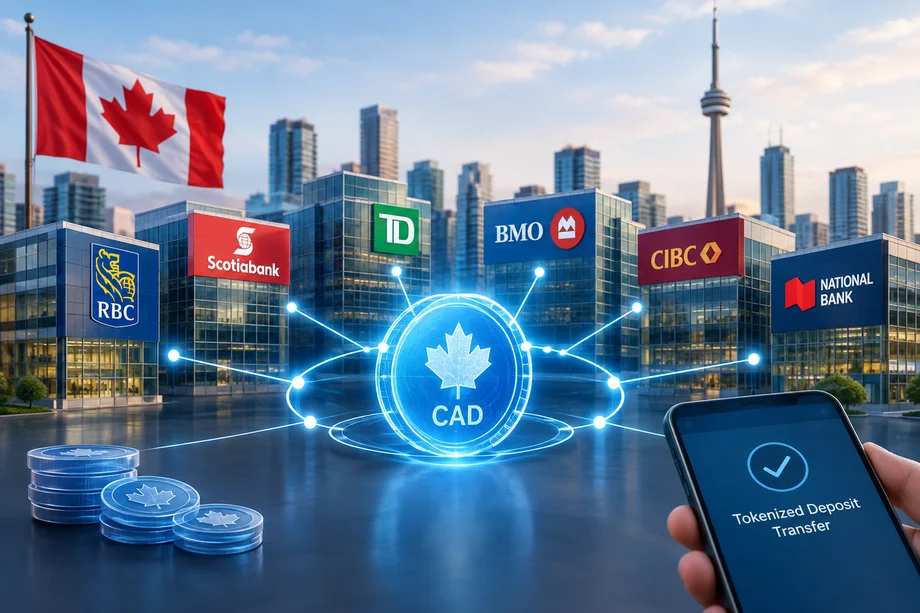
Canada’s Big Six Banks Launch Pilot for Shared Tokenized CAD Deposits
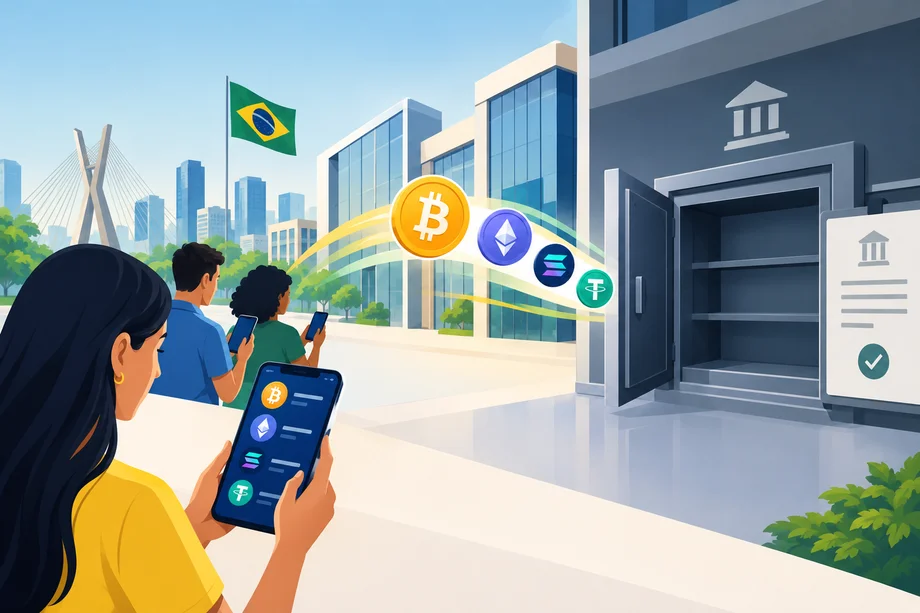
Brazilian Banks Broaden Crypto Access as Market Hits $98.7 Billion

Major Banks Advance Plans for Stablecoin Issuance Amid Rising Competition
Injective Partners with BDACS to Launch KRW1 Won Stablecoin for Tokenized Asset Settlement

Itaú Unibanco Joins Brazil Pilot to Tokenize Bonds and Investment Funds
Latest articles

Cardano Targets Q1 2027 for Dijkstra Hard Fork and LayerZero Integration
Arthur Hayes Warns of Potential Crypto Sell-Off Over Weekend as Fed Blackout Begins

OpenAI Countersues Apple in Escalating Trade Secrets and Hiring Dispute

Bluefin Ends Perpetual Futures Trading on Sui, Shifts Focus to Spot and Tokenization