Newsroom
Binance Brasil Secures Third Regulatory License as Foreign Exchange Broker
28 November, 2026 / News / AI / Tags: brasil, brazil, binance, foreign, virtual
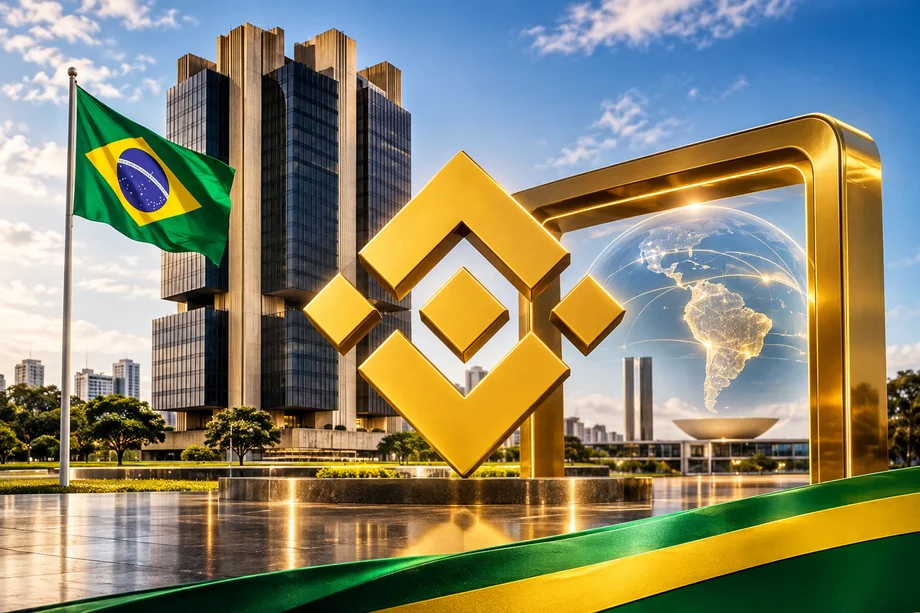
Binance Brasil has received approval from Brazil’s Central Bank to operate as a foreign exchange broker. The third license granted to the local entity may lift certain international crypto transfer limits to $500,000 for qualifying users
Binance Brasil Earns Foreign Exchange Broker License
Binance Brasil Corretora de Câmbio e Valores Mobiliários S.A. has been granted authorization to participate in Brazil’s foreign exchange market. The decision came from the Central Bank of Brazil on November 23, 2026, and was published the next day in the Official Gazette under administrative process 311129.
This approval marks the company’s third regulatory license in the country. It joins existing authorizations for securities distribution and electronic money issuance. Binance Brasil is now the first native virtual asset platform in Brazil to receive foreign exchange broker status.
The license opens new avenues for cross-border transactions involving virtual assets. Brazil’s largest virtual asset market stands to benefit from enhanced local compliance and service offerings.
Potential Increase in International Transfer Limits
Eligible brokerages such as Binance Brasil can process international virtual asset transfers up to $500,000 per transaction when the counterparty lacks foreign exchange authorization. The current cap for standalone virtual asset service providers remains $100,000.
The higher limit is not yet active and has not been confirmed for every account. Binance plans to notify qualifying users through the app or account updates when the change takes effect.
Binance Brasil has received its third license in the country from the Central Bank of Brazil, now as a foreign exchange broker. A step forward in our commitment to compliance and better financial products for local users.
Regulatory Framework and Existing Operations
Brazil’s rules on international payments and transfers involving virtual assets took effect on February 2, 2026, through Resolution BCB No. 521. These transactions fall under foreign exchange oversight, including certain stablecoin activities. Since November 1, Binance has required Brazilian users to state the purpose of each transfer and identify the counterparty.
Binance Brasil was established after regulatory approval of the acquisition of Sim;paul in December 2024. The company has been reorganizing its Brazilian business, including opening individual payment accounts for local users to handle real currency transactions.
On October 29, customers gained access to these accounts while continuing to use existing crypto deposit addresses. Certain products such as margin trading, crypto loans, and cloud mining were restricted for Brazilian residents earlier that month.
Pending Applications and Next Steps
A separate entity within the Binance group, BBrasil Sociedade Prestadora de Serviços de Ativos Virtuais, has submitted an application to operate as a virtual asset service provider. The request remains under review by the Central Bank of Brazil.
Binance continues to engage with local authorities to expand its regulatory footprint in Latin America. Users in Brazil are advised to monitor the app for updates and prepare transaction details for compliance requirements.
| License Type | Status |
|---|---|
| Foreign Exchange Broker | Approved November 23, 2026 |
| Securities Broker | Previously granted |
| Electronic Money Issuer | Previously granted |
| Virtual Asset Service Provider | Application under review |
Broader Implications for Brazilian Crypto Users
The new license positions Binance Brasil to support larger cross-border flows while maintaining strict compliance standards. Local users may benefit from improved access to international financial services as the platform evolves.
Other financial institutions in Brazil are also advancing regulated offerings in digital assets. The sector continues to mature under central bank supervision, with stablecoin initiatives and payment innovations on the horizon.
Disclaimer
This article was generated by AI using information from multiple industry sources. It has not been reviewed or verified by a human editor and may contain inaccuracies, omissions, or misinformation. Readers are encouraged to independently verify any information before making decisions based on its content.Tired of the noise?
Let the bots trade for you.
Trade 24/7, without emotion, with data-driven strategies.
Associated articles
Binance Applies for Brazil Crypto License Ahead of October 30 Deadline
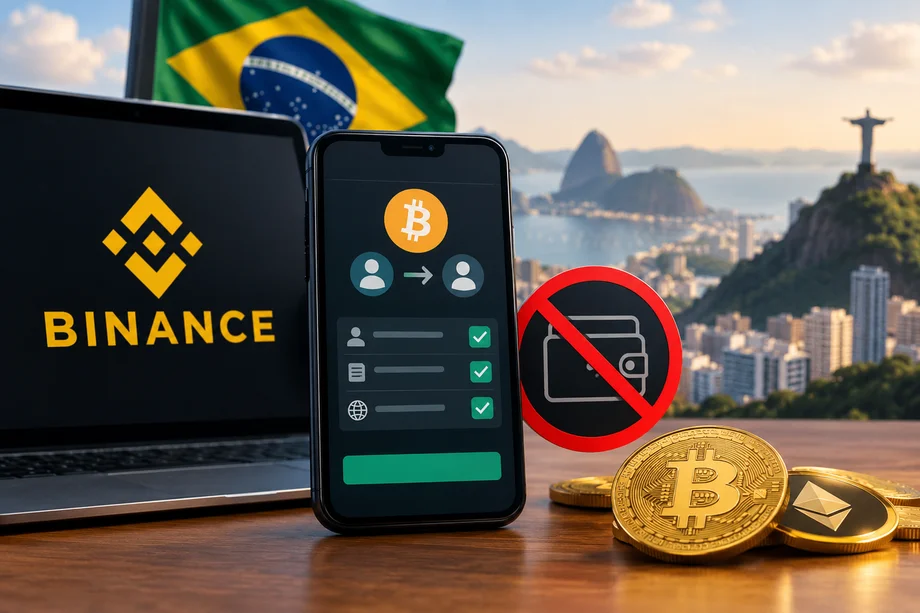
Binance Requires Purpose and Counterparty Details for Brazilian Cross-Border Crypto Transfers From Nov. 1
Binance Delists 22 Tokens and Restricts Eight Services for Brazilian Customers
Brazilian Banks Broaden Crypto Access as Market Hits $98.7 Billion
Brazil Central Bank Flags Stablecoin Transfers as Potential Money Laundering Risk
Latest articles

Binance Hackers Route Over $600 Million Through THORChain as Laundering Efforts Widen
Binance Auto-Closes WLFI Futures as Open Interest Drops 77% in 90 Minutes

Binance Founder Zhao Weighs Legal Action Over Netflix's Portrayal of Him in FTX Drama
Bybit Withholds Full Postmortem of $1.4 Billion February 2025 Hack