Newsroom
Binance Applies for Brazil Crypto License Ahead of October 30 Deadline
28 October, 2026 / News / AI / Tags: binance, brazil, brazilian, october, thiago

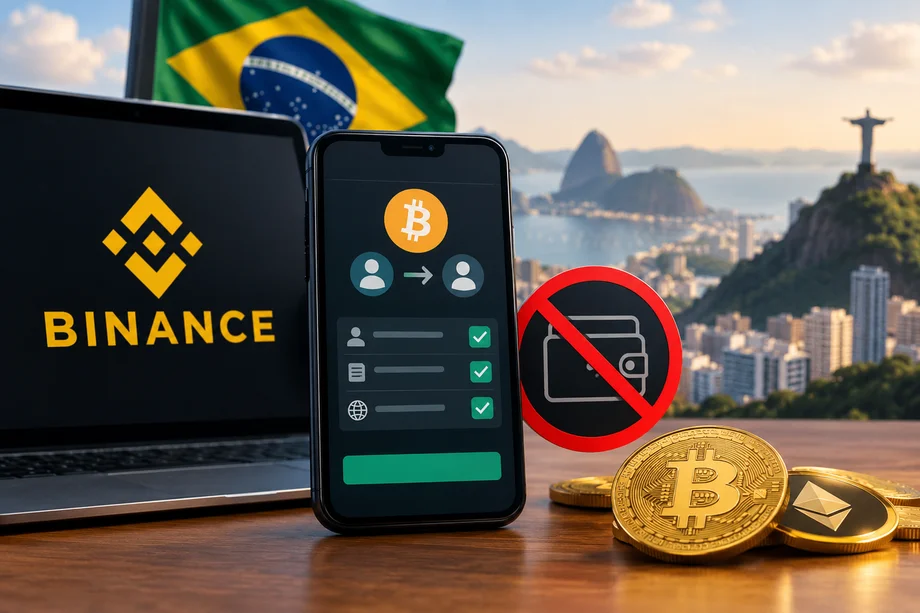
Binance has filed for a cryptocurrency service provider license with Brazil’s central bank as the regulatory cutoff approaches, while restricting several services and delisting 22 assets for local users
License Application Filed Through Local Entity
Binance submitted an application on October 23 to the Central Bank of Brazil via its local subsidiary BBrasil for authorization as a virtual asset service provider. The move comes as existing operators face a deadline of October 30 to request transitional arrangements that allow continued operations while the regulator reviews submissions.
The filing aims to preserve access for Brazilian users to crypto assets, stablecoin trading, payments and investment services. Brazilian authorities clarified that the application itself does not grant approval, and any continuation beyond the transitional period will depend on the outcome of the review process.
Service Adjustments Underway for Brazilian Users
Binance has already implemented changes for users in the country, effective October 27. The exchange restricted eight services, including crypto lending, margin trading, Binance Pool, Cloud Mining, Launchpool, Megadrop, HODLer Airdrops and Alpha 2.0. Existing positions in affected areas can generally remain open but new orders or activity in those categories are suspended, with specific closure rules varying by product.
Additionally, the platform is removing 22 cryptocurrencies from trading in Brazil. These include assets such as USDe, TerraClassicUSD, MANTRA, Zilliqa, Ravencoin, Verge and Secret, among others. Users who hold the delisted tokens can continue accessing their balances and withdrawing or reinvesting them after trading access ends.
Restricted services include crypto lending, margin trading, Binance Pool, Cloud Mining, Launchpool, Megadrop, HODLer Airdrops and Alpha 2.0, with changes taking effect October 27.
Operational Restructuring for Compliance
To align with the new framework, Binance has separated its Brazilian operations into two entities. BBrasil will handle permitted cryptocurrency services, while Binance Brasil Corretora de Câmbio e Valores Mobiliários, the rebranded brokerage, manages fiat currency transactions, payments and traditional financial products. Customer migration to the new structure is scheduled to be completed by October 29.
The company plans to expand its offerings beyond digital assets, including bill payments, international transfers, foreign exchange services and access to US stocks and exchange-traded funds. These steps position Binance to compete more directly with traditional banks in the Brazilian market while seeking to reintroduce previously suspended products through ongoing dialogue with regulators.
Regulatory Timeline and User Implications
Brazil’s central bank requires all existing crypto service providers to submit authorization applications by October 30 to remain under transitional arrangements. Firms that miss the deadline risk halting cryptocurrency operations within 30 days. The regulator has emphasized standards covering capital, governance, security, compliance and customer protection.
Thiago Sarandy, Binance’s general manager in Brazil, stated that the exchange supports “a regulated market that considers the characteristics of virtual assets” and expressed hope that continued discussions with the Central Bank will allow the return of certain discontinued products.
Beyond the license process, new requirements for international crypto transfers take effect from November 1, including mandatory details on transaction purposes and counterparties for amounts above $50,000. These measures reflect broader efforts to strengthen anti-fraud controls and transparency in the Brazilian crypto market.
Broader Market Context
The filing comes as Brazil’s digital asset sector continues to evolve under new licensing rules. Other exchanges, including OKX, Bybit and Transfero, have also submitted applications, while some international and domestic providers have chosen to exit the market. Binance’s restructuring and product adjustments signal a strategy to maintain operations in one of Latin America’s largest crypto markets while adapting to heightened regulatory expectations.
| Event | Date |
|---|---|
| Application filed | October 23 |
| Service restrictions and delistings begin | October 27 |
| Customer migration to new entities | October 29 |
| Authorization deadline | October 30 |
| Enhanced transfer checks | November 1 |
Disclaimer
This article was generated by AI using information from multiple industry sources. It has not been reviewed or verified by a human editor and may contain inaccuracies, omissions, or misinformation. Readers are encouraged to independently verify any information before making decisions based on its content.Tired of the noise?
Let the bots trade for you.
Trade 24/7, without emotion, with data-driven strategies.
Associated articles

Binance Delists 22 Tokens and Restricts Eight Services for Brazilian Customers

Binance Trading Access Ends for French Users Following MiCA Deadline

Brazilian Banks Broaden Crypto Access as Market Hits $98.7 Billion
Binance Requires Purpose and Counterparty Details for Brazilian Cross-Border Crypto Transfers From Nov. 1

Argentine Crypto App Lemon Shuts Brazil Operations Over Licensing Capital Rules
Latest articles

YieldMax Announces Weekly ETF Distributions for Oct. 28 Ex-Dividend Date

Bithumb Probes Employee System Breach Amid Rising Cyberattacks on South Korean Finance Firms

Datavault AI Stock Plunges Nearly 50% After Bitcoin Access Failure and Accounting Restatement

Jason Calacanis Calls for Bitcoin Sell-Off, Forecasts $57,000 Retest and No New Highs