Newsroom
US Treasury Freezes $131 Million in Iran-Linked Crypto Wallets
15 July, 2026 / News / AI / Tags: iran, iranian, usdt, tether, wallets

The US Treasury Department, working with Tether, froze approximately $131 million in USDT held in four Tron network wallets connected to Iran’s Central Bank amid escalating regional tensions
Background of the Action
The Office of Foreign Assets Control (OFAC) took steps to sanction multiple cryptocurrency wallets tied to the Central Bank of Iran. This resulted in the freezing of funds primarily in the form of USDT stablecoins on the Tron blockchain. Treasury Secretary Scott Bessent confirmed the development, stating that the action targets what officials describe as Iran’s use of digital assets for illicit financial activities.
On-chain investigator Specter first noted the freezes on four Tron wallets holding the combined amount. Tether implemented the blocks on these addresses following coordination with US authorities. Bessent linked the wallets directly to the Central Bank of Iran in his public statement.
Timing and Regional Context
The freeze occurred as tensions between the US and Iran increased. US Central Command reported new military strikes on Iranian targets and the resumption of a naval blockade of Iranian ports. Iranian forces claimed drone strikes against US facilities in the region. These developments followed the breakdown of a previous ceasefire arrangement.
Officials positioned the crypto action within a larger set of measures aimed at restricting financial flows that could support sanctioned activities.
Connection to Previous Measures
This latest step builds on earlier enforcement actions. In April, Tether froze over $344 million in USDT across two Tron wallets that authorities connected to Iranian networks. That incident involved addresses with links to intermediaries and patterns associated with state-related activities.
US officials have referenced Operation Economic Fury, launched in March 2025, as the framework for these efforts. By May, authorities reported seizing or freezing nearly $1 billion in related crypto assets through the operation. In June, sanctions targeted several Iranian crypto exchanges, including Nobitex.
- March 2025: Operation Economic Fury begins
- April 2026: $344 million USDT freeze on Tron
- May 2026: Reports of nearly $1 billion in total actions
- July 2026: $131 million freeze announced
Role of Stablecoins and Blockchain Tracing
The use of USDT on Tron allowed for rapid tracing and blocking due to issuer controls and public ledger visibility. Tether has stated it collaborates with law enforcement agencies worldwide and maintains capabilities to restrict tokens at sanctioned addresses. Blockchain analytics firms like TRM Labs have supported such tracing efforts.
Funds in the recent case reportedly originated in part from withdrawals involving payment service provider DTC Pay and exchange Bitso, according to on-chain analysis.
Broader Sanctions Package
The crypto wallet designations formed part of a wider sanctions effort. OFAC targeted over 50 individuals, entities, and vessels linked to networks associated with Mohammad Hossein Shamkhani, described by officials as a key figure in Iranian oil export activities. This expanded existing sanctions on related networks.
| Aspect | Details |
|---|---|
| Amount Frozen | Approximately $131 million in USDT |
| Network | Tron (four wallets) |
| Linked To | Central Bank of Iran |
| Issuer Action | Tether implemented freezes |
Implications for Enforcement
These events demonstrate how centralized stablecoin issuers can respond to official requests by restricting token movement. Public blockchain data enables monitoring of flows, while issuer-level controls provide enforcement options not available in traditional banking systems for certain assets.
US Treasury statements indicate continued focus on tracking and restricting revenue sources tied to sanctioned programs. The combination of on-chain analysis, issuer cooperation, and formal designations forms the basis for these operations.
Disclaimer
This article was generated by AI using information from multiple industry sources. It has not been reviewed or verified by a human editor and may contain inaccuracies, omissions, or misinformation. Readers are encouraged to independently verify any information before making decisions based on its content.Tired of the noise?
Let the bots trade for you.
Trade 24/7, without emotion, with data-driven strategies.
Associated articles
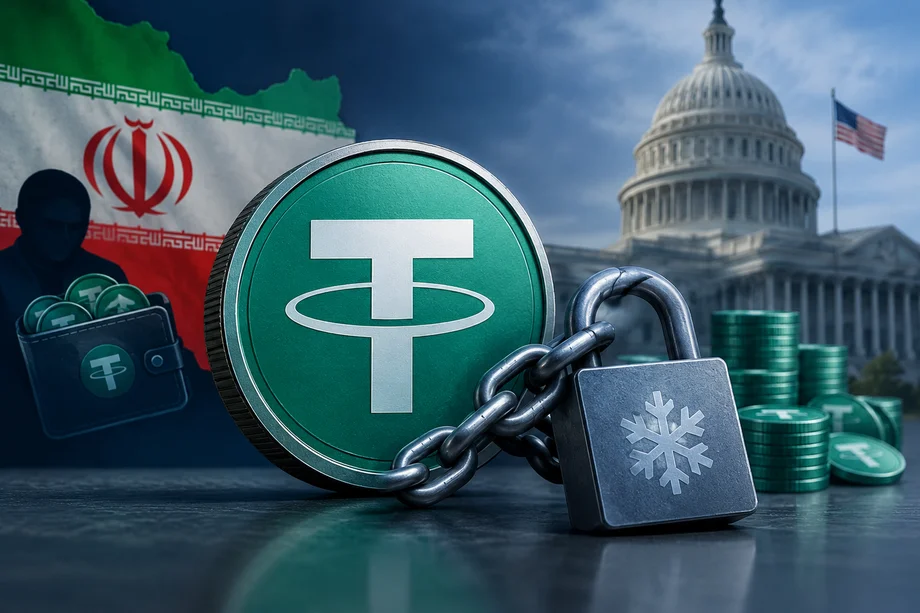
Senate Report Calls Tether USDT a Lifeline for Iran as Issuer Reports $550 Million in Freezes

US Seizes $1 Billion in Iranian Cryptocurrency as Sanctions Tighten

US Treasury Sanctions Shelbit and Aban Tether Over Alleged Iran Sanctions Evasion

US Intensifies Crackdown on Iran’s $7.7 Billion Crypto Holdings Under Operation Economic Fury
Tether CEO Disputes Senate Report on Delays in Freezing Iran-Linked USDT Wallets
Latest articles
Lighter Token Climbs More Than 20% on Planned CFTC Filing and Research Note

Samsung and SK Hynix Upgrade China NAND Factories Amid AI Demand and Local Rivalry

China Prosecutors Move to Confiscate $5.1 Billion Bitcoin Haul Seized in UK Fraud Case

Bank of Korea Holds Rate at 3% After Consecutive Hikes, Eyes Data for Next Move