Newsroom
Senate Report Calls Tether USDT a Lifeline for Iran as Issuer Reports $550 Million in Freezes
28 September, 2026 / News / AI / Tags: iran, tether, usdt, sanctions, authorities
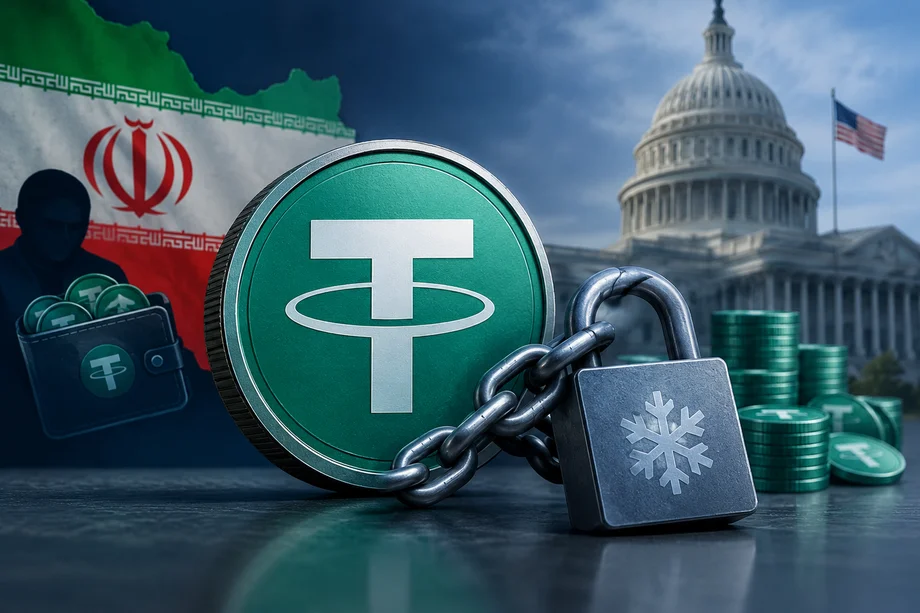
Democratic senators say 84% of sanctioned Iran-linked wallets relied on USDT, while Tether details major 2026 enforcement actions with U.S. authorities
Democratic members of the U.S. Senate Permanent Subcommittee on Investigations released a report on September 28 stating that Tether’s USDT stablecoin has become a primary tool in Iran’s efforts to move funds outside traditional banking channels and evade international sanctions. The findings come as the stablecoin issuer detailed its role in freezing nearly $550 million in Iran-linked USDT during 2026 at the request of U.S. authorities.
Senate Findings on Iran-Linked Wallets
The report, led by Ranking Member Richard Blumenthal, examined 846 cryptocurrency wallets previously sanctioned by U.S. and Israeli authorities in connection with Iran and its regional proxies. Investigators determined that 84% of those wallets transacted exclusively or nearly exclusively in USDT. The analysis described the dollar-pegged token as a significant financial channel within what the report termed Iran’s shadow banking network.
According to the document, the Iranian government conducted an estimated $2 billion in cryptocurrency transactions in 2025. Separate reporting connected to the inquiry stated that Iran’s Central Bank had accumulated at least $507 million in USDT. The report linked the token’s use to efforts supporting the regime’s operations, including funding for proxy groups such as Hezbollah, and noted a shift by some terrorist organizations from Bitcoin and mixed cryptocurrencies toward USDT.
The lawmakers alleged that Tether sometimes took weeks to freeze identified Iran-linked wallets after receiving requests and did not always proactively block addresses tied to illicit activity. Blumenthal called on the Treasury and Justice Departments to investigate the matter further. The report forms part of a broader examination of cryptocurrency use in sanctions evasion and illicit finance.
Tether’s Response and 2026 Freeze Actions
Tether stated that it has supported freezes totaling approximately $550 million in USDT linked to Iran’s Central Bank and related sanctioned networks this year. The company said the actions followed information provided by the Treasury Department’s Office of Foreign Assets Control and U.S. law enforcement.
In April, Tether froze more than $344 million across two addresses. OFAC added those same addresses to the Central Bank of Iran’s sanctions listing the following day, citing connections to the Islamic Revolutionary Guard Corps-Qods Force and Hezbollah. In July, the issuer froze more than $130 million across four additional TRON wallets after Treasury designated four further addresses tied to the central bank. The April and July actions accounted for the majority of the 2026 Iran-linked total.
Tether said its freezing policy aligns with OFAC’s Specially Designated Nationals list. A freeze blocks tokens at a designated address from moving but does not transfer ownership. The company noted that it works with more than 340 law enforcement agencies across 67 countries and that its overall cooperation has helped freeze more than $4.9 billion in assets globally, including over $2.4 billion connected to U.S. authorities.
Ardoino also stated that public blockchains give authorities visibility into fund movements that does not exist with cash and that the company remains in direct contact with U.S. and international authorities targeting sanctions evasion and terrorist financing.
Broader Sanctions Context
The developments occur against the backdrop of the U.S. Treasury’s Operation Economic Outcast, launched in August, which expanded sanctions authority to cover digital assets along with technology, gold, aviation and shipping sectors linked to Iran’s economy. OFAC has designated multiple Iranian digital asset businesses and exchanges in recent months.
Earlier related actions include freezes of addresses published by Israel’s National Bureau for Counter Terror Financing and separate U.S. civil forfeiture proceedings involving tens of millions of dollars in previously frozen USDT. Tether has cited assistance in multiple U.S. enforcement operations involving the Justice Department, FBI, Secret Service and Homeland Security Investigations.
The Senate report and Tether’s disclosure place stablecoin compliance practices under continued examination as U.S. authorities pursue additional designations and enforcement steps targeting Iranian financial networks.
Disclaimer
This article was generated by AI using information from multiple industry sources. It has not been reviewed or verified by a human editor and may contain inaccuracies, omissions, or misinformation. Readers are encouraged to independently verify any information before making decisions based on its content.Tired of the noise?
Let the bots trade for you.
Trade 24/7, without emotion, with data-driven strategies.
Associated articles

US Treasury Freezes $131 Million in Iran-Linked Crypto Wallets

Senate Democrat Demands Cantor Fitzgerald Records on Tether Partnership and Family Gains

US Treasury Sanctions Shelbit and Aban Tether Over Alleged Iran Sanctions Evasion

US Intensifies Crackdown on Iran’s $7.7 Billion Crypto Holdings Under Operation Economic Fury

Tether Freezes $39.3 Million in USDT Tied to Xinbi Guarantee on Tron
Latest articles

Thai Police Arrest Chinese Man in $75M Crypto Laundering Probe

Cysic Suspends Cross-Chain Bridge After Unauthorized 10 Million CYS Mint

Cardano Founder Builds New Programming Language with Groth16 Proofs

Yuga Labs Debuts Mudwater Trading Cards on Solana With ApeCoin Rewards