Newsroom
Tether Temporarily Freezes $1.45 Million USDT in THORChain Vaults on TRON
10 October, 2026 / News / AI / Tags: thorchain, tether, barraford, vaults, usdt
Stablecoin issuer blacklisted four protocol addresses without notice, suspending swaps for hours before restoring access
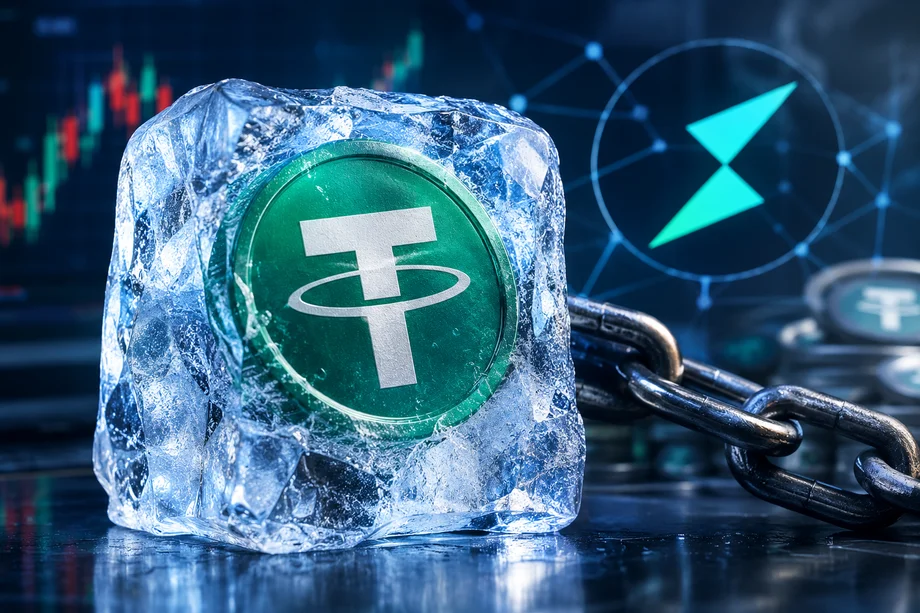
Tether blacklisted four THORChain vault addresses on the TRON network on October 9, 2026, freezing a combined $1.45 million in USDT. The action halted the decentralized protocol’s TRON-related swaps and liquidity-provider operations until the addresses were released hours later.
Incident Details and Immediate Effects
The blacklisting occurred through the USDT token contract’s addBlackList function, which blocks listed addresses from transferring the stablecoin. The tokens remained in the vaults but could not move, disrupting the pooled assets that support cross-chain trades on THORChain. The protocol suspended TRON swaps and certain related functions almost immediately. Services were restored after the freeze was lifted, with the vault balances left intact.
Reports indicated the restriction lasted approximately two to three hours. While the four THORChain vaults were cleared, 19 other addresses blacklisted at the same time remained restricted.
THORChain Response
THORChain technical co-founder Chad Barraford publicly reported the freeze on the social platform X. He stated that the team had received no advance notice or explanation from Tether and was actively seeking contact.
Barraford later confirmed that trading on the affected wallets could resume once the addresses were unfrozen. Neither Tether nor THORChain issued further public comments on the reasons for the temporary action at the time of the reports.
Context of Recent Freezing Actions
The episode forms part of a series of recent freezes involving USDT. Earlier in the week, cross-border payments platform Conduit Technology filed a lawsuit against Tether alleging the company froze $2.76 million in USDT linked to a wallet under investigation by Brazilian authorities in 2024. In August, two Thai nationals also sued Tether, claiming the issuer froze $42.4 million in USDT following what they described as an informal request from US Homeland Security Investigations.
Tether’s capacity to freeze or unfreeze assets is designed to address law-enforcement requests or suspected activity. The latest temporary restriction on THORChain vaults, combined with the ongoing legal cases, has drawn additional attention to the company’s operational practices. Separately, New York-based financial firm Cantor Fitzgerald has faced questions from Senate Democrats regarding its business ties to Tether.
THORChain is a decentralized protocol that enables native asset swaps across blockchains without requiring users to wrap tokens or transfer custody to a centralized exchange. Its vaults hold the liquidity necessary for those transactions. The temporary freeze illustrated the practical impact that issuer-level controls on stablecoins can have on decentralized infrastructure that relies on them.


Disclaimer
This article was generated by AI using information from multiple industry sources. It has not been reviewed or verified by a human editor and may contain inaccuracies, omissions, or misinformation. Readers are encouraged to independently verify any information before making decisions based on its content.Tired of the noise?
Let the bots trade for you.
Trade 24/7, without emotion, with data-driven strategies.
Associated articles

US Treasury Freezes $131 Million in Iran-Linked Crypto Wallets

Thai Businessmen Sue Tether Over $42.4 Million USDT Freeze Before Warrant

Tether Freezes $39.3 Million in USDT Tied to Xinbi Guarantee on Tron
T3 Crime Unit Freezes $450M in Illicit Crypto Funds Tied to Hacks and Terror Financing
Senate Report Calls Tether USDT a Lifeline for Iran as Issuer Reports $550 Million in Freezes
Latest articles

Triple-A Breach Attacker Transfers $12.4 Million in Ether to Tornado Cash

KAIA Token Jumps Over 50% on Upbit Listing News
CFTC Proposes Treating Sports and Event Contracts as Swaps Amid Court Battles

ESMA Reviews Tokenized Collateral Risks for EU Clearinghouses