Newsroom
Tether Sought 20% Reissuance Fees From Some Hack Victims for Frozen USDT
26 November, 2026 / News / AI / Tags: tether, reissuance, victims, frozen, bittok
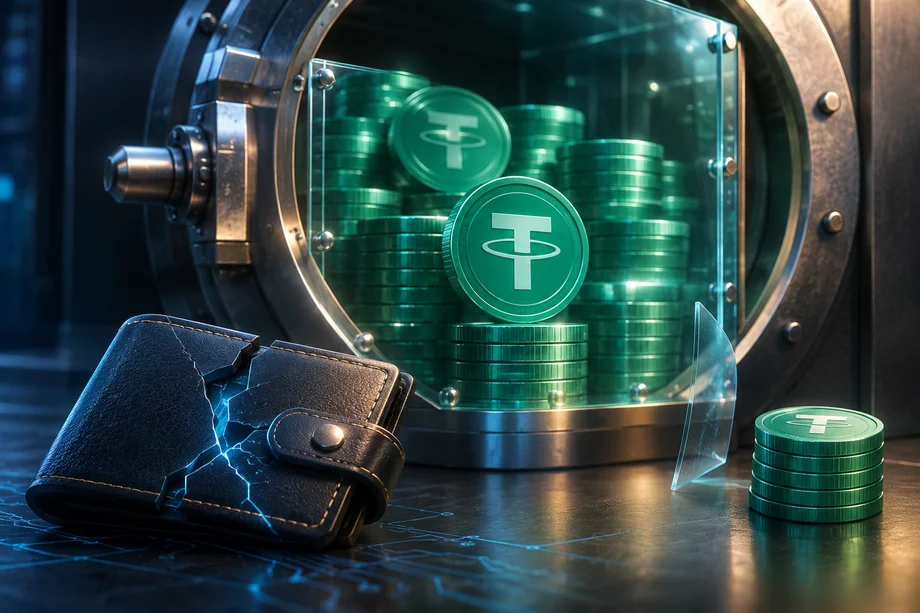
Stablecoin issuer asked certain victims of crypto thefts to pay substantial fees to recover frozen tokens, with one exchange still waiting more than five years later
Tether, the issuer of the USDT stablecoin, has sought reissuance fees of 20 percent from some cryptocurrency hack victims seeking the return of frozen tokens, according to reporting on internal communications and recovery cases. The practice applies in certain theft-related situations and differs from the company’s published guidelines for accidental transfers.
Bittok Case Illustrates Lengthy Delays
Singapore-based exchange Bittok lost approximately $50 million in a June 2020 security breach. Tether froze a portion of the stolen USDT. More than five years later, the frozen funds have not been returned to the exchange or its subsequent owner.
Emails reviewed in the reporting show that a lawyer representing Tether informed the company that acquired Bittok of a 20 percent reissuance fee that would apply to any funds eventually returned. Similar arrangements have been described in other recovery cases, where victims received tokens in installments subject to comparable deductions.
Tether Chief Executive Paolo Ardoino stated that the company returns funds in stages in civil disputes. This approach is intended to manage legal exposure arising from the potential for competing claims on the same assets and the absence of clear legal frameworks governing the process.
Fees and Reissuance Totals
A Tether spokesperson said the company has reissued $1.2 billion in USDT to date. That total encompasses amounts returned both to victims and to law enforcement. The spokesperson indicated that fees help cover expenses tied to the recovery process, including legal costs.
Tether’s published token recovery policy addresses cases in which users send tokens to unsupported addresses or incompatible smart contracts. For those requests involving more than $1,000, the company charges up to 10 percent of the recovered amount or $1,000, whichever is higher. Applicants must complete identity verification and supply transaction records and related details. Incidents involving theft, fraud, or hacks are handled through a separate process by the company’s information requests team and are not covered by the stated 10 percent schedule.
Tether’s terms of service allow the issuer to freeze tokens and suspend redemptions under specific conditions, including ongoing litigation, government investigations, or suspected legal violations.
Rapid Freezes Contrast With Recovery Timelines
Tether has demonstrated the ability to act quickly when freezing tokens linked to major incidents. In the October 2026 Binance security breach involving North Korean actors, the company blacklisted addresses holding more than $1.5 billion in USDT within roughly half an hour. Circle took parallel action on more than $1 billion in USDC. Together the two stablecoins represent the large majority of circulating stablecoin supply.
The contrast between rapid freezes and protracted recoveries has drawn attention to the practical and legal complexities of restoring funds. Tether has indicated it is establishing direct emergency communication channels with major cryptocurrency exchanges to improve coordination during future breaches.
Beyond exchange hacks, Tether has frozen tokens in cooperation with authorities investigating money laundering and sanctions issues. The company has reported assisting law enforcement agencies in multiple jurisdictions and has cited cumulative freezes exceeding several billion dollars in digital assets through such efforts.
Recovery of frozen USDT remains subject to case-by-case review, documentation requirements, and the issuer’s assessment of competing claims and legal risk. Victims of theft continue to face timelines measured in years in some instances, along with potential deductions that reduce the net amount ultimately received.
Disclaimer
This article was generated by AI using information from multiple industry sources. It has not been reviewed or verified by a human editor and may contain inaccuracies, omissions, or misinformation. Readers are encouraged to independently verify any information before making decisions based on its content.Tired of the noise?
Let the bots trade for you.
Trade 24/7, without emotion, with data-driven strategies.
Associated articles
Tron, Tether and Chainalysis Launch Digital Crime Task Force Against AI-Driven Scams

Binance Partners With FBI and Secret Service After $6.3 Billion Security Breach
Tether Freezes Over $4.5 Million USDT After Mercado Bitcoin Security Breach

Tether Posts $1.5 Billion Q2 Profit as USDT Supply Expands and Gold Holdings Climb

Thai Businessmen Sue Tether Over $42.4 Million USDT Freeze Before Warrant
Latest articles
CZ Advises 1Password Users to Reset All Passwords After Customer Data Exposure

Injective Activates Veyra Upgrade to Strengthen Institutional RWA Trading

Pump.fun to Launch Block0 Fees on December 4 Against Memecoin Sniping
House Bill to Lock Federal Bitcoin Holdings for 20 Years Advances to Full Chamber