Newsroom
CZ Advises 1Password Users to Reset All Passwords After Customer Data Exposure
26 November, 2026 / News / AI / Tags: password, passwords, zhao, account, attacker
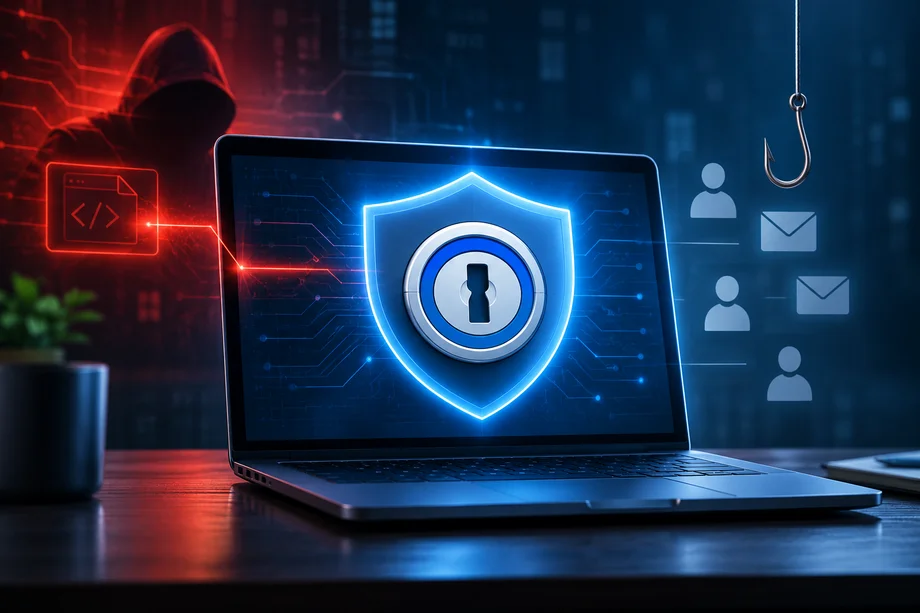
Binance founder Changpeng Zhao recommended changing every stored password following a breach that compromised personal account details at the password manager, even as the company stated vaults remained secure
Binance founder and former CEO Changpeng Zhao, widely known as CZ, has called on users of the password management service 1Password to replace all of their stored passwords. His recommendation came after the company disclosed a security incident in which an attacker obtained personal customer account information from internal systems.
In a post on X dated November 26, Zhao stated that the step, while inconvenient, was necessary. The advice followed public reports detailing the attack, which began with the compromise of an employee’s corporate GitHub account.
Details of the Security Incident
1Password reported that it started investigating on November 19 after detecting signs of unauthorized access to the employee’s GitHub account. The attacker used that access to reach private source code repositories and push malicious code into the company’s backend services. The code then extracted administrative records belonging to a subset of customers.
The stolen information included customer names, email addresses used for login, account and user identifiers, account creation dates, last sign-in timestamps, public cryptographic keys, and parameters related to the Secure Remote Password protocol. Certain tokens contained in emails for account recovery, invitations, and business account provisioning were also obtained.
The attacker further gained access to private code repositories and the company’s continuous integration and continuous delivery system. Source code itself contained no customer secrets, according to the company. Infrastructure-related credentials that may have been exposed were subsequently rotated.
Company Response and Assurances
1Password stated that customer vaults, the items stored within them, the keys that protect those vaults, and account recovery keys were never accessed or available to the attacker. The company does not store user account passwords or Secret Keys. An internal review found no evidence that any customer accounts had been taken over.
In response, the firm disabled the compromised employee account, revoked the stolen token, and removed any access the attacker had established. Verification codes sent by email for invitations and recovery were lengthened from six numeric digits to ten alphanumeric characters as a precaution against guessing attempts. A relatively small number of users whose tokens were affected received individual notifications.
Independent cybersecurity specialists were engaged to review containment and remediation steps. The company advised customers to ignore unsolicited recovery requests and to enter account passwords and Secret Keys only through its official applications or website.
Potential Risks Highlighted
Although vault contents remained protected, the exposure of names, email addresses, and related metadata creates opportunities for targeted phishing. Malicious actors could use the information to craft messages that appear to come from 1Password in an effort to obtain login credentials.
The incident has drawn attention in cryptocurrency circles partly because of prior password-manager breaches that later contributed to asset thefts. Zhao’s recommendation to change every stored password represents a more cautious stance than the company’s own guidance that no account changes are required.
1Password continues to monitor the situation and has indicated it will provide further updates as its investigation proceeds.
Disclaimer
This article was generated by AI using information from multiple industry sources. It has not been reviewed or verified by a human editor and may contain inaccuracies, omissions, or misinformation. Readers are encouraged to independently verify any information before making decisions based on its content.Tired of the noise?
Let the bots trade for you.
Trade 24/7, without emotion, with data-driven strategies.
Associated articles
GitHub Internal Repos Breached: CZ Urges Developers to Rotate API Keys Now
SafePal Discloses Breach Exposing Order Details of Nearly 40,000 Customers
Chainalysis Confirms Agentic AI Attack Accessed Customer Account Details
Keystone Confirms Website Breach Exposing Customer Shipping Details
Foundation Warns Passport Owners After Phishing Emails Sent From Official Domains
Latest articles

Injective Activates Veyra Upgrade to Strengthen Institutional RWA Trading
Pump.fun to Launch Block0 Fees on December 4 Against Memecoin Sniping
House Bill to Lock Federal Bitcoin Holdings for 20 Years Advances to Full Chamber

Czech Central Bank Chief Defends Bitcoin Allocation in Reserves at Las Vegas Conference