Newsroom
Pump.fun to Launch Block0 Fees on December 4 Against Memecoin Sniping
26 November, 2026 / News / AI / Tags: pump, block, fee, bundling, bots
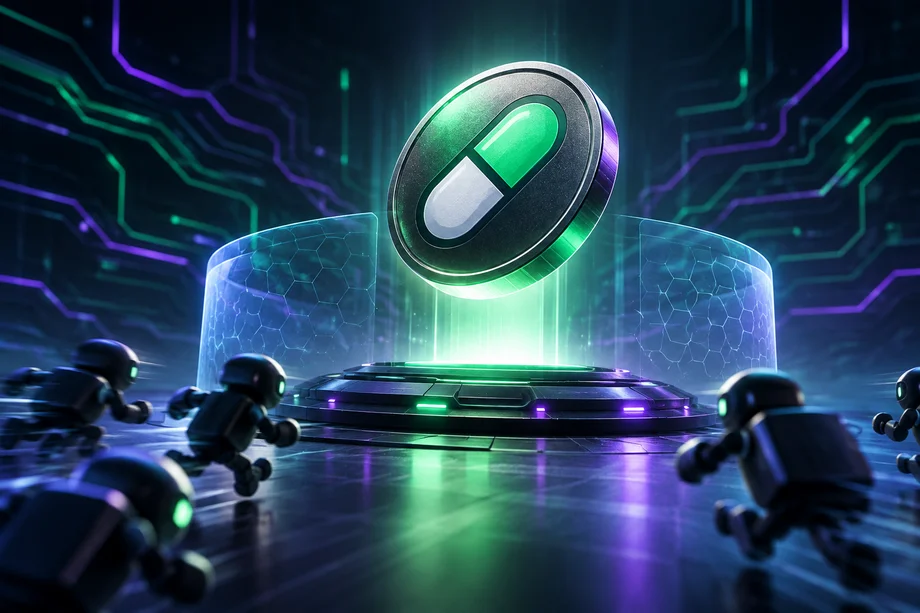
Solana memecoin platform will charge a percentage fee on same-block trades for new tokens, exempting only the creator wallet, to limit early bundling and improve launch fairness
Pump.fun, the Solana-based platform for launching memecoins, plans to introduce a new fee structure targeting trades executed in the same blockchain block as a token’s creation. The change takes effect on December 4 and aims to reduce the advantage held by developers and automated bots that secure large portions of supply before ordinary participants can trade.
Details of the Block0 Fee
The fee applies as a flat percentage on both purchases and sales that occur within the creation block, known as Block0. Transactions carried out directly from the wallet that created the token remain exempt. Any other wallet, including those controlled by the same developer, will incur the charge.
Platform operators stated that the initial rate will be disclosed before the rollout and will start at a deliberately low level. They are also evaluating whether to extend similar charges to later blocks, depending on trading data and community input after the launch.
Why the Platform Is Acting
Since adopting its bonding-curve model, Pump.fun has allowed anyone to create tokens with minimal capital or technical requirements. Over time, sophisticated trading tools, bots, and bundling services have enabled creators to buy large allocations through multiple addresses in the opening block. This practice obscures true ownership and leaves later buyers at a disadvantage.
Blockchain analytics firm Bitquery examined roughly 8.2 million Pump.fun launches between late October 2025 and early October 2026. It found that non-developer wallets made first-block purchases in 38 percent of cases. Suspected developer-linked wallets appeared in 21 percent of launches, while sniper bots accounted for 28 percent. The same analysis estimated that developers and their associated wallets realized at least $579 million in profits after fees from bundled sales through the end of June 2026.
A separate Bitquery review showed that 79 percent of nearly nine million tokens recorded no trading activity after their launch day, illustrating the short lifespan of many projects and the value of securing an early position.
Allocation of Collected Fees
Half of the revenue from the new Block0 fee will be directed to automated purchases and permanent burns of the platform’s native PUMP token. The remaining half will support further development of the launchpad, mobile application, and trading terminal, as well as community programs such as Callout Rewards and trading competitions.
This distribution builds on an existing buyback program that had already spent approximately $463.5 million to acquire and burn 167.91 billion PUMP tokens, representing 16.79 percent of the original supply as of late September.
Unlike certain earlier mechanisms, the platform will not recycle Block0 fees back into the individual tokens that generated them, a step intended to prevent early buyers from offsetting their costs.
Expected Impact and Next Steps
Co-founder Alon Cohen noted that the fee is unlikely to eliminate bundling completely. Developers who continue the practice will simply face an added cost, while those who wait until after the creation block will compete on equal terms with other market participants.
Platform representatives do not expect an immediate large shift in trading patterns. Adjustments to the fee rate and possible expansion beyond the first block will be guided by data collected after December 4 and by feedback from users.
The measure follows earlier platform changes, including a restriction that limited creators to a single post-launch adjustment of their fee wallets. Pump.fun has described the Block0 fee as one more step toward greater transparency around initial token ownership.

Disclaimer
This article was generated by AI using information from multiple industry sources. It has not been reviewed or verified by a human editor and may contain inaccuracies, omissions, or misinformation. Readers are encouraged to independently verify any information before making decisions based on its content.Tired of the noise?
Let the bots trade for you.
Trade 24/7, without emotion, with data-driven strategies.
Associated articles
Uniswap Debuts Pools.trade Launchpad on Robinhood Chain

Curve Founder Labels Pump.fun a Casino of Scams, Criticizes Phantom Wallet
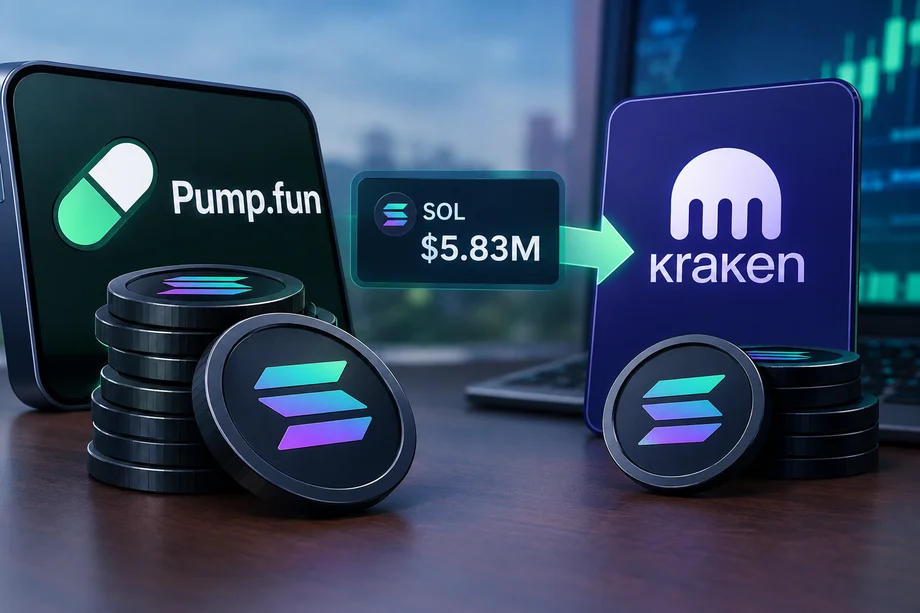
Pump.fun Transfers Another $5.83 Million in SOL to Kraken as Cumulative Sales Hit $848 Million
Pump.fun Launches Bitcoin and Ethereum Perpetual Futures with Hyperliquid
Pons Surges to $5.95M Daily Fees on Robinhood Chain as Uniswap Labs Acquires Token Stake
Latest articles
CZ Advises 1Password Users to Reset All Passwords After Customer Data Exposure
Injective Activates Veyra Upgrade to Strengthen Institutional RWA Trading
House Bill to Lock Federal Bitcoin Holdings for 20 Years Advances to Full Chamber
Czech Central Bank Chief Defends Bitcoin Allocation in Reserves at Las Vegas Conference