Newsroom
SpaceX Reports Record $14.6 Billion Revenue in Q3 as AI Division Surges Past Starlink
21 October, 2026 / News / AI / Tags: billion, spacex, starlink, revenue, segment
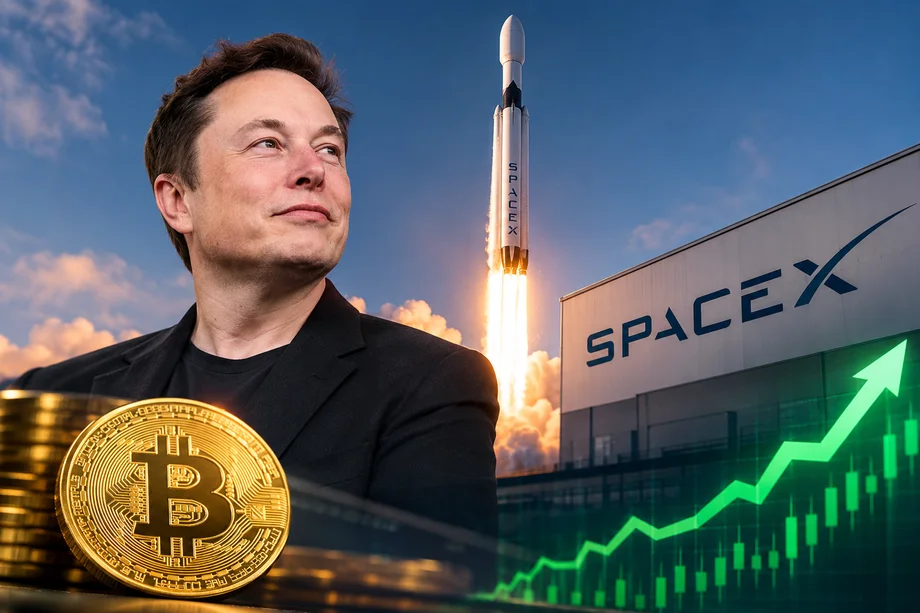
The company swung to a $4.4 billion profit, with Super Intelligence driving growth and shares rising after hours amid merger talks with Tesla
SpaceX delivered third-quarter results that far exceeded expectations, posting $14.6 billion in revenue and $4.4 billion in net income for the period ended September 30, 2026. The figures marked a sharp turnaround from a $1.1 billion loss in the same quarter a year earlier and sent the newly public company’s shares higher in after-hours trading.
Revenue rose 161 percent from $5.6 billion a year ago, beating analyst forecasts that had centered around $12.7 billion to $13.0 billion. Diluted earnings per share reached 35 cents, well above consensus estimates of 13 to 16 cents. Adjusted EBITDA climbed 306 percent to $8.8 billion.
AI Segment Becomes Largest Revenue Source
The standout performer was the Super Intelligence division, previously referred to as the artificial intelligence segment. It generated $7.56 billion in revenue, an 830 percent increase from the prior year, and overtook the Connectivity business as SpaceX’s biggest contributor. The unit includes cloud infrastructure, models, Grok-related products and the recently acquired Cursor operation. Operating income for the segment reached $431 million, reversing a $1.72 billion loss in the year-earlier period.
Connectivity, driven mainly by Starlink, contributed $5.25 billion, up 69 percent. Consumer subscribers rose to 13.6 million. Traditional space operations added $1.77 billion. The company also completed its first revenue-generating Starship mission, which deployed 26 next-generation Starlink satellites.
Heavy Capital Spending Continues
Capital expenditures totaled $19.6 billion in the quarter, with $16.4 billion directed to Super Intelligence infrastructure. Compute capacity reached 1.7 gigawatts by the end of September, up from 1.4 gigawatts three months earlier. Management indicated that newly deployed capacity is generating returns in under a year at current pricing, with some 2027 investments potentially recovering costs in as little as six months.
The company ended the quarter with approximately $89.9 billion in cash and marketable securities, providing substantial resources for continued expansion. Long-term debt and finance leases stood at $36.1 billion.
Shares Rise as Merger Discussions Confirmed
SpaceX shares closed the regular session at $147.79 before climbing as much as 9 percent in extended trading, reaching levels near $161. Investors reacted positively to both the earnings beat and comments during the subsequent webcast.
Elon Musk confirmed that SpaceX and Tesla have established independent committees to explore a possible combination. No agreement has been reached.
Musk noted that any transaction would ultimately require shareholder support and pointed to potential gains in software, chips and robotics. He has previously suggested the companies could benefit from closer cooperation around artificial intelligence and related technologies.
Outlook and Balance Sheet Strength
Management forecast capital spending of $35 billion to $40 billion in the fourth quarter as demand for computing capacity continues to accelerate. The Super Intelligence segment’s rapid growth has shifted the company’s revenue mix, while Starlink’s expanding subscriber base and the early commercial Starship flights provide additional avenues for expansion.
SpaceX’s balance sheet also listed the $1.573 billion digital-asset position, little changed in reported value from the end of 2025 after accounting for market movements. The company has not indicated any recent purchases or sales of those holdings.
The results position SpaceX as a multi-segment technology and aerospace group whose largest revenue stream is now artificial intelligence infrastructure and services, even as its satellite and launch businesses continue to scale.


Disclaimer
This article was generated by AI using information from multiple industry sources. It has not been reviewed or verified by a human editor and may contain inaccuracies, omissions, or misinformation. Readers are encouraged to independently verify any information before making decisions based on its content.Tired of the noise?
Let the bots trade for you.
Trade 24/7, without emotion, with data-driven strategies.
Associated articles
Alibaba Shares Fall as Profit Plunges 75% on Heavy AI Spending Despite Strong Revenue Growth
Morgan Stanley Reaffirms $300 Target for SpaceX Shares as Stock Climbs on AI Valuation Case
Amazon Posts $62.6 Billion Profit, AWS Growth Hits Fastest Pace in Years on AI Demand
SpaceX Shares Climb as Starship Targets First Orbital Flight on September 22

Robinhood Posts Record $1.31 Billion Q2 Revenue as Prediction Markets Surge, Crypto Cools
Latest articles

NIP Group Expands Bitcoin Mining Fleet With 4.47 EH/s Acquisition

Collins Wallet Sends 500 BTC Worth $41.52 Million to Coinbase Prime After Decade of Inactivity

Mastercard Launches Early Access to AI Agent Payments Following Successful Demo

Injective Partners with BDACS to Launch KRW1 Won Stablecoin for Tokenized Asset Settlement