Newsroom
SpaceX Objects to Tokenized Share Listing on OKXICE Platform
4 November, 2026 / News / AI / Tags: okxice, tokenized, objection, spacex, trading

Aerospace firm joins dozens of companies blocking proposed US trading of blockchain-based stock versions under new SEC rules, even as offshore activity remains active
SpaceX has formally objected to plans for listing tokenized versions of its shares on OKXICE, a trading venue created by crypto exchange OKX and Intercontinental Exchange. The objection appears in a public notice dated November 2 from the joint venture and adds the company to a list of issuers resisting the initiative.
OKXICE operates under the Securities and Exchange Commission’s five-year Innovation Exemption, introduced in September. The framework allows platforms to offer trading in tokenized US stocks without registering as national securities exchanges. Companies retain a procedural right to object within a 30-day window, which can prevent the tokenized instruments from appearing on the venue.
Growing Corporate Resistance
SpaceX now stands alongside Tesla, Amazon and others among 56 companies that have objected to proposed tokenized stock listings. The pattern shows issuers are actively using the exemption’s built-in controls to limit where and how representations of their equity can trade.
Tokenized stocks function as blockchain-based instruments designed to give investors exposure to traditional company shares, frequently with the potential for trading outside standard market hours. Depending on structure, the tokens may be backed by actual shares, though the rights held by tokenholders do not always match those of conventional shareholders. That distinction has become a point of caution for some corporations.
OKXICE co-chair Andrew Cuomo, the former New York governor, told reporters on October 20 that the venture anticipated additional objections because many firms preferred not to be the first to test the model. At an October 30 press conference he expressed confidence that participation would broaden once benefits become clearer.
Offshore Trading Already Underway
The objection arrives even though tokenized versions of SpaceX shares have traded on platforms outside the United States. Activity began after the company’s June offering. Backpack Securities prepared a tokenized product known as SPCX that recorded $1.08 billion in onchain trading volume during June. Kraken, through its xStocks offering, launched SPCXx and reported $852 million in volume over the same period. Both instruments were structured to be backed by actual shares.
Those figures demonstrate existing demand for onchain equity exposure. A successful OKXICE listing would have extended access to US investors and the world’s largest equity market by capitalization. The company’s decision to block the domestic venue while offshore trading continues suggests the objection is targeted at the specific regulatory and structural features of the US platform rather than tokenization in general.
Market Structure Concerns
Nasdaq cautioned issuers in September that they must be careful about participation. The exchange argued that tokenized stock trading could fragment liquidity across multiple venues and potentially reduce long-term shareholder value. Continuous onchain trading alongside traditional markets raises questions about how order flow, price discovery and overall market quality would evolve.
For platforms such as OKXICE, the cumulative objections mean that building a broad tokenized equity market will require ongoing engagement with issuers or strategies to manage recurring refusals. The 30-day objection window remains a central feature of the Innovation Exemption and continues to shape which securities can appear on the venue.
Attention now turns to which additional companies will exercise their right to object and whether participation rates change as market participants gain more experience with the new trading arrangements.

Disclaimer
This article was generated by AI using information from multiple industry sources. It has not been reviewed or verified by a human editor and may contain inaccuracies, omissions, or misinformation. Readers are encouraged to independently verify any information before making decisions based on its content.Tired of the noise?
Let the bots trade for you.
Trade 24/7, without emotion, with data-driven strategies.
Associated articles
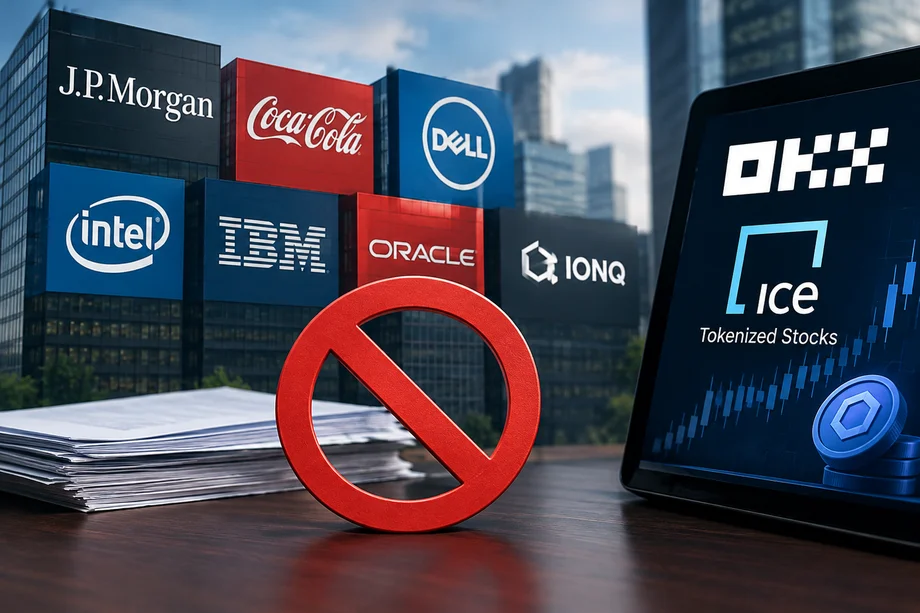
JPMorgan, Coca-Cola and Dell Join Growing Corporate Pushback Against OKX-ICE Tokenized Stock Plans
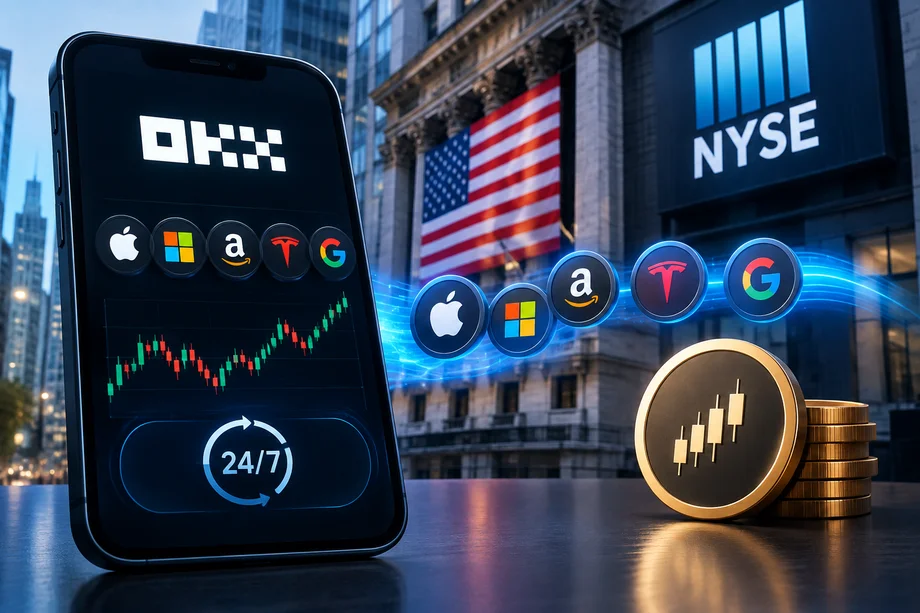
OKXICE Submits SEC Filing for 24/7 Tokenized NYSE Stocks Under New Exemption
Nine Firms Object to Tokenized Share Trading on OKXICE Platform
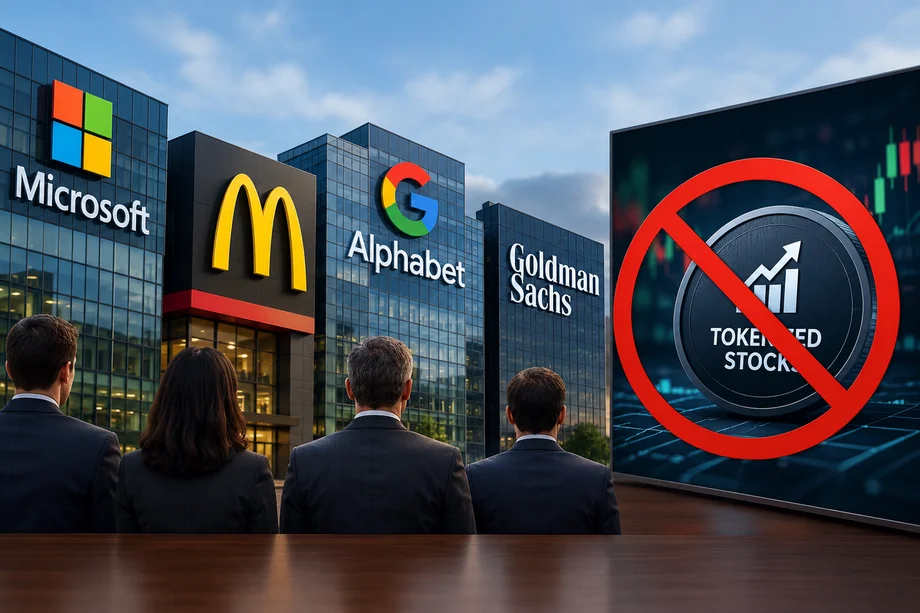
Microsoft, Alphabet and Goldman Sachs Join 16 Issuers Objecting to OKX-ICE Tokenized Stock Plans
22 Major Firms Opt Out of OKX-ICE Tokenized Stock Trading Plan
Latest articles

ZachXBT Identifies French Bank Crédit Mutuel Arkéa in Suspected $133 Million Crypto Theft

Zcash Grants Committee Withdraws 98,000 ZEC Redirection Plan Amid Funding Debate

CrowdStrike Unveils AI Agent Kill Switch and $495 Million Acquisitions
Stellar Activates Protocol 30 Bell Upgrade on Testnet Ahead of Mainnet Vote