Newsroom
Nine Firms Object to Tokenized Share Trading on OKXICE Platform
18 October, 2026 / News / AI / Tags: okxice, objections, tokenized, nine, issuer

Major U.S. companies including Broadcom, CoreWeave and Verizon formally blocked plans for blockchain-based versions of their stocks under a new SEC exemption
Nine U.S.-listed companies have submitted formal objections preventing the OKXICE joint venture from offering tokenized versions of their shares on its planned trading venue. The objections, disclosed in an October 15 notice, cover Cerebras Systems, AppLovin, Applied Digital, Rocket Lab, CoreWeave, Verizon Communications, Applied Optoelectronics, Broadcom and UnitedHealth Group.
OKXICE is a Texas-based entity owned equally by Intercontinental Exchange Holdings, the parent of the New York Stock Exchange, and OKC USA Holding, an affiliate of the cryptocurrency exchange OKX. The venture aims to enable round-the-clock trading of certain U.S. equities through blockchain infrastructure rather than traditional exchange order books.
Issuer Opt-Out Under SEC Framework
The objections arise under a temporary Securities and Exchange Commission exemption issued on September 17 that permits qualifying venues to facilitate trading of tokenized national market system stocks. Under the rules, a venue must notify an issuer before offering tokens created by an unaffiliated third party. The issuer then has 30 calendar days to file a written objection.
A timely objection bars that specific venue from listing the tokenized shares. The restriction does not amount to a blanket ban on all forms of tokenization for the company’s stock and does not apply to other venues. OKXICE must publicly disclose any such objections within five business days.
Eight of the nine companies appeared on OKXICE’s original October 4 list of 63 securities targeted for the platform. Cerebras Systems had already been recorded as an objecting issuer outside that initial roster. Subsequent notices reflected the gradual addition of the remaining firms through October 15.
Platform Design and Trading Model
OKXICE plans to operate a Tokenized Securities Venue using permissioned Uniswap v4 liquidity pools on the XLayer blockchain network linked to the OKX ecosystem. Participants would trade the tokens against supported payment stablecoins, including USDC, USDG and USDT. Execution would occur through smart contracts rather than a conventional central limit order book.
Access requires identity verification, sanctions screening and wallet authorization. Approved users receive a nontransferable token granting permission to interact with the platform’s contracts. The venue intends to serve retail investors, institutions, market makers and liquidity providers. OKXICE itself would not hold customer assets or extend credit.
For tokens created by an unaffiliated provider, a registered broker-dealer must hold one underlying share for each outstanding token. Token holders are required to receive equivalent economic and governance rights to traditional shares of the same class, including dividends, voting rights and residual claims in liquidation. Customers may create or redeem tokens through the provider subject to its account rules.
Company Concerns and Remaining Plans
While the official notice contains no explanations, Applied Optoelectronics has publicly cited uncertainty over effects on its share price, liquidity and volatility. The company also pointed to the risk that investors could mistakenly view the tokens as endorsed or sponsored by the issuer, stating it saw no clear benefit justifying the uncertainty.
Reports of broader issuer unease have referenced potential impacts on stock prices, market liquidity and investor comprehension of the tokenized instruments. These points have not been presented as a collective statement from all nine firms.
Despite the objections, OKXICE has indicated it still intends to proceed with tokenized trading for dozens of other U.S.-listed companies. Named examples include Nvidia, Apple, Microsoft, Amazon, Alphabet, Tesla, JPMorgan Chase and Walmart. The original 63-stock proposal remained below the numerical ceilings set by the SEC exemption for eligible symbols.
The exemption imposes volume limits tied to the underlying stock’s average daily trading volume and requires suspension of tokenized trading if the primary-market shares are halted. A second breach of volume thresholds triggers a three-month suspension for the affected security. The overall framework is scheduled to expire on September 17, 2031, unless modified or extended by the regulator.
OKX and ICE first announced the joint venture in June, appointing former New York Governor Andrew Cuomo as a co-chair alongside an ICE executive. The partnership has described ambitions to combine tokenized products with access to established market infrastructure, subject to applicable regulatory conditions.
Disclaimer
This article was generated by AI using information from multiple industry sources. It has not been reviewed or verified by a human editor and may contain inaccuracies, omissions, or misinformation. Readers are encouraged to independently verify any information before making decisions based on its content.Tired of the noise?
Let the bots trade for you.
Trade 24/7, without emotion, with data-driven strategies.
Associated articles
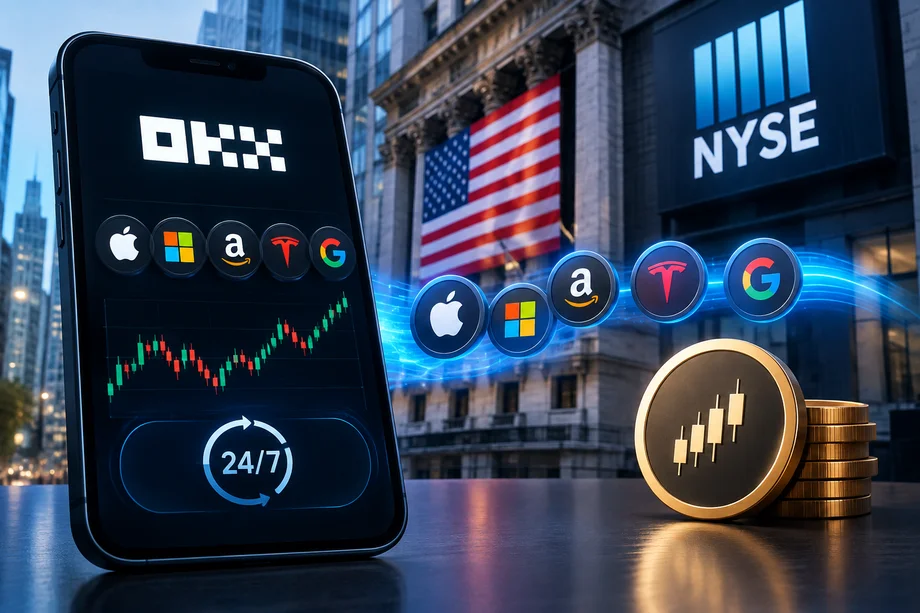
OKXICE Submits SEC Filing for 24/7 Tokenized NYSE Stocks Under New Exemption

SEC Grants Five-Year Innovation Exemption for Onchain Tokenized Stock Trading
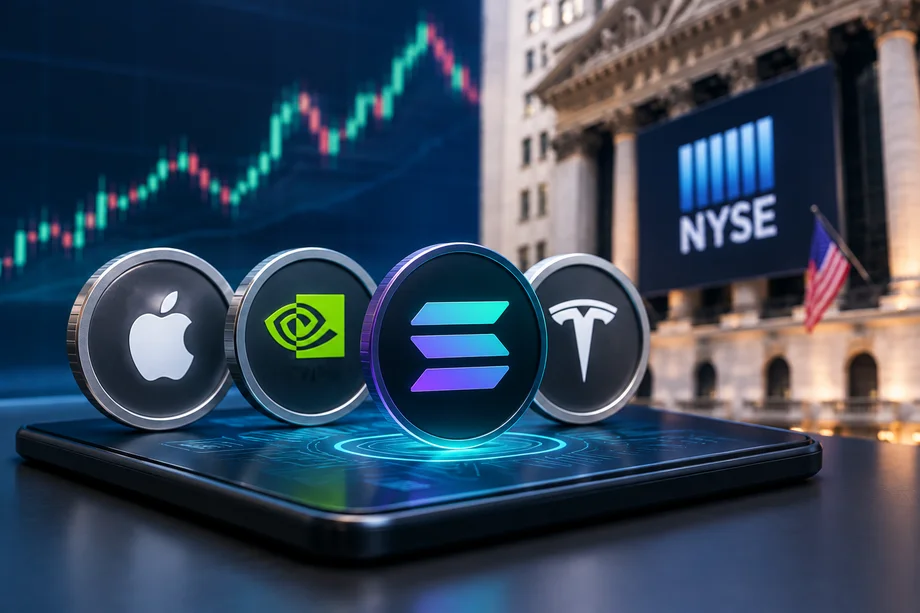
Securitize Brings Major U.S. Stocks to Solana for Eligible Investors
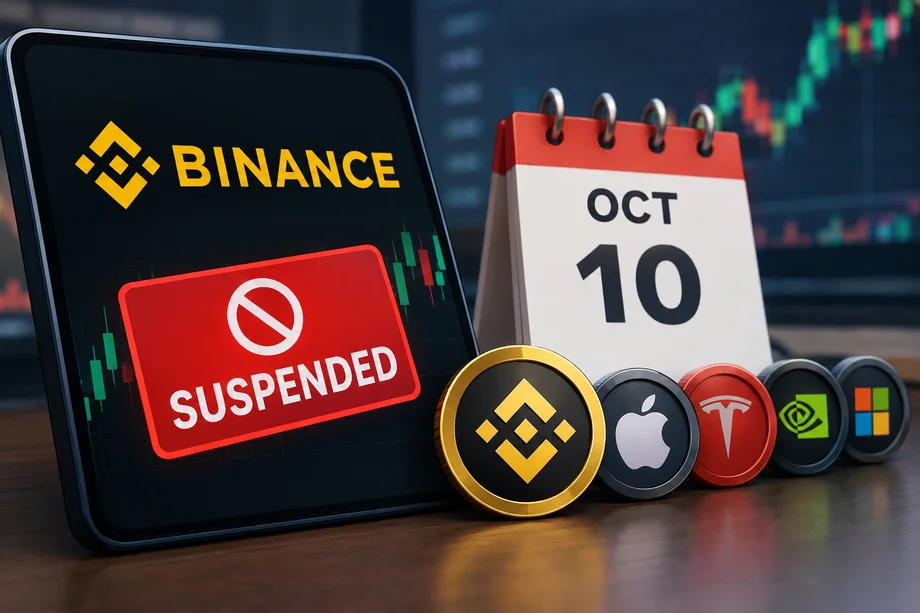
Binance Suspends US Stock Trading on October 10 for Maintenance

Robinhood CEO Defends Tokenized AMC Shares Against Company Objections
Latest articles
Ripple CTO Emeritus Flags Phishing Scam Aimed at SecuX Wallet Users Amid App Disruptions
Ledger Faces Scrutiny Over Delayed Warnings on Hardware Wallet Tampering

Higher Bank Deposit Rates Linked to Slower Stablecoin Expansion, BIS Research Shows

Bloomberg Strategist Sees Bitcoin at $10,000 if US Equities Fall 20%