Newsroom
South Korea Crypto Tax Petition Reaches 50,000 Signatures Ahead of 2027 Start
14 September, 2026 / News / AI / Tags: tax, petition, signatures, levy, petitioner

A petition seeking a two-year postponement of South Korea’s 22% cryptocurrency gains tax has reached 50,000 signatures, triggering parliamentary review while officials confirm the January 2027 start remains unchanged
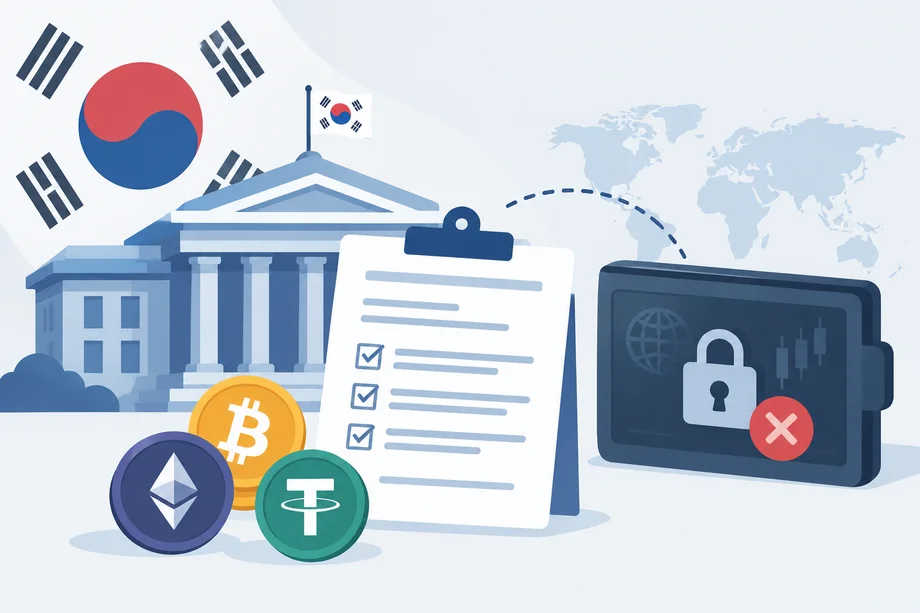
South Korean cryptocurrency investors have secured a formal legislative review of the planned digital asset tax after a public petition calling for a two-year delay collected the required 50,000 verified signatures. The campaign challenges the government’s schedule to introduce a 22% levy on crypto gains beginning January 1, 2027, following three previous postponements since the policy was first proposed in 2022.
Tax Framework and Scope
Under the current rules, the tax would apply to annual gains from digital assets that exceed a basic deduction of 2.5 million won, or approximately $1,856. Gains above that threshold face a combined rate of 22%, consisting of a 20% national tax plus a 2% local surcharge. The levy covers income from selling, transferring, or lending cryptocurrencies and other digital assets.
Authorities have delayed the measure three times amid concerns from investors and industry groups about readiness. The latest petition continues those objections and has now forced the National Assembly’s relevant standing committee to examine the request.
Petition Arguments and Industry Concerns
The anonymous petitioner stated that most investors currently hold losses and that major Korean crypto firms have seen operating profits drop by as much as 90%, with the broader industry operating at a deficit. The filing argued that introducing the tax now would strain companies already facing weaker trading volumes and could drive capital toward overseas platforms, reducing domestic exchange activity and related corporate tax contributions.
Additional points raised include gaps in tax infrastructure, such as methods for calculating acquisition costs, monitoring transactions, accounting for overseas trades, and handling losses across reporting periods. The petitioner also described cryptocurrency as a key wealth-building tool for younger citizens with limited access to traditional investments, warning that early taxation could create unequal opportunities. High market volatility was cited as a factor that could limit the government’s actual revenue from the levy.
A separate petition filed in May sought full abolition of the crypto tax. It gathered 50,000 signatures in eight days and reached committee review but advanced no further.
Government Position Remains Firm
Despite the petition’s success in triggering review, officials have given no sign of openness to a fourth delay. Lee Hyoung-Il, nominee for Minister of Economy and Finance, stated over the weekend that the tax remains on track for implementation on the planned date. He added that the National Tax Service will issue detailed taxation standards before the end of the year, which are expected to clarify reporting requirements, cost basis calculations, and compliance duties for investors and platforms.
South Korea’s electronic petition system automatically refers any proposal that gathers 50,000 verified signatures within 30 days to the appropriate standing committee. Reaching that threshold does not require lawmakers to approve the requested change. Parliamentary examination will allow further discussion of enforcement readiness and potential effects on the domestic crypto sector, yet the 22% tax on qualifying digital asset gains is set to take effect in 2027 unless legislators approve another postponement.
Disclaimer
This article was generated by AI using information from multiple industry sources. It has not been reviewed or verified by a human editor and may contain inaccuracies, omissions, or misinformation. Readers are encouraged to independently verify any information before making decisions based on its content.Tired of the noise?
Let the bots trade for you.
Trade 24/7, without emotion, with data-driven strategies.
Associated articles

South Korea Officials to Consult Crypto Exchanges Amid Push to Delay 22% Tax

France Finance Committee Approves Tax on Crypto-to-Stablecoin Swaps From 2027

South Korea Advances Crypto Framework as Tax Deadline Draws Near
South Korea Requires Reporting of Crypto Accounts on Bankrupt Overseas Exchanges

Greece Drafts 10% Tax on Crypto Gains With €500 Exemption
Latest articles

Mysterious Poems Repeatedly Appear on Bitcoin Blockchain Over 12 Days

Arthur Hayes Closes Maelstrom Positions With $22.28 Million Token Sales

Global X Canada Sets Monthly Distributions Across Four ETFs

IRS Plans Lower Penalties and Faster Resolutions for Voluntary Tax Disclosures, Including Crypto