Newsroom
Russia Authorizes Regulated Crypto Trading on Exchanges From November 22
12 November, 2026 / News / AI / Tags: trading, russia, moscow, cryptocurrency, digital
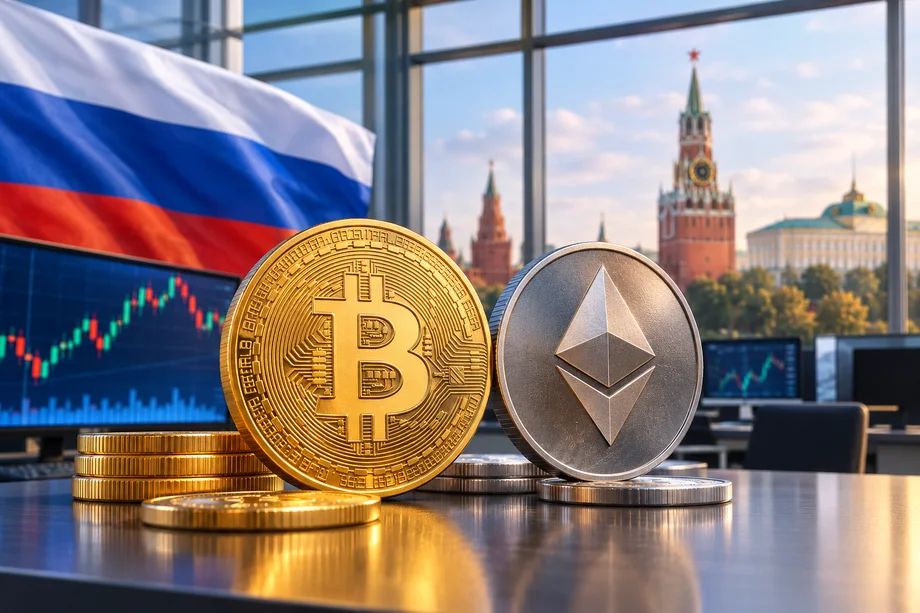
Domestic platforms may offer Bitcoin, Ether and USDT trading after securing central bank approval of their rules, with retail purchase limits in place
Russia has cleared the way for organized cryptocurrency trading on domestic exchanges beginning November 22, 2026. The Bank of Russia directive, registered by the Ministry of Justice, permits trading organizers to introduce digital asset markets through existing financial infrastructure once the regulator has approved each exchange’s operating rules.
The measure builds on the federal law on digital currencies and digital rights that took effect on September 1. That legislation created a supervised framework covering exchanges, brokers, cryptocurrency exchange providers and digital depositories while maintaining a ban on the use of crypto for payments inside the country.
Trading Rules and Oversight Requirements
Exchanges that wish to launch cryptocurrency trading must first register participating brokers, trust managers and central counterparties. They are required to maintain separate registers of orders and completed transactions and to monitor market activity. Platforms must also calculate and publish several pricing indicators, including current prices, weighted-average prices, market prices and closing prices.
Trading organizers will report ongoing activity and completed transactions to the central bank under the same procedures already used for other financial instruments. These obligations place cryptocurrency markets under the same supervisory arrangements that apply to traditional securities trading in Russia.
Approved Assets and Investor Access Rules
A separate central bank decision published on November 6 authorizes Bitcoin, Ether and Tether’s USDT for purchase by non-qualified investors. That list takes effect on November 17, allowing exchanges to admit the three assets to public trading from that date.
Non-qualified investors may purchase up to 300,000 rubles, equivalent to roughly 3,600 to 3,700 USD, in cryptocurrencies each year through any single intermediary. The limit applies separately to each broker, trust manager or registered cryptocurrency exchange provider. Qualified investors face no annual purchase cap and may access a wider range of digital assets.
All investors, regardless of status, must complete a knowledge test and review risk disclosures before trading. The central bank selected the retail-eligible assets on the basis of market capitalization, average daily trading volume and at least five years of pricing history on foreign exchanges.
Moscow Exchange Prepares December Launch
Moscow Exchange, the country’s largest securities platform, plans to begin cryptocurrency trading on December 1. The exchange has been testing transactions with professional market participants and intends to offer Bitcoin, Ether and USDT. Trading hours are expected to run from 6:50 a.m. to 11:50 p.m. Moscow time.
The venue will rely on existing market systems and the National Clearing Centre for clearing. Settlement will occur through a partner digital depository, with brokers providing client access. Moscow Exchange has indicated it can operate under its current regulatory permissions without obtaining additional licenses specific to cryptocurrency trading.
Other venues are also preparing. SPB Exchange has stated an intention to start organized crypto trading by the end of the year and is developing its own settlement digital depository.
Market Infrastructure Already Taking Shape
In October the Bank of Russia registered the first group of operators under the new framework. Four cryptocurrency exchange providers and five digital depositories received approval. The list included major banks such as Sberbank and VTB alongside specialized digital-asset firms.
Registered digital depositories may record and transfer cryptocurrencies and digital rights. Cryptocurrency exchange providers may buy and sell digital currencies on their own behalf outside organized trading. All registered institutions must bring their operations into full compliance with the legislation by September 1, 2027.
The November 22 effective date for the trading directive therefore sits within a broader sequence of regulatory steps that have progressively opened a supervised channel for cryptocurrency activity while preserving strict limits on retail exposure and domestic payments.


Disclaimer
This article was generated by AI using information from multiple industry sources. It has not been reviewed or verified by a human editor and may contain inaccuracies, omissions, or misinformation. Readers are encouraged to independently verify any information before making decisions based on its content.Tired of the noise?
Let the bots trade for you.
Trade 24/7, without emotion, with data-driven strategies.
Associated articles

Russia’s New Crypto Framework Takes Effect, Opening Regulated Trading in Bitcoin, Ethereum and USDT

Russia Finalizes Crypto Rules for Retail Trading Starting November 17
Putin Signs Russia’s First Comprehensive Crypto Law, Opens Regulated Trading
Russia Registers First Crypto Exchanges and Custodians Under New Digital Asset Rules

Russia’s Central Bank Issues Draft Rules for Organized Crypto Trading Ahead of September Framework
Latest articles

Upbit Suspends OSMO Deposits and Withdrawals After Osmosis Network Halts Block Production
DOJ and CFTC Sue Arkansas to Halt Enforcement Against Kalshi Prediction Markets

Two 2010 Bitcoin Mining Wallets Move 100 BTC Worth $6.9 Million After 16 Years

Nvidia Board Contacts Arm CEO Rene Haas in Search for Permanent Leader