Newsroom
Public Citizen Estimates $4.7 Billion Investor Losses from Trump Family Crypto Ventures
28 August, 2026 / News / AI / Tags: trump, liberty, president, losses, memecoin
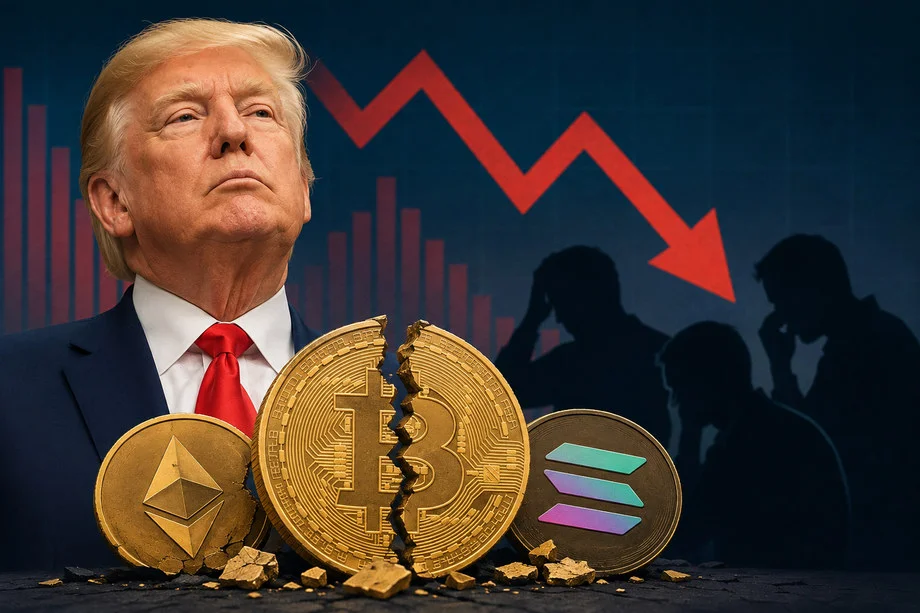
A consumer advocacy group calculated combined realized and unrealized losses across memecoins, tokens, NFTs and related holdings since 2022, while noting substantial related earnings for the president
A nonprofit consumer advocacy organization has estimated that digital asset projects linked to US President Donald Trump and his family have left investors at least $4.7 billion underwater since 2022. The figure covers both realized sales losses and paper declines on holdings that have not been sold.
The calculation draws on five products: the Official Trump memecoin known as TRUMP, the World Liberty Financial governance token, the president’s nonfungible token trading cards issued in 2022, Trump Media’s digital asset treasury, and the World Liberty USD1 stablecoin. The stablecoin portion was judged to have produced no major losses because it has maintained its intended one-dollar value.
Largest Losses Tied to TRUMP Memecoin
Most of the estimated total, $3.2 billion, is attributed to the TRUMP memecoin. The token launched on January 17, 2025, three days before the president’s second inauguration. Its price rose from under one dollar to an all-time high of about $73 before declining sharply and trading far lower in recent months.
Analysis cited in the report indicates that roughly 65 percent of examined retail wallets holding the token were underwater by a combined $3.2 billion. Only a portion of that sum represents losses locked in through actual sales; the rest remains unrealized. The organization described the bulk of the decline as a transfer of wealth from later buyers to a relatively small group of early participants rather than capital that simply disappeared. The top 1 percent of profitable wallets captured the large majority of gains, with those entering in the first two days of trading collecting nearly 90 percent of profits.
President Trump did not purchase the tokens with personal capital. A company he owns licensed the name and brand, generating an estimated $635 million in licensing fees during 2025. Two entities connected to the project retained 80 percent of the one-billion-token supply, scheduled for gradual release over three years, and continue to collect trading-related revenue regardless of price direction.
World Liberty Token, Trading Cards and Media Holdings
World Liberty Financial’s governance token, associated with projects involving Eric Trump and Donald Trump Jr., accounted for at least an additional $1 billion in estimated losses. The token reached a peak near $0.33 in September 2025 before falling to roughly $0.057 by the time of the assessment. Public-market buyers who entered near the high faced declines of as much as 83 percent, while some earlier private purchasers recorded gains.
A Nasdaq-listed firm that acquired billions of the tokens for about $1.46 billion later marked the position down by roughly $1.04 billion. Retail wallet data from decentralized exchanges showed a large majority of participants underwater, though the overall figure is described as a minimum because centralized-exchange activity could not be fully measured.
The 2022 NFT trading cards, originally sold at $99 each, contributed an estimated $9.3 million in losses after aggregate market value fell from $12.3 million to about $3 million across the series examined. Licensing fees and secondary-market royalties from the cards generated roughly $7.2 million for Trump. Trump Media’s digital-asset treasury was linked to an estimated $450 million loss for shareholders of the publicly traded company.
Reported Earnings and Official Response
While investors absorbed the calculated declines, Trump’s June 2026 financial disclosure listed more than $1 billion in crypto-related income for 2025, with some tallies placing the total near $1.4 billion. That sum included memecoin licensing fees, World Liberty token-sale proceeds and equity-related amounts, NFT royalties, and other revenue streams. Holdings still owned at the time of the filing, such as Bitcoin and continued exposure to World Liberty assets, were reported separately and often within value ranges rather than exact figures.
White House officials have not issued an immediate response to the latest loss estimates. Spokesperson Anna Kelly has previously stated that there are no conflicts of interest involving the president’s digital asset activities and that neither Trump nor his family has engaged in such conflicts. The White House has maintained that the president does not manage day-to-day operations of the related companies.
Calls for Ethics Rules in Pending Legislation
The advocacy group used its findings to renew pressure for ethics requirements in the Digital Asset Market Clarity Act, a bipartisan market-structure bill scheduled for a Senate cloture vote on September 15. The measure would create federal categories for digital assets, allocate oversight between the Securities and Exchange Commission and the Commodity Futures Trading Commission, and set rules on registration, custody and customer protections.
Public Citizen argued that the president’s policy decisions and private financial interests cannot be separated and urged lawmakers to require a sitting president and immediate family members to divest from direct investments in the digital asset industry. Ethics provisions remain among the contested elements of ongoing Senate negotiations.
Last week the president met with executives from several crypto firms and encouraged passage of a “fair version” of the legislation once the Senate reconvenes. The cloture threshold requires support from at least 60 senators.
Zach Everson, research director for the group’s Trump Accountability Project and author of the report, cautioned against dismissing those who bought the products. He noted that buyers “got screwed over nevertheless,” even while acknowledging the temptation to criticize their decisions.
The $4.7 billion estimate is subject to change because it incorporates unrealized paper losses. Token prices could recover or decline further, altering the final amounts for holders who have not sold.


Disclaimer
This article was generated by AI using information from multiple industry sources. It has not been reviewed or verified by a human editor and may contain inaccuracies, omissions, or misinformation. Readers are encouraged to independently verify any information before making decisions based on its content.Tired of the noise?
Let the bots trade for you.
Trade 24/7, without emotion, with data-driven strategies.
Associated articles

Trump Memecoin Leaves Nearly One Million Buyers With Billions in Losses

Trump's Record Crypto Earnings Fuel Ethics Debate in Washington

Democratic Senators Demand Hearings on Trump Crypto Holdings and Security Concerns

Trump Team Moves $16.9 Million in TRUMP Tokens as CLARITY Act Vote Nears
TRUMP Team-Linked Wallets Withdraw $3.39M USDC Amid Price Rally
Latest articles

SpaceX and Tesla Set Up Committees to Explore Merger That Would Combine Holdings of Over 30,000 Bitcoins
UK Banks Face Thousands of Complaints Over Crypto Transfer Restrictions

Ripple Backs SEC Proposed Crypto Asset Rules After $150 Million Legal Battle

Blockchain.com Introduces Options Trading on Seven Major Crypto Assets