Newsroom
Missouri Sues CoinFlip Over Crypto ATM Fraud and Hidden Fees
21 May, 2026 / News / AI / Tags: coinflip, missouri, atms, lawsuit, fraud
State Attorney General Targets Major Operator for Enabling Scams Targeting Vulnerable Residents
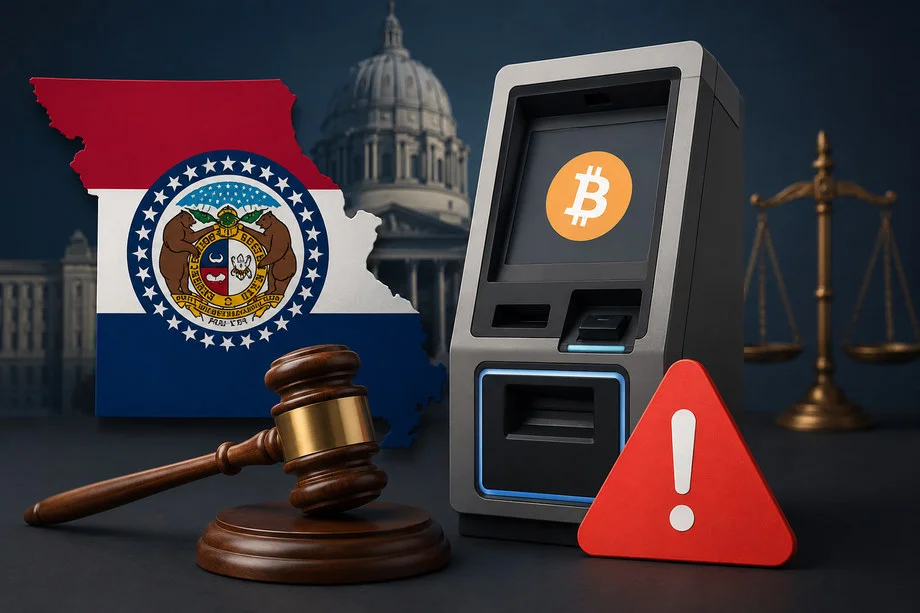
Missouri Attorney General Catherine Hanaway has filed a lawsuit against GPD Holdings LLC, operating as CoinFlip, accusing the company of facilitating fraudulent transactions through its network of cryptocurrency ATMs and charging excessive, poorly disclosed fees. The action reflects growing state-level efforts to address risks associated with crypto kiosks across the United States.
- Filed in Jasper County Circuit Court against GPD Holdings LLC d/b/a CoinFlip
- Seeks to ban CoinFlip operations in Missouri
- Demands up to $1.826 million in civil penalties ($1,000 per violation over five years)
- Calls for restitution to affected consumers
- Alleges violations of the Missouri Merchandising Practices Act
Allegations of Enabling Fraud
The lawsuit claims CoinFlip knowingly allowed scammers to use its machines to move funds from victims, particularly seniors and veterans. Authorities describe crypto ATMs as tools that make recovery of stolen money nearly impossible due to the irreversible nature of cryptocurrency transactions.
State officials launched an investigation into crypto ATM operators in December 2025 following numerous consumer complaints. The probe linked around 350 crypto-related cases in recent years to such kiosks. Federal Trade Commission data cited in reports shows losses from crypto ATM fraud increased nearly tenfold between 2020 and 2023.
Victim Stories Highlight Impact
The lawsuit details cases involving three Missouri residents who lost significant sums:
- An 80-year-old military veteran lost between $180,000 and $200,000 after falling for a romance-investment scam, draining savings, selling his car, and nearly losing his home.
- A woman targeted by fake police officers claiming warrants paid $1,000 at a CoinFlip machine despite warnings from a store employee.
- Another resident lost $900 after a similar impersonation scam involving alleged arrest warrants.
In each case, victims reported limited or no clear disclosure of fees at the time of transaction, and attempts to reverse or recover funds through CoinFlip yielded minimal or no results.
Concerns Over Hidden and Excessive Fees
Authorities allege CoinFlip displays a nominal $2.99 fee on its machines while actual fees, outlined in detailed terms of service, can reach up to 21.9% of the transaction amount. For example, a $100 deposit might yield only about $75-76 in Bitcoin value. The lawsuit argues the company could easily show full fees on-screen but chooses not to, prioritizing profits from each transaction.
CoinFlip's Operations and Response
CoinFlip operates over 4,200 ATMs nationwide, including 136 in Missouri. The company positions itself as a safe option for buying cryptocurrency, citing Know Your Customer processes as safeguards against crime. Its training materials reportedly acknowledge elder financial exploitation as a growing issue.
In response to the lawsuit, CoinFlip described the claims as meritless, stating it has advocated for stronger consumer protection laws and licensing requirements in Missouri and other states. The company emphasized its efforts to support regulation aimed at stopping scammers rather than targeting licensed operators.
Broader Industry Pressure
This case is part of a wider crackdown on crypto ATMs. Other states have introduced restrictions or bans, citing similar fraud concerns. Bitcoin Depot, a major competitor with thousands of machines, recently filed for Chapter 11 bankruptcy protection amid mounting legal judgments exceeding $20 million.
- Multiple states pursuing actions against crypto kiosk operators
- Increasing calls for clearer federal standards on consumer protections
- Focus on safeguards for elderly and vulnerable populations
The Missouri lawsuit will examine whether CoinFlip's warnings, policies, and compliance measures meet state consumer protection requirements. It underscores ongoing debates about balancing innovation in cryptocurrency access with effective fraud prevention.
As enforcement actions continue, regulators and industry participants face questions about the future role of physical crypto ATMs and necessary improvements in transaction transparency and security protocols.
Disclaimer
This article was generated by AI using information from multiple industry sources. It has not been reviewed or verified by a human editor and may contain inaccuracies, omissions, or misinformation. Readers are encouraged to independently verify any information before making decisions based on its content.Tired of the noise?
Let the bots trade for you.
Trade 24/7, without emotion, with data-driven strategies.
Associated articles

Hawaii Bans Cash-to-Crypto Transactions at Kiosks Starting October 1

CFTC Alerts Public to $388 Million Crypto ATM Scam Losses in 2025

Arizona Recovers $171,332 for Crypto ATM Scam Victims Under Refund Law

Minnesota Bans Crypto ATMs in Major Crackdown on Escalating Scams
Bitcoin Bancorp Buys 2,547 Crypto ATMs From Bankrupt Bitcoin Depot for $620,750
Latest articles

SpaceX and Tesla Set Up Committees to Explore Merger That Would Combine Holdings of Over 30,000 Bitcoins

UK Banks Face Thousands of Complaints Over Crypto Transfer Restrictions

Ripple Backs SEC Proposed Crypto Asset Rules After $150 Million Legal Battle

Blockchain.com Introduces Options Trading on Seven Major Crypto Assets