Newsroom
Kinetiq Unveils Elysium Layer-2 Network for Hyperliquid Using HYPE Gas
26 August, 2026 / News / AI / Tags: kinetiq, elysium, kntq, hyperevm, hypercore

Kinetiq announced Elysium, a new Layer-2 network for Hyperliquid that uses HYPE as gas and directs half of sequencer fees to KNTQ buybacks and burns, targeting faster spot trading and DeFi activity
Kinetiq, the protocol behind kHYPE, Hyperliquid’s largest liquid-staking token, announced on August 24 the development of Elysium, a Layer-2 network built for the Hyperliquid ecosystem. The network is designed to address performance constraints in the existing HyperEVM environment while expanding opportunities for spot trading, token launches, automated market making, and decentralized finance applications.
Elysium will use HYPE as its native gas token from the outset rather than introducing a separate asset. Kinetiq stated that the network will connect more directly to HyperCore, Hyperliquid’s native order book and matching engine, with the goal of delivering faster block times and higher throughput than HyperEVM currently provides.
Addressing HyperEVM Limitations
Kinetiq identified several issues with HyperEVM’s dual-block architecture, including restricted capacity and elevated transaction costs during periods of heavy activity. The protocol noted that a basic swap has cost as much as $20 under congested conditions, creating barriers for high-frequency trading strategies and application developers.
Elysium aims to offer a high-performance Ethereum-compatible execution environment with closer integration to HyperCore. Kinetiq has indicated that the network is expected to support advanced trading systems and applications that require low latency. Technical specifications, infrastructure partners, security audits, and a firm mainnet date have not yet been released. The company described the launch as imminent and said further details would follow soon.
Fee Structure and KNTQ Buybacks
Sequencer fee revenue on Elysium will be allocated as follows: 50 percent directed to open-market purchases of KNTQ, Kinetiq’s token, with all acquired tokens burned through the Hyperliquid Assistance Fund; 25 percent allocated to applications that generate activity on the network; and 25 percent directed to Kinetiq’s treasury.
This structure ties a portion of network fee income to KNTQ demand independent of the volume of HYPE staked through Kinetiq’s liquid-staking product. Kinetiq currently reports approximately $1.26 billion in total value locked, a figure that has risen more than one-third in the past month. However, kHYPE’s share of all staked HYPE has declined from roughly 10.4 percent a year earlier to about 4.4 percent, according to available data.
Focus on Spot Markets, PropAMMs, and Token Lifecycle
While Hyperliquid has established a strong position in perpetual futures trading, its spot market activity and broader DeFi usage have lagged. Kinetiq reported that Hyperliquid’s share of spot volume relative to major centralized exchanges has reached one of its lowest levels, with activity in HIP-2 spot markets also declining.
Elysium is intended to support proprietary automated market maker protocols known as PropAMMs. These are expected to benefit from proximity to HyperCore and from an adapted version of Hyperliquid’s L1Read precompile, which would provide applications with expanded access to trading data beyond the best bid and offer.
The network is positioned to support a fuller token lifecycle. Projects could launch tokens and establish initial liquidity through automated market makers on Elysium, progress to HyperCore spot markets, and later pursue perpetual listings under HIP-3, subject to applicable requirements and market conditions.
| Feature | HyperEVM | Elysium |
|---|---|---|
| Native gas token | Not HYPE | HYPE |
| Block times | Slower | Faster (targeted) |
| Transaction fees | Up to $20 in congestion | Lower (expected) |
| Primary focus | Derivatives support | DeFi, spot, token launches |
| Sequencer fee split | Not applicable | 50% KNTQ buyback and burn, 25% builders, 25% treasury |
Market Response and Outlook
Following the announcement, KNTQ rose as much as 30 percent before partially retracing. As of August 25 it traded near $0.2289, up nearly 10 percent over the prior 24 hours. HYPE showed limited movement, trading around $80 after a brief dip into the high $70s.
Kinetiq has not published independent performance benchmarks, revenue projections, or commitments on the scale of future buybacks. The network’s impact will depend on its ability to attract sustained liquidity, developers, and users once technical details and a launch timeline are confirmed. Until then, claims regarding speed, capacity, and integration remain forward-looking statements from the protocol.

Disclaimer
This article was generated by AI using information from multiple industry sources. It has not been reviewed or verified by a human editor and may contain inaccuracies, omissions, or misinformation. Readers are encouraged to independently verify any information before making decisions based on its content.Tired of the noise?
Let the bots trade for you.
Trade 24/7, without emotion, with data-driven strategies.
Associated articles
Hyperliquid Ecosystem Expands as HYPE Token Faces Pressure From Risk-Off Markets

Hyperliquid Activates AQAv2 Framework to Channel USDC Yield into HYPE Buybacks
Robinhood Chain Posts $2.66 Million in Daily App Revenue, Surpassing Ethereum and Hyperliquid

Hyperliquid HYPE Token Joins Bitwise 10 Crypto Index ETF
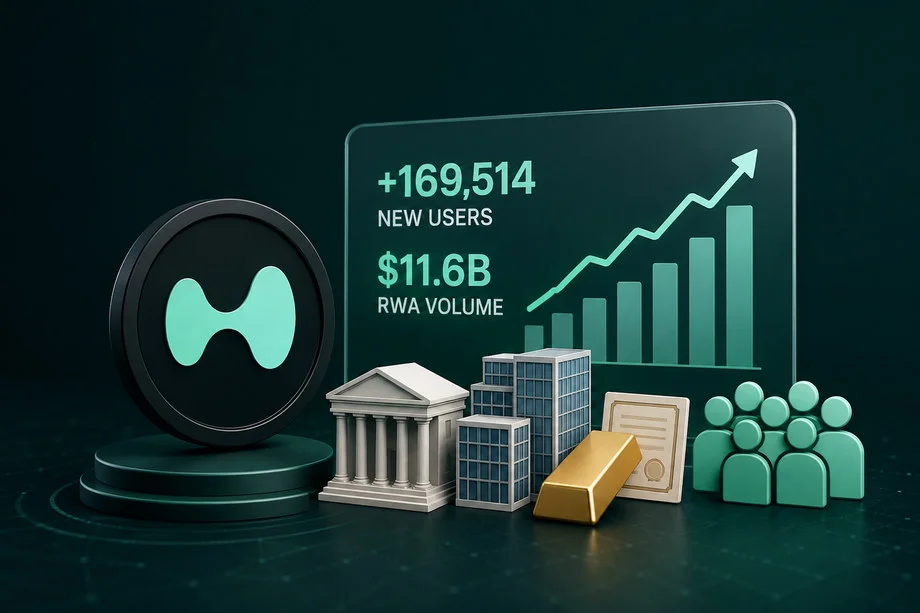
Hyperliquid Draws 169,000 RWA Users in H1 2026 as Trading Hits $111.6 Billion
Latest articles

SpaceX and Tesla Set Up Committees to Explore Merger That Would Combine Holdings of Over 30,000 Bitcoins

UK Banks Face Thousands of Complaints Over Crypto Transfer Restrictions

Ripple Backs SEC Proposed Crypto Asset Rules After $150 Million Legal Battle

Blockchain.com Introduces Options Trading on Seven Major Crypto Assets