Newsroom
Justin Sun Demands Delisting of Trump-Linked WLFI Token and USD1 Amid Sharp Sell-Off
28 November, 2026 / News / AI / Tags: sun, wlfi, circular, liberty, project

Tron founder accuses World Liberty Financial of fraud and circular lending as its governance token plunges more than 50 percent and its stablecoin briefly loses its dollar peg
Tron founder Justin Sun on November 28 called on cryptocurrency exchanges to delist the WLFI token and USD1 stablecoin issued by World Liberty Financial, a project linked to the Trump family. Sun alleged that insiders engaged in circular borrowing to extract cash, violated asset-sale rules, unlawfully froze investor holdings and committed investor fraud. He also urged regulators, law-enforcement agencies and courts to require disclosure of where related funds went.
In a post on X, Sun stated that the episode represented “yet another instance of insiders borrowing in a circular fashion to cash out, selling in violation of the rules, unlawfully freezing investors’ assets, and defrauding investors.” He added that team members had begun mass-deleting social-media posts and communications in an effort to conceal their actions. Sun provided no wallet addresses, transaction hashes or specific loan details in the post to support the claims.
WLFI, the project’s governance token, fell sharply. Data showed a 24-hour decline of roughly 53 percent to about $0.01956, with an intraday low near $0.01579 against a high of $0.04159. The token stood approximately 96 percent below its September 2025 peak of around $0.46. Circulating market capitalization was reported near $623 million, with spot trading volume exceeding $200 million in the same period.
Market Pressure and Liquidations
Futures markets amplified the move. Approximately $16.89 million in WLFI positions were liquidated, of which about $15.18 million came from long positions. Open interest dropped roughly 63 percent to $106 million. One exchange restricted its WLFI perpetual contract to reduce-only orders, preventing new positions from being opened.
At the same time, a wallet identified by on-chain trackers as World Liberty Financial’s strategic reserve sold roughly 10,600 ETH and additional staked ETH, receiving about $20.06 million in stablecoins. The assets had been acquired at higher prices, producing an estimated realized loss near $19 million. The project had not publicly explained the purpose of the sale at the time of the reports.
USD1, the dollar-pegged stablecoin issued with BitGo as custodian and backed by short-term U.S. government securities, money-market funds and dollar deposits, briefly traded as low as $0.9394 before recovering toward $0.995. The temporary deviation from the $1 target prompted arbitrage activity, with one firm reported buying discounted tokens on exchanges and redeeming them at face value through the custodian.
Long-Running Dispute Between Sun and the Project
Sun’s public criticism follows a prolonged conflict. He previously invested approximately $45 million and received a large allocation of WLFI tokens, later becoming an adviser. In 2025 the project froze tokens linked to him. Sun and affiliated entities filed a federal lawsuit in California in April 2026 alleging unlawful freezes and seeking restoration of control over the holdings. World Liberty Financial responded with a defamation suit in May, asserting that restrictions were permitted under disclosed sale terms and accusing Sun of a campaign to depress the token price.
Earlier exchange actions had already affected the assets. HTX, where Sun has served in an advisory capacity, suspended USD1 trading pairs in June after stating that certain addresses had been frozen. Another platform later delisted both WLFI and USD1 spot pairs.
World Liberty Financial is associated with Donald Trump and his sons. Prior reporting indicated the family held a substantial equity stake in the venture. As of the latest available information, the project had not issued a public response to Sun’s November 28 allegations, and no major exchange had announced an immediate delisting of either token.
Sun’s demands included placing the assets on warning lists, restricting new deposits and compelling disclosure of fund movements. The price decline, reserve-wallet sale and stablecoin depegging together placed the project under heightened market and public scrutiny.


Disclaimer
This article was generated by AI using information from multiple industry sources. It has not been reviewed or verified by a human editor and may contain inaccuracies, omissions, or misinformation. Readers are encouraged to independently verify any information before making decisions based on its content.Tired of the noise?
Let the bots trade for you.
Trade 24/7, without emotion, with data-driven strategies.
Associated articles
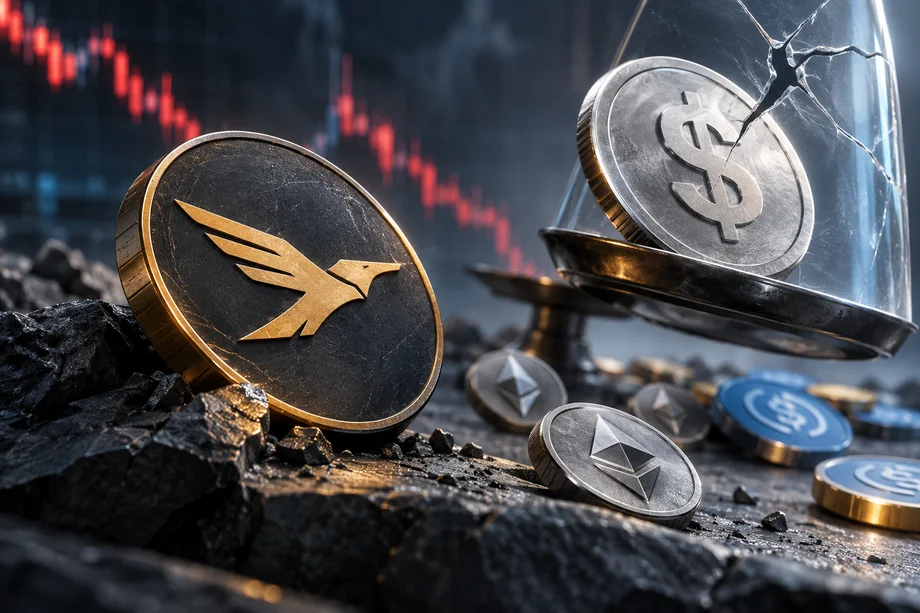
WLFI Token Plunges Over 50% as Reserve ETH Sale and USD1 Depeg Pressure Trump-Linked Project
Trump-Backed World Liberty Financial Readies App and USD1 Payments for Online Merchants

Trump-Backed World Liberty Financial Launches WLFI Token Buyback After Sharp Decline

Justin Sun Secures Partial Court Victory Keeping Claims Against World Liberty Public
World Liberty Financial Appoints Ex-Coinbase Executive as Chief Business Officer
Latest articles

Binance Hackers Route Over $600 Million Through THORChain as Laundering Efforts Widen
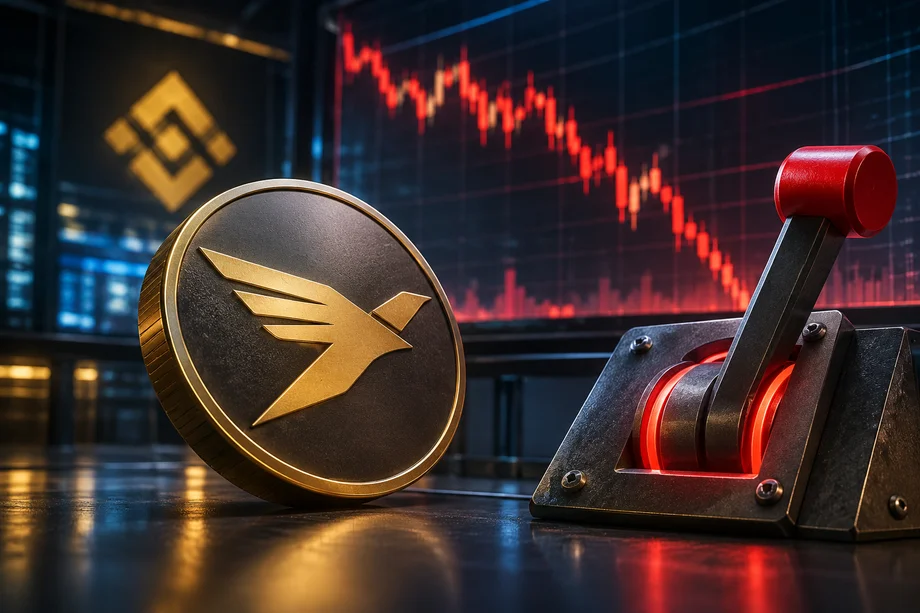
Binance Auto-Closes WLFI Futures as Open Interest Drops 77% in 90 Minutes

Binance Founder Zhao Weighs Legal Action Over Netflix's Portrayal of Him in FTX Drama
Bybit Withholds Full Postmortem of $1.4 Billion February 2025 Hack