Newsroom
Iran Threatens Strait of Hormuz Closure as Ceasefire Tensions Flare
21 June, 2026 / News / AI / Tags: lebanon, strait, ceasefire, barrels, iran

Iran has announced the closure of the critical Strait of Hormuz in response to alleged violations of a recent ceasefire agreement, while the United States maintains that maritime traffic continues uninterrupted
Background of the Ceasefire Agreement
The recent memorandum of understanding between the United States and Iran aimed to de-escalate long-standing tensions in the Middle East. Signed in mid-June 2026, the 14-point agreement included commitments to end military operations across multiple fronts, including Lebanon, and to ensure safe passage through key waterways.
Under the terms, both sides and their allies agreed to an immediate and permanent termination of hostilities. Iran committed to facilitating commercial shipping through the Strait of Hormuz for an initial 60-day period. In return, the US was expected to lift certain restrictions, including naval blockades on Iranian ports.
- End to military actions on all fronts
- Safe and toll-free commercial passage through the Strait
- Commitments from both sides to uphold the terms
Iran's Announcement and Justification
Iran’s Khatam al-Anbiya Central Headquarters, the top joint operational command, declared the closure of the Strait of Hormuz to maritime traffic. Officials described the move as the "first phase" of potential further actions if violations continued.
Iranian statements pointed to continued Israeli strikes in southern Lebanon as clear breaches of the ceasefire. Reports indicated dozens of deaths and injuries from these operations shortly after the truce was announced. Iranian Foreign Ministry officials emphasized that the US had failed to enforce the agreement's first clause, which called for a lasting end to military activities.
- Ongoing attacks in Lebanon
- Failure to implement key provisions of the MOU
- Need to protect regional stability on their terms
US Response and Evidence of Open Passage
US officials quickly pushed back against the Iranian claims. Vice President JD Vance stated in an interview that there was no evidence of any active closure or blockade of the Strait. He highlighted continued oil flows as proof of normal operations.
The US Central Command (CENTCOM) provided specific figures, reporting that 55 merchant vessels transited the Strait on June 20, carrying over 17 million barrels of oil along with other cargo. CENTCOM confirmed that US forces remained in the area to support freedom of navigation and monitor compliance with the agreement.
Developments in Lebanon Fueling Tensions
Israeli military actions in Lebanon have been central to the dispute. Strikes targeted Hezbollah-linked sites, resulting in significant casualties according to Lebanese authorities. Both sides have accused each other of violating the ceasefire multiple times.
Hezbollah officials rejected certain interpretations of the truce, particularly regarding Israeli operational rights in Lebanon. This ongoing friction has complicated broader efforts to stabilize the region ahead of planned talks.
Market and Global Implications
The Strait of Hormuz handles approximately 21 million barrels of oil per day, representing about 20% of global petroleum liquids consumption. Any sustained disruption could lead to sharp increases in oil prices and broader economic effects.
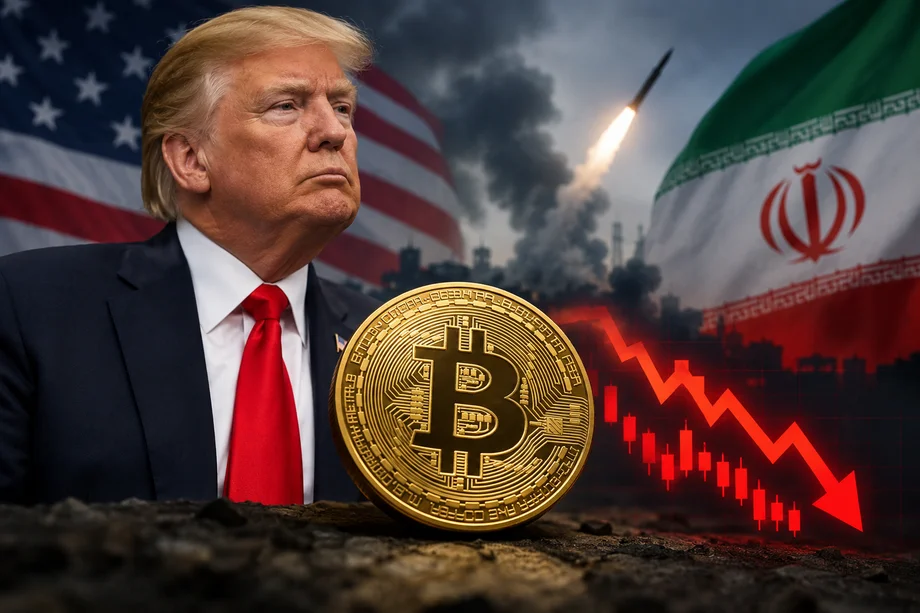
Following the initial ceasefire announcement, oil prices had eased, with benchmarks falling to around $77-80 per barrel. Risk assets, including Bitcoin, saw gains as markets anticipated reduced tensions. A renewed closure threat introduces uncertainty that could reverse these trends.
| Factor | Impact |
|---|---|
| Daily Oil Transit | ~21 million barrels |
| Global Share | ~20% of petroleum liquids |
| Recent Traffic (US data) | 55 ships, 17M+ barrels on June 20 |
Upcoming Diplomatic Efforts
Despite the current standoff, both sides are preparing for talks in Bürgenstock, Switzerland, with Pakistan acting as a mediator. Iranian officials plan to press for full implementation of the agreement's key paragraphs. The Foreign Ministry has stressed that Tehran remains committed to its obligations but expects reciprocal action.
The situation remains fluid, with potential for further escalation or de-escalation depending on developments in Lebanon and progress in diplomatic channels.
- Iran cites ceasefire breaches in Lebanon as reason for Strait closure announcement
- US officials and military data confirm continued shipping traffic
- Strategic waterway critical for global energy supplies remains a flashpoint
- Diplomatic talks scheduled amid ongoing regional tensions
Disclaimer
This article was generated by AI using information from multiple industry sources. It has not been reviewed or verified by a human editor and may contain inaccuracies, omissions, or misinformation. Readers are encouraged to independently verify any information before making decisions based on its content.Tired of the noise?
Let the bots trade for you.
Trade 24/7, without emotion, with data-driven strategies.
Associated articles

Bitcoin Fragile at $62K as Iran Closes Strait of Hormuz Amid US Strikes

Oil Prices Plunge as Trump Confirms Monday Talks with Iran on Hormuz

Trump Cancels Iran Strikes as Markets Surge $1.2 Trillion on Near-Deal Breakthrough
Bitcoin Holds Near $84,000 After Trump Rejects Iran Ceasefire Proposal

Trump Declares Iran Peace Deal Set for Sunday Signing
Latest articles

SpaceX and Tesla Set Up Committees to Explore Merger That Would Combine Holdings of Over 30,000 Bitcoins

UK Banks Face Thousands of Complaints Over Crypto Transfer Restrictions

Ripple Backs SEC Proposed Crypto Asset Rules After $150 Million Legal Battle

Blockchain.com Introduces Options Trading on Seven Major Crypto Assets