Newsroom
Bitcoin Holds Near $84,000 After Trump Rejects Iran Ceasefire Proposal
26 September, 2026 / News / AI / Tags: iran, ceasefire, tehran, oil, nuclear
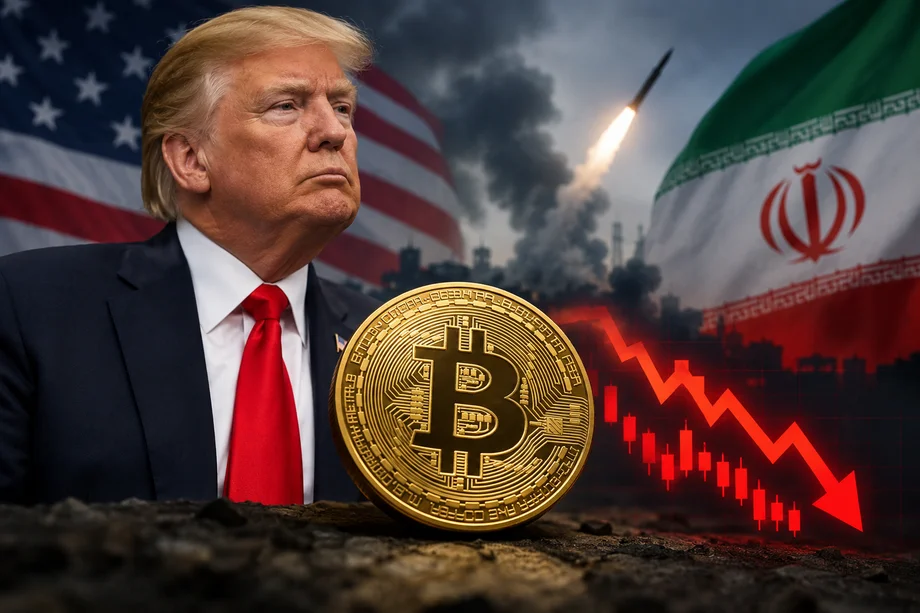
President Donald Trump has turned down Tehran’s seven-day proposal, with reports saying U.S. strikes could resume after the November midterms, sending Bitcoin lower from recent highs above $87,000
Bitcoin traded near the $84,000 level on Saturday after declining from weekly peaks above $87,000 following reports that U.S. President Donald Trump rejected Iran’s latest ceasefire proposal. The digital asset fell roughly 3.8 percent in the immediate aftermath as markets priced in the possibility of renewed military action after the November 2026 midterm elections.
The rejection left crypto markets as the primary venue to absorb the news over the weekend, when traditional equity and oil markets were closed. Global cryptocurrency market capitalization slipped below $3 trillion amid the pullback.
Details of Iran’s Proposal
Iranian Foreign Minister Abbas Araghchi presented a seven-day ceasefire plan through Qatari mediators. Under the outline, the United States would first fulfill existing commitments. Iran would then reopen the Strait of Hormuz on day six, with nuclear negotiations restarting on day seven.
Tehran also offered to restore normal shipping through the strategic waterway and resume discussions on its nuclear program. In exchange, Iran sought the lifting of the U.S. naval blockade, eased sanctions on Iranian oil exports, and support for a broader regional ceasefire that would include Lebanon.
The plan closely resembled an earlier temporary truce that collapsed after a short pause in fighting.
Reasons Behind the Rejection
According to reports citing U.S. officials, Trump rejected the proposal for several reasons. Washington believes sustained economic pressure, including the naval blockade that has restricted Iran’s access to ports and oil revenues, could push Tehran toward a more comprehensive agreement.
Officials also expressed skepticism that Iran would fully honor nuclear and regional commitments. Some viewed the seven-day framework as a temporary pause that might allow the Islamic Revolutionary Guard Corps to regroup and resume oil exports. In addition, U.S.-led efforts have already kept some oil tankers moving through the region, reducing the urgency to lift the blockade solely in return for reopening the Strait of Hormuz.
Trump has reportedly told close aides that he expects strikes to resume after the November midterms. Publicly, he has maintained that Tehran will eventually seek a deal requiring the dismantling of its nuclear program. Iran stated it was still awaiting a formal American response, with mediation channels remaining open.
Bitcoin Price Action and Technical Levels
Bitcoin had climbed above $87,000 earlier in the week, with some reports citing a high near $87,395, before sliding to around $83,250. It later stabilized near $84,000. The decline coincided with the ceasefire rejection news, though the largest drop occurred midweek.
Trader Ash Crypto noted that the current price structure appears similar to the 2022 cycle bottom and the subsequent accumulation phase that preceded a major advance.
According to that analysis, Bitcoin broke out of the $76,000–$80,000 range before advancing toward $87,000. It is now testing the $83,000–$84,000 zone. Holding the $80,000–$82,000 area would preserve the existing structure, while a return above $87,000 could open a path toward $92,000. A break below $80,000 would risk a move toward $76,000.
Support near $84,021 and resistance around $87,333 have drawn attention from market analysts tracking short-term levels. Funding rates and open interest in derivatives markets pointed to a cautious but not fully risk-off positioning.
Broader Market Context
Energy markets provided an additional channel of pressure. Brent crude closed a recent session near $104.32 a barrel, approximately 36 percent higher than levels recorded in early July when prior strikes resumed. Elevated oil prices have previously fed inflation concerns and tighter liquidity conditions that tend to weigh on high-volatility assets such as cryptocurrencies.
Long-term Bitcoin holders largely remained inactive during the latest move, while shorter-term speculative positions absorbed the bulk of liquidations during the midweek decline. The episode continued a pattern seen throughout the year in which developments in the U.S.-Iran conflict have repeatedly influenced Bitcoin’s short-term direction.
Iran has indicated it remains open to dialogue through regional mediators while waiting for an official U.S. reply. Markets will continue monitoring any further statements from Washington or Tehran for signs of de-escalation or renewed confrontation in the coming weeks.

Disclaimer
This article was generated by AI using information from multiple industry sources. It has not been reviewed or verified by a human editor and may contain inaccuracies, omissions, or misinformation. Readers are encouraged to independently verify any information before making decisions based on its content.Tired of the noise?
Let the bots trade for you.
Trade 24/7, without emotion, with data-driven strategies.
Associated articles

Oil Prices Plunge as Trump Confirms Monday Talks with Iran on Hormuz

Trump Cancels Iran Strikes as Markets Surge $1.2 Trillion on Near-Deal Breakthrough

Bitcoin Holds Near $78,000 as U.S.-Iran Escalation Drives Oil Higher
Bitcoin Rebounds Above $82,000 After Trump Rules Out Iran Strikes Before Midterms

Bitcoin Nears $66K as Trump Iran Peace Deal Eases Geopolitical Tensions
Latest articles

Network School Acquires Farcaster, Rebrands as Network State Protocol with New User Rules

US Judge Rejects Gemini and CFTC Bid to Void $5 Million Settlement

Capital B Posts $78 Million H1 Loss on Bitcoin Impairment While Expanding Holdings

Solana Accelerate China Event in Shanghai Suspended After Police Presence Reported