Newsroom
Iran Launches Bitcoin-Backed 'Hormuz Safe' Insurance for Ships Transiting Strategic Strait
18 May, 2026 / News / AI / Tags: hormuz, strait, insurance, persian, gulf
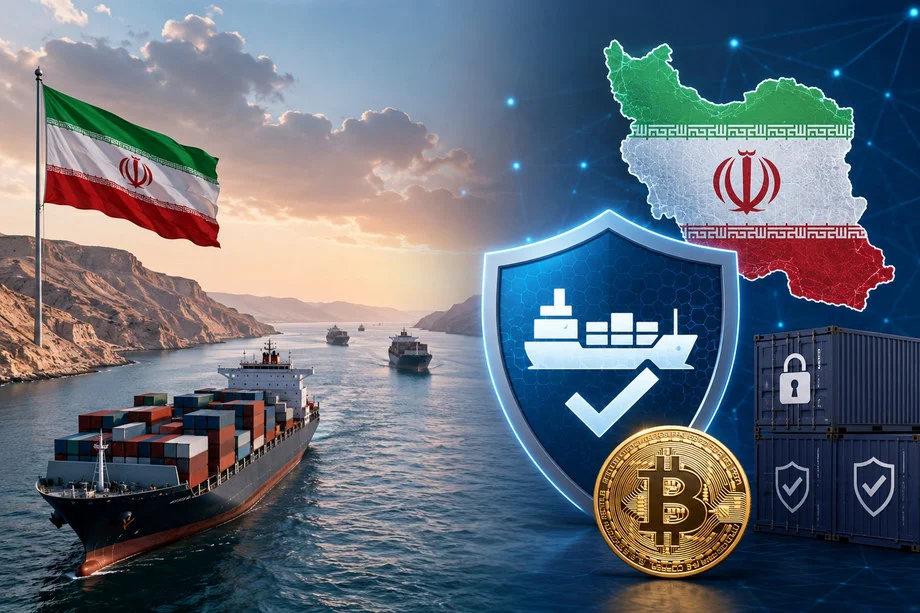
In a significant move that blends geopolitics, maritime security, and cryptocurrency adoption, Iran has rolled out a new Bitcoin-backed insurance platform called Hormuz Safe
The service targets shipping companies and cargo owners navigating the critical Strait of Hormuz amid ongoing tensions and sanctions pressure.
- Hormuz Safe offers cryptographically verifiable digital insurance policies settled in Bitcoin.
- Officials project potential annual revenue exceeding $10 billion.
- Service coincides with the launch of the Persian Gulf Strait Authority (PGSA).
- Coverage focuses on commercial risks while excluding direct war damage.
Background and Launch Details
According to reports from Iranian state-affiliated media, the Ministry of Economy and Financial Affairs has introduced Hormuz Safe as a fast, verifiable digital insurance solution. The platform provides marine insurance policies and certificates of financial responsibility for vessels transiting the Persian Gulf, Strait of Hormuz, and surrounding waterways.
Payments are settled in Bitcoin, enabling on-chain confirmation that activates coverage immediately upon receipt. Shippers receive digitally signed documentation, bypassing traditional banking channels heavily restricted by international sanctions.
Strategic Context Amid Regional Tensions
The initiative comes as Iran seeks to formalize control and generate revenue from one of the world's most vital energy chokepoints. The Strait of Hormuz handles roughly 20% of global petroleum trade. Following recent conflicts and an uneasy ceasefire, Tehran has worked to establish mechanisms for managing traffic, including tolls reported as high as $2 million per vessel in some cases.
On the same day, Iran announced the Persian Gulf Strait Authority (PGSA) to oversee transit. Officials emphasized that only cooperating commercial vessels will benefit from the new framework, while parties linked to recent hostilities face restrictions.
| Aspect | Details |
|---|---|
| Platform Name | Hormuz Safe |
| Payment Method | Bitcoin (primary),other crypto options |
| Projected Revenue | Over $10 billion annually |
| Initial Coverage | Inspection, detention, confiscation risks |
| Exclusions | Direct war damage from strikes |
Sanctions Evasion and Crypto Adoption
Iran has increasingly turned to cryptocurrencies to circumvent U.S. and Western sanctions. This follows earlier incidents involving frozen stablecoin assets and reflects a broader strategy seen in other sanctioned economies. Bitcoin's permissionless nature and liquidity make it a practical tool for such transactions, though its price volatility remains a noted concern for potential users.
Foreign ship operators face complex decisions. While the service offers a potential route for continued operations, engagement carries risks of secondary sanctions. Traditional maritime insurers have also adjusted war-risk premiums significantly in response to regional instability.
Market and Geopolitical Implications
Analysts view this development as another step in the integration of digital assets into real-world trade corridors. Success of the platform could encourage further crypto use in maritime finance, particularly in challenging geopolitical environments.
However, questions remain about adoption levels, technical implementation, and international legal challenges under frameworks like the UN Convention on the Law of the Sea. The U.S. has maintained pressure, including threats and alternative reinsurance proposals to support shipping in the region.

Disclaimer
This article was generated by AI using information from multiple industry sources. It has not been reviewed or verified by a human editor and may contain inaccuracies, omissions, or misinformation. Readers are encouraged to independently verify any information before making decisions based on its content.Tired of the noise?
Let the bots trade for you.
Trade 24/7, without emotion, with data-driven strategies.
Associated articles

Iran Advances Bitcoin-Linked Insurance Plan for Hormuz Strait Shipping

US Treasury Sanctions Iranian Crypto Exchange BitBank Over Bitcoin Transfers to IRGC

Iran Threatens Strait of Hormuz Closure as Ceasefire Tensions Flare

Bitcoin Holds Near $78,000 as U.S.-Iran Escalation Drives Oil Higher

Trump Cancels Iran Strikes as Markets Surge $1.2 Trillion on Near-Deal Breakthrough
Latest articles
Revolut Services Disrupted by Google Cloud Power Event in London
Mt. Gox Trustee Extends Creditor Repayment Deadline to October 2027

JPMorgan Forecasts 10% Annual Bitcoin Returns, Surpassing Stocks and Gold Over Next Decade

Bitget Plans Acquisition of Licensed Thai Crypto Exchange to Enter Local Market