Newsroom
Iran Advances Bitcoin-Linked Insurance Plan for Hormuz Strait Shipping
18 May, 2026 / News / AI / Tags: insurance, shipping, hormuz, strait, iran

Tehran explores formal insurance framework with potential crypto settlements as shipping disruptions raise oil price risks and market volatility concerns
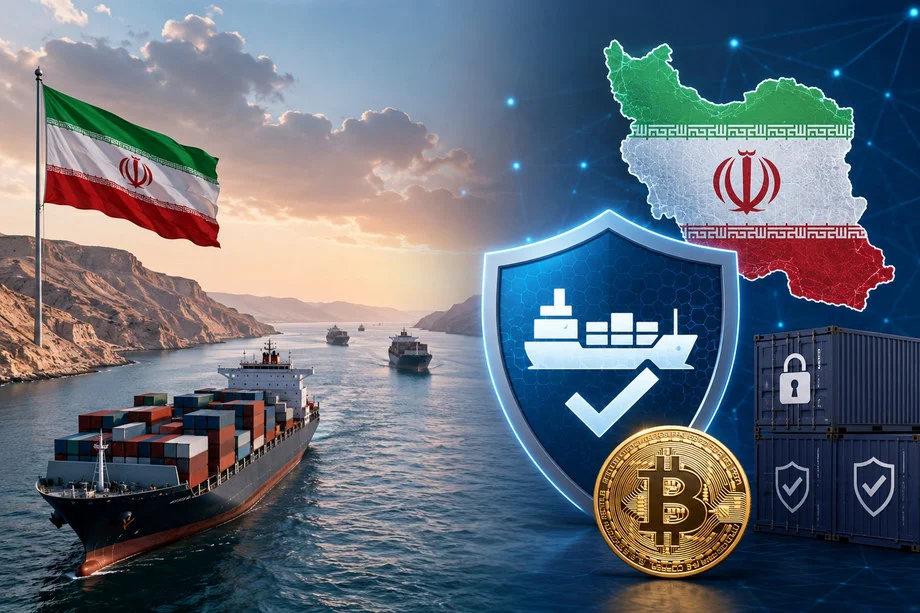
Iran is moving forward with a new insurance-based system to manage commercial shipping through the Strait of Hormuz, one of the world's most critical energy routes. Reports indicate the plan includes digital payment options, with speculation centering on Bitcoin and other cryptocurrencies as settlement methods amid heavy international sanctions.
According to state-linked sources, Iran's Ministry of Economic Affairs has outlined a proposal that would require vessels to obtain insurance coverage and financial responsibility certificates for safe passage. The system is projected to generate substantial revenue, with estimates exceeding $10 billion annually if fully implemented.
Hormuz Safe Platform Emerges
A platform referred to as "Hormuz Safe" has appeared in discussions, advertising secure digital insurance for maritime cargo in the region. While official confirmation remains limited, the initiative addresses soaring war-risk insurance premiums that have jumped dramatically — from under 1% to as high as 10% of vessel value for single transits.
Shipping traffic through the strait has fallen sharply, with some tracking data showing drops of up to 95% in daily transits due to heightened risks following recent regional conflicts.
- Strait handles ~20% of global oil and gas shipments
- Traditional insurance channels blocked by sanctions
- US authorities recently froze hundreds of millions in related stablecoins
Crypto Payments and Sanctions Workarounds
Iran has faced long-standing restrictions on conventional banking, pushing exploration of alternative payment rails. Bitcoin's decentralized nature makes it attractive for entities seeking to avoid freezes or tracing, unlike centralized stablecoins that have seen significant enforcement actions. US officials froze approximately $344 million in USDT linked to Iranian entities in recent weeks.
Iranian authorities have denied active collection of cryptocurrency tolls, labeling some reports inaccurate. However, shipping operators have reported receiving suspicious messages demanding Bitcoin or USDT for "clearance," which risk advisory groups attribute to scammers exploiting the uncertainty.
Earlier discussions reportedly included potential fees around $1 per barrel for certain tankers, with instructions for rapid settlement to minimize exposure. Any formal adoption of crypto in this corridor would likely draw regulatory scrutiny from bodies monitoring sanctioned transactions.
Market Implications
The developments add fresh layers of risk to global energy markets and, by extension, crypto assets. Higher oil prices from disrupted shipping typically fuel inflation concerns, strengthen the dollar, and pressure risk-sensitive investments including Bitcoin and altcoins.
| Factor | Potential Impact |
|---|---|
| Oil Supply Disruption | Elevated prices, inflation pressure |
| Crypto Settlement Use | Increased regulatory focus on exchanges |
| Geopolitical Tension | Risk-off sentiment across assets |
Analysts note that while Bitcoin sometimes functions as a hedge during macro uncertainty, immediate geopolitical shocks often see correlated selling with equities and other risk assets. Altcoins remain particularly vulnerable to leverage unwinds in such environments.
Iranian officials have emphasized that the mechanism would primarily serve cooperating commercial vessels, with restrictions possible for others. A competing US-backed reinsurance proposal worth around $40 billion has also surfaced as nations seek to stabilize energy flows.
Broader Picture
The situation underscores the growing intersection of traditional energy geopolitics and digital assets. As sanctions limit access to legacy finance, sanctioned states continue testing cryptocurrency channels for trade and payments. Observers will monitor blockchain analytics for any signals of adoption, as well as responses from compliance teams at major platforms.
While the full details of implementation remain under development, the proposal highlights both the challenges and opportunities in securing vital maritime routes during periods of elevated tension. Shipping firms face difficult choices between elevated traditional insurance costs, new proposed frameworks, and the persistent threat of disruption.
Disclaimer
This article was generated by AI using information from multiple industry sources. It has not been reviewed or verified by a human editor and may contain inaccuracies, omissions, or misinformation. Readers are encouraged to independently verify any information before making decisions based on its content.Tired of the noise?
Let the bots trade for you.
Trade 24/7, without emotion, with data-driven strategies.
Associated articles

Iran Delivers Response to US Peace Proposal as Hormuz Tensions Drive Crypto Volatility
Iran Launches Bitcoin-Backed 'Hormuz Safe' Insurance for Ships Transiting Strategic Strait

Trump Declares Iran Peace Deal Set for Sunday Signing

US Treasury Sanctions Iranian Crypto Exchange BitBank Over Bitcoin Transfers to IRGC

Bitcoin Holds Near $78,000 as U.S.-Iran Escalation Drives Oil Higher
Latest articles

SpaceX and Tesla Set Up Committees to Explore Merger That Would Combine Holdings of Over 30,000 Bitcoins
UK Banks Face Thousands of Complaints Over Crypto Transfer Restrictions
Ripple Backs SEC Proposed Crypto Asset Rules After $150 Million Legal Battle

Blockchain.com Introduces Options Trading on Seven Major Crypto Assets